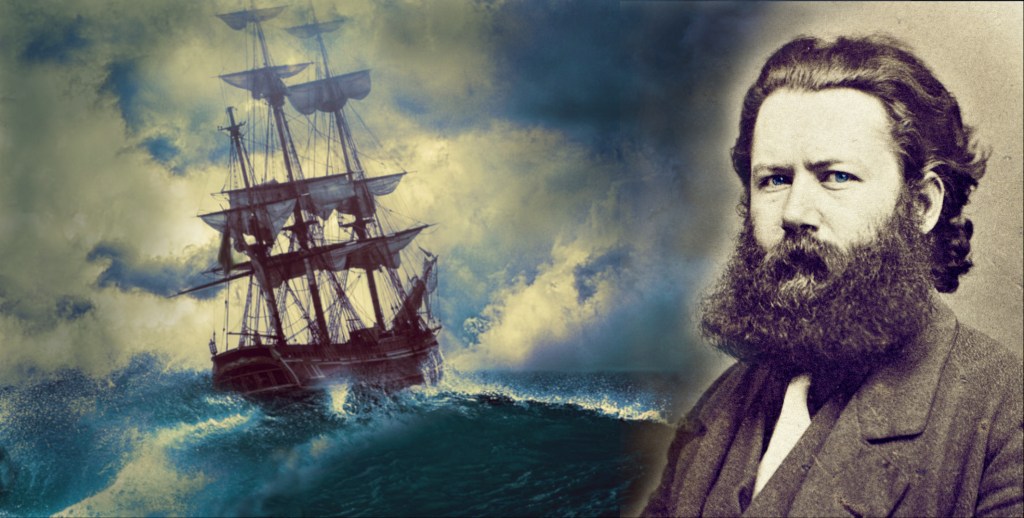
I unge Ibsens fotefar

Nest etter Shakespeare er han verdens mest fremførte dramatiker. Men la oss skru klokken tilbake og se hva som tente gnisten i ham …

22. november 1797

Det er mørkt og kaldt, og det herjer en voldsom storm fra sydøst. Den 32 år gamle skipsrederen og kapteinen Henrik Ibsen er på vei hjem fra London da han og mannskapet hans oppdager faren. Lyden av bølger som slår mot grunner og skjær. De forstår at de må snu, men det er ikke lett å trosse pålandsvinden og den sterke strømmen.

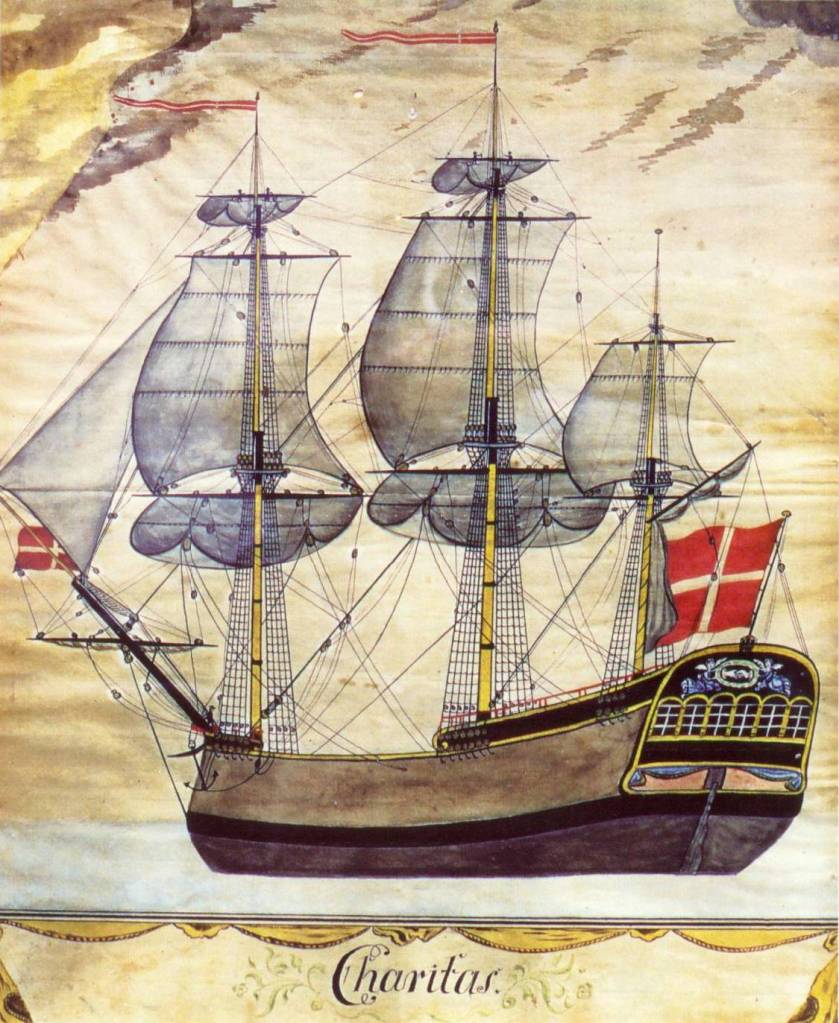
Om bord på «Caritas» kjemper de fortvilet idet skipet treffer land med et brak. Treverk splintres mot hard granitt. Mesanmastene ryker over bord. Deler av de øvre dekkene går også med idet bjelkene gir etter. Noen minutter senere legger det knuste vraket av «Caritas» seg omsider til ro på 30 meters dyp.

Denne natten drukner Henrik Ibsen og hele mannskapet hans på 15 mann i det iskalde vannet utenfor Hesnesøya ved Grimstad. Og tragedien er et faktum.

Tiden går, men minnet består …
29. november 1843

Førtiseks år etter skipsforliset legger båten «Lykkens Prøve» til ved bryggen i sørlandsbyen Grimstad. Nå stiger 15 år gamle Henrik Ibsen i land, klar til å stå på egne ben, noen få kilometer fra der hvor hans farfar forsvant i havet.
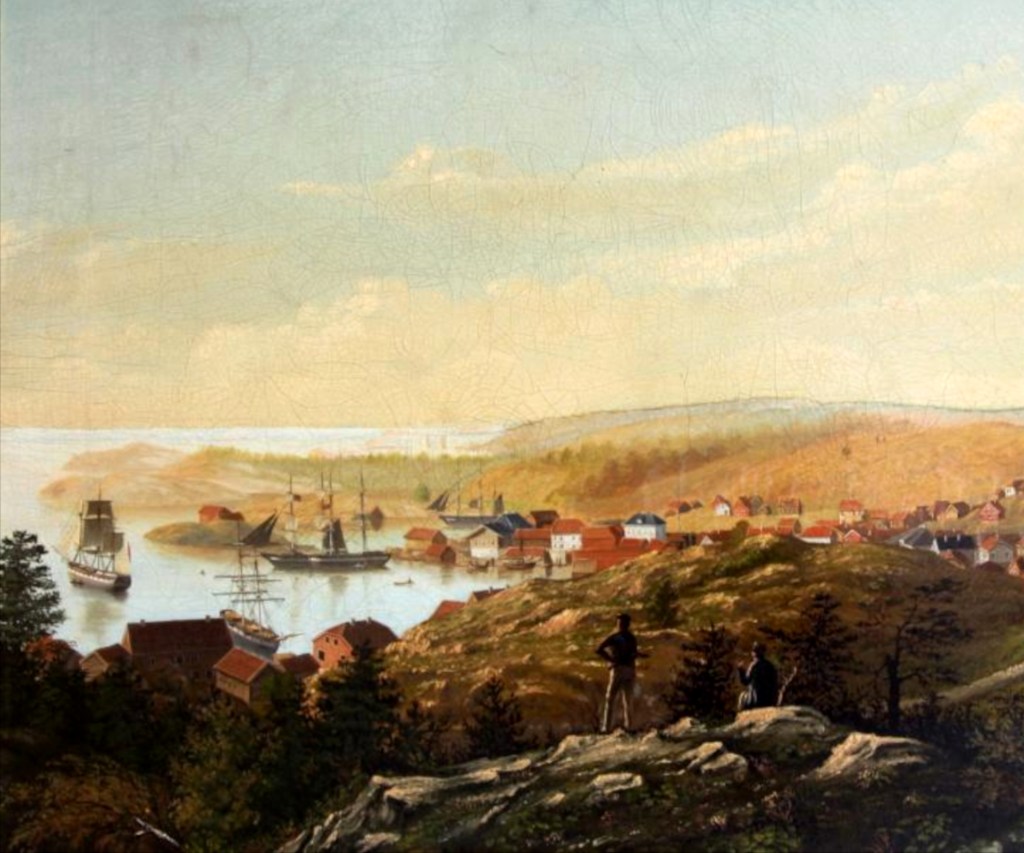
Utsnitt av maleri, Lauritz Hansen(Grimstad 1860)

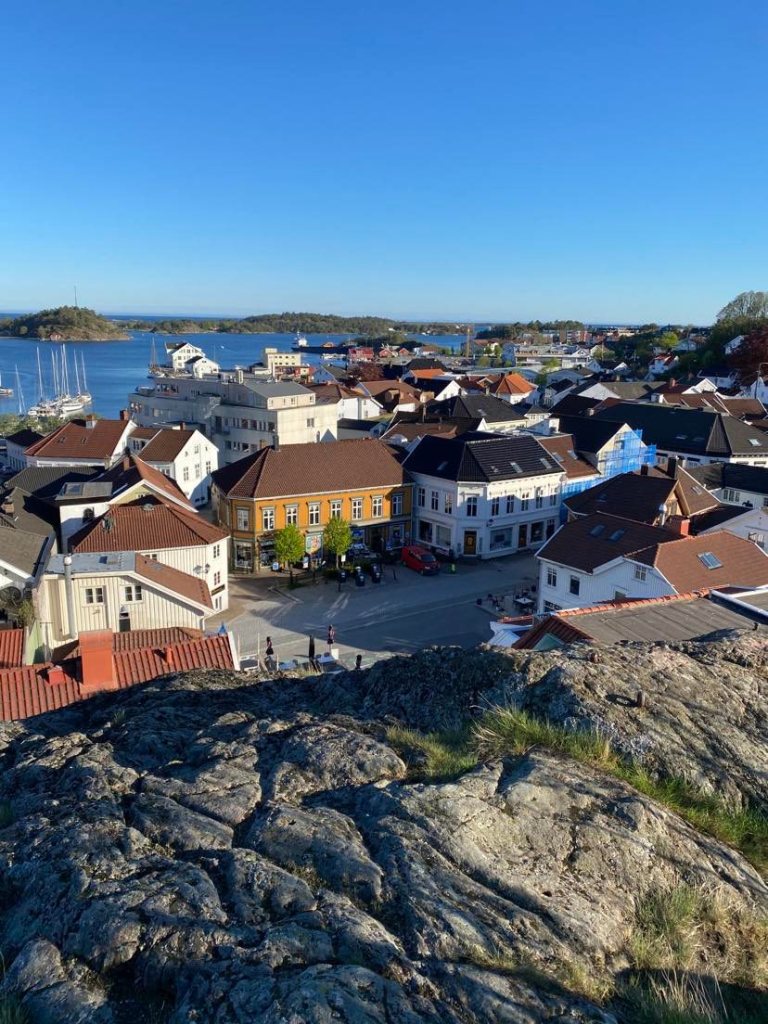
I 1843 er Grimstad en liten by på om lag 800 innbyggere, der de fleste familiene bor i egne hus med en liten hage. Ellers har byen tollstasjon, postkontor, sparebank, sorenskriver, distriktslege, jordmor og apotek. Ingen kirke annet enn Fjære kirke. Heller ikke avis eller bibliotek. Kun et privat leseselskap der medlemmene kan låne bøker.
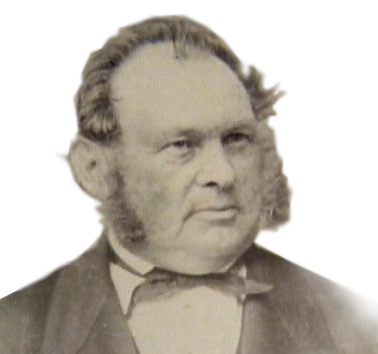
Apoteker Jens Arup Reimann har nettopp startet forretning i Storgaten. Der begynner ynglingen Henrik Ibsen som apotekerlærling, og apotekeren slipper ham bokstavelig talt inn i familiens hjem og behandler ham nærmest som sin egen sønn.

Reimanngården. Foto: Wikipedia

I første etasje er det to værelser, bestående av apotekerlokalet og familien Reimanns stue. Apotekerlokalet fungerer også som postkontor.

I andre etasje finnes det tre sammenhengende soveværelser. Henrik får ligge i det midterste sammen med de tre eldste guttene. I det ytterste sover ekteparet Reimanns med de yngste barna, og i det innerste de to tjenestejentene.

Opprinnelig hadde Henrik vokst opp i et av hjembyen Skiens overklassehjem, med god plass til både tjenestefolk og gjester. Men i de siste årene hadde familiens boliger krympet i takt med den krympende formuen. Nå er de fleste eiendommene solgt, og farens advokatvirksomhet står uten oppdrag. For akkurat nå er det mange i overklassen som sliter med økonomien, og fremtidsutsiktene ser dermed dystre ut.

At Svaneapoteket i Skien overlevde det meste, hadde Henrik og kameraten hans sett.

Å gå i apotekerlære syntes derfor å være et trygt valg.

Hos familien Reimann lærer Henrik alt fra det grunnleggende om planters medisinske egenskaper til kunsten å preparere heftplaster, samt litt dokterlatin. Men det er ikke lett å studere til artium med en skokk unger rundt seg. Ofte blir Henrik sittende oppe til langt på natt, for å lese i fred.

Men det er ikke lett når døren til tjenestejentenes værelse står åpen heller. Etter tre år mottar Henrik et brev fra byfogden i Grimstad. Der står det at tjenestejenten Else Sophie oppgir ham som barnefar. Fogden vil vite om dette stemmer.

Henrik vedkjenner seg farskapet, men sår samtidig tvil: I det aktuelle tidsrommet har tjenestejenten også hatt omgang med andre mannspersoner, hevder han. Likevel våger han ikke bestemt å frasi seg det anmeldte farskapet, fordi han dessverre har hatt legemlig omgang med henne. Dette skyldes hennes fristende oppførsel og det at deres tjeneste hos apotekeren ga dem anledning …  

«… uagtet Pigens Samqvem ogsaa med andre Mandspersoner paa den vedkommende Tid, tør jeg ikke bestemt fralægge mig bemeldte Paternitet, da jeg desværre med hende har pleiet legemlig Omgang, hvortil hendes fristende Adfærd og samtidige Tjeneste med mig hos Apotheker Reimann i lige Grad gav Anledning … »

Nå skrur vi tiden frem til det 21 århundre
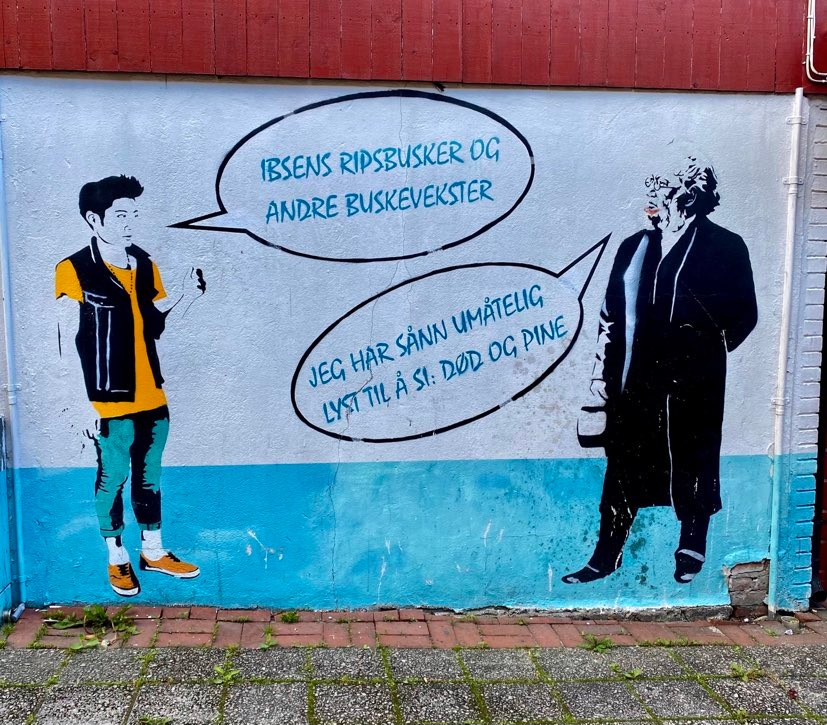
Gatekunst i Grimstad. Foto: Tom Thowsen 2021

Mai 2021

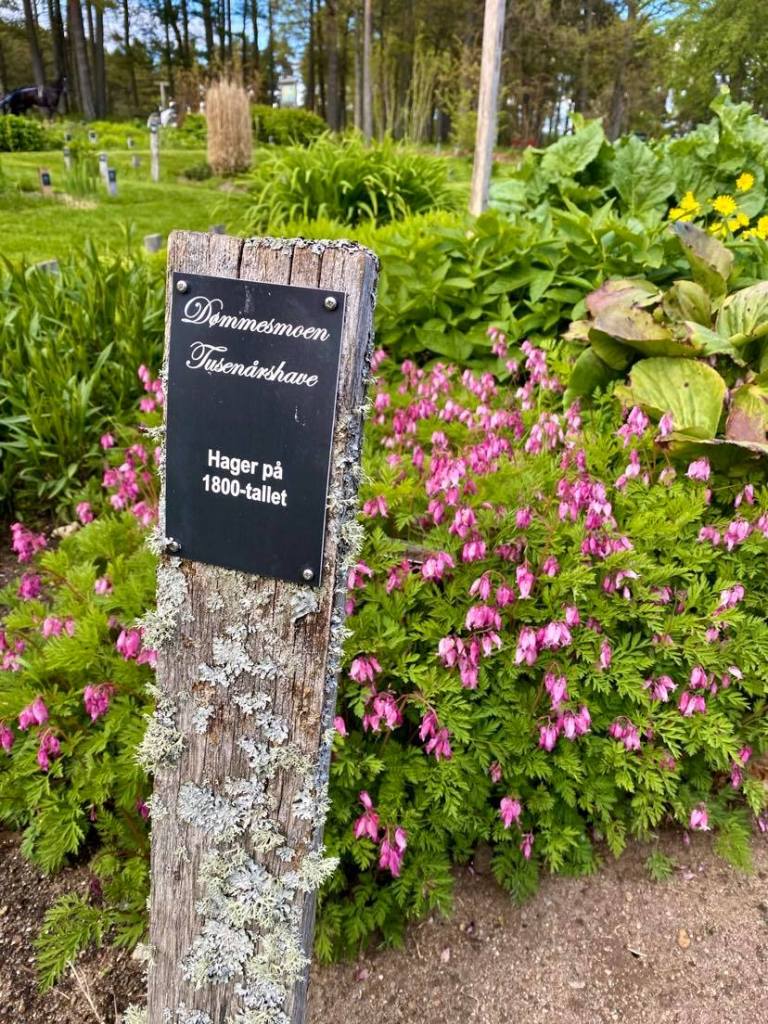
Da sommeren var i emning og naturen sto i full blomst, dro jeg til Grimstad for å vandre i unge Ibsens fotefar. Dette var i forbindelse med min nye roman, hvor jeg følte et sterkt behov for å komme tettere innpå vår store dikterhøvding og hans inspirasjonskilder.

Åh, du veid, Henrik var jo ikke så god å stagge

Men jeg oppdaget fort at Ibsens ettermæle i Grimstad, selv den dag i dag, er preget av farskapssaken der tjenestejenten Else Sophie Birkedalen i 1846 fødte et barn som hun ga navnet Hans Jacob Henriksen.

Henrik, som var ti år yngre enn Else Sophie, vedkjente seg farskapet, men han ville ikke ha noe med sønnen å gjøre, bortsett fra at han betalte lovpålagte bidrag frem til gutten var 14 år og kunne forsørge seg selv.

Samtidig skal det heller ikke stikkes under en stol at Henrik Ibsen, tidlig i sin karriere, gjentatte ganger ble truet med tvangsarbeid for ubetalte barnebidrag. Så det er rimelig å tro at disse vanskelighetene satte spor i det senere forfatterskapet.

I det hele tatt må tenåringen Ibsen ha opplevd nok av familiedramaer å hente inspirasjon fra. Ikke minst hjemmefra med tvangsauksjoner og økonomisk ruin, som sikkert medførte en del krangel og bekymringer.

Men også apotekerfamilien Reimanns hadde sitt å slite med, og det kan ikke ha vært uproblematisk å leve så tett på dem som det Henrik gjorde.

Etter tre år ble apoteket solgt til Henriks fire år eldre kollega Lars Nielsen og flyttet til en større bygård. Der fikk han beholde sin stilling og kunne puste lettet ut. Ja, ikke bare det, nå var han blitt uteksaminert apotekermedhjelper, samt at han fikk sitt et eget værelse, større frihet og høyere lønn.

Da bodde Else Sophie hjemme hos sine foreldre. Det å få barn utenfor ekteskap ødela hennes liv fullstendig. Hun så aldri Ibsen igjen, og døde mange år senere som et «fattiglem», i en alder av 74 år. Ifølge Robert Fergusons biografi om Henrik Ibsen 1996 s. 394, skal en eldre kone som prøvde å hjelpe Else Sophie ha spurt henne om hvordan «ulykken» skjedde, hvorpå svaret ble: «Åh, du veid, Henrik var jo ikke så god å stagge».

Lars Nielsens apotek – Ibsen-museet. Foto: Tom Thowsen 2021

Å besøke Ibsenmuseet er selvfølgelig et must når man er i Grimstad, og her fikk min familie og jeg en fantastisk omvisning av museets guide. Og det var flott å se at så mye av interiøret er bevart i Lars Nielsens apotek, i det apoteket hvor Henrik vokste som kunstner. Der han kom med i leseselskapet og ble mer utadvendt og fikk intellektuelle venner som oppmuntret ham til å skrive.

 «Catilinabordet». Foto: Tom Thowsen 2021

Ved dette bordet skrev Henrik sitt første verk «Catilina». Dette verket handler om en romersk statsmann som ønsket gjenreise Romas storhet, men hans politiske ambisjoner ble blant annet hindret av erotiske feiltrinn som han hadde begått. Kanskje ikke å undres at Henrik følte en viss sympati med denne romeren og klarte å leve seg inn i hans rolle.

Dessuten var Henrik preget av de revolusjonære aktivitetene i 1848. De brøt først ut på Sicilia, og spredte seg raskt til Frankrike og videre gjennom Europa. Dette var en voldelig reaksjon på de store forandringene kontinentet hadde gjennomgått de siste tiårene. Den raskt voksende borgerklassen ønsket å øke sin representasjon i sine nasjoners styresett.

Henrik hørte sikkert at urolighetene hadde nådd København, Stockholm og Christiania. Noen omtalte dette som pøbelopptøyer uten noe ideologisk innhold av betydning eller noen politisk ledelse. Men i stykket fremstilles Catilina som en karismatisk leder som utfordrer korrupsjonen i den verden han lever i.

Også Henriks omgangsvenner Ole Schuleruds, Gunder Holst, Jacob Holst og Christopher Due lot seg begeistre av Catilina mens de drakk punsj og diskuterte politikk med ham.

To år senere ble Catilina utgitt i Christiania under pseudonymet Brynjolf Bjarme. Siden ingen forlag ville gi ut boken, ble utgivelsen bekostet av Ole Schulerud. Han brukte en liten arv til formålet. Likevel ble salget dårlig, og mye av opplaget endte som makulatur.

Apotekets kunder påvirket Henrik
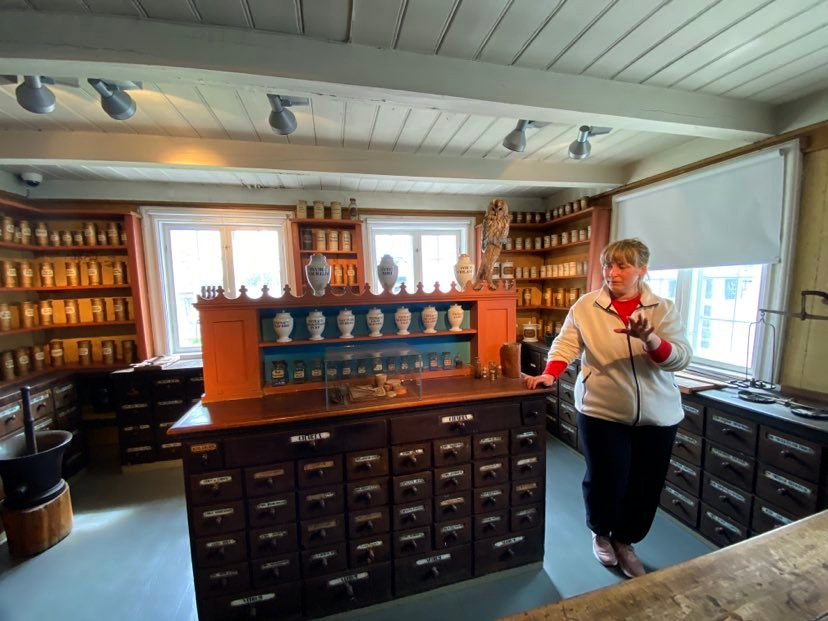
Apoteket. Foto: Tom Thowsen 2021

Ved denne skranken kom Henrik ofte i snakk med kundene, noe som satte skapergleden i sving hos den unge kunstneren. Både i form av dikt og tegninger. Blant annet hadde han utstilt et oljemaleri, et portrett som han malte på papp «af den gamle søulk». Alle mente at det lignet godt. Det sto bestandig på reolen. Det forestiller losen Svend Hanssen Haaø fra Håhøya.

Utsnitt av Henrik Ibsens maleri «Lodsen ved varden»

Det sies at Henrik hadde stor interesse for losene og fiskerne. Det var tydelig når det gjaldt Svend Hansen Haaø. For denne flinke og djerve losen, med sitt værbitte utseende, begeistret ham med sine fortellinger om krigsbegivenheter og sjøvesenet.

Det skal være fra ham Henrik fikk ideen om å skrive sitt makeløse dikt «Terje Vigen», som har gjort byen Grimstad og omegn kjent.

Terje Vigen er et episk dikt, skrevet av Henrik Ibsen i 1861. Det ble første gang publisert i heftet Nytaarsgave for Illustreret Nyhedsblads Abonnenter for 1862, og ble senere gjenutgitt i hans eneste diktsamling Digte fra 1871. «Terje Vigen» ble i 1890 utgitt separat med illustrasjoner av Christian Krohg.

Diktet bygger på fortellinger fra sørlandskysten under Napoleonskrigene. På denne tiden var Danmark-Norge i krig med blant andre England, som hadde innført handelsblokade og dermed kuttet all kontakt mellom Norge og Danmark. Dette medførte hungersnød i Norge. Diktets hovedperson ble tatt av et britisk marinefartøy og sendt i krigsfangenskap i Storbritannia, den såkalte «prisonen»

Diktets åpningsstrofe:

 «Der bode en underlig gråsprængt en 
på den yderste nøgne ø …»
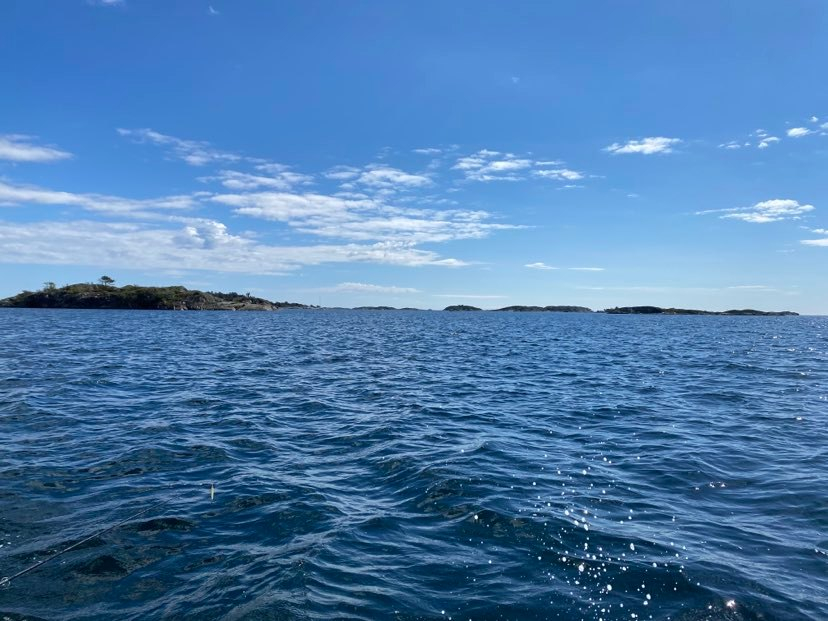
Skjærgården i Grimstad. Foto: Tom Thowsen 2021

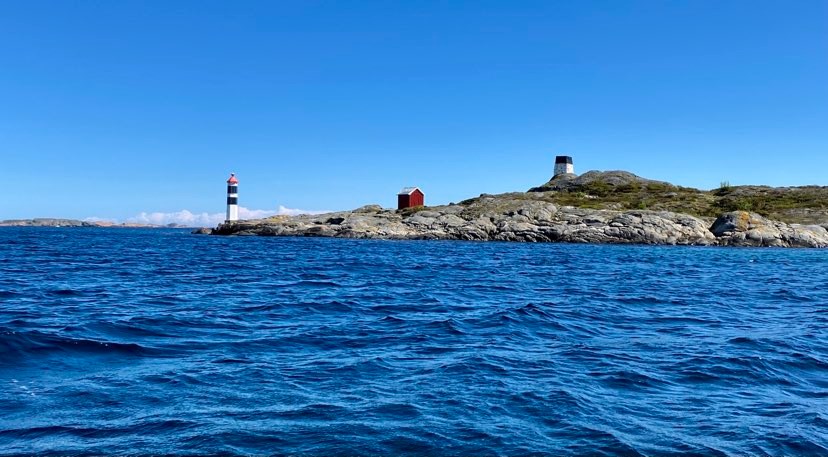
Å besøke Håøya sto høyt på ønskelisten min, sammen med Hesnesøya, øya der Henriks bestefar druknet. Både Hesnesøya og naboøya Kvaløya kunne ha vært «den yderste nøgne ø» der Terje bodde. Dette spørsmålet genererer en endeløs debatt blant lokalbefolkningen.

Derfor ønsket vi å se dem alle. Følgelig var vi innom Grimstad Turistkontor og leide en 15 fots Pioneer-jolle med åtte hk påhengsmotor og redningsvester. Veldig praktisk og godt tilrettelagt.

Så satte vi kursen for hvor losen Svend Hanssen Haaø bodde. Og Terje Vigen, om han noen gang var et genuint levende menneske.

En lun vik på Håøya. Foto: Tom Thowsen 2021

Selve overfarten gikk helt uten dramatikk, og vi fant oss en lun vik hvor vi gjorde strandhugg ved det gamle los-samfunnet.

Vår jolle i den lune viken. Foto: Tom Thowsen 2021

Heldigvis var det ingen skilt med privat brygge å se der hvor vi fortøyde båten. Det var åpent og trivelig å ferdes der ute, med unntak av naturens egne stengsler, i form av tett villnis og kløfter i berget med rullesten i bunnen.
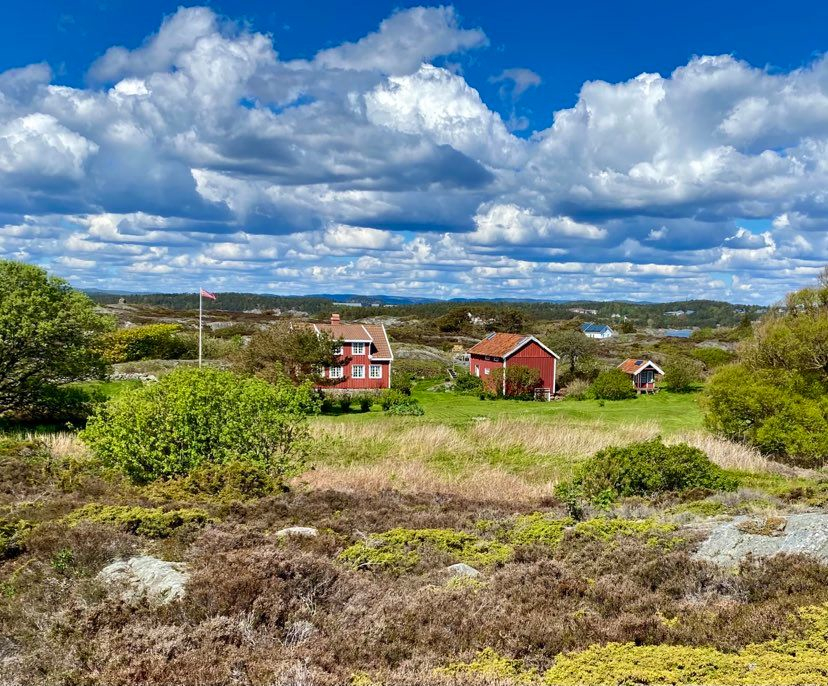
Losen Svend Hanssen Haaø sin gård. Foto: Tom Thowsen 2021

Hit ut kom også Henrik for å høre losens historier fra gamle dager. Mange av disse var selvopplevde. Under Napoleonskrigene, med britenes blokade av landet, hadde Svend Hanssen Haaø tatt seg over til Danmark flere ganger for å kjøpe korn og andre matvarer.

Men i våre dager kan dette virke ubegripelig. I havet er det fullt av fisk og østers.

Terje Vigen vers 10:
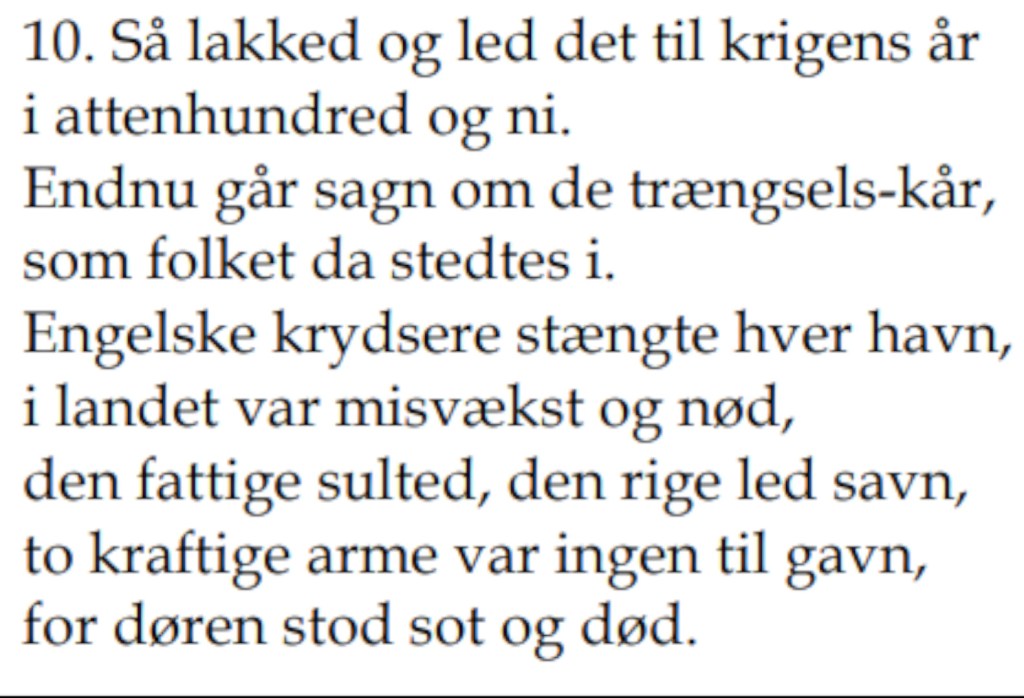
Våren 1808 kom Danmark-Norge også i krig med Sverige. Sommeren ble våt og kald, og det ble misvekst i landet. I tillegg slo sildefisket feil. Allerede i oktober gikk de militære matlagrene tomme. Folk ble syke av forråtnelsesfeber, og mange døde av den. Fra begynnelsen av januar 1809 til midten av februar, lå det tykk is i alle havner øst for Lindesnes.

Så ja, Henrik Ibsen overdrev ikke.

Men nå var Håøya kledd i sommerskrud, og alt var bare fryd og gammen.

Sejl og mast lod han hjemme stå …

Men hvorfor rodde folk til Danmark når de kunne seile?

Terje Vigen vers 12:

Mers = utkikksplatformer i mastetoppen

Egentlig ligger svaret i selve teksten. Det gjaldt å gjøre seg så liten og ubetydelig som mulig. En seilbåt er lettere å oppdage enn en båt uten seil. Den engelske marines skip hadde personell i mastetoppen som fulgte nøye med, og kunne dermed oppdage et lite seil på lang avstand.
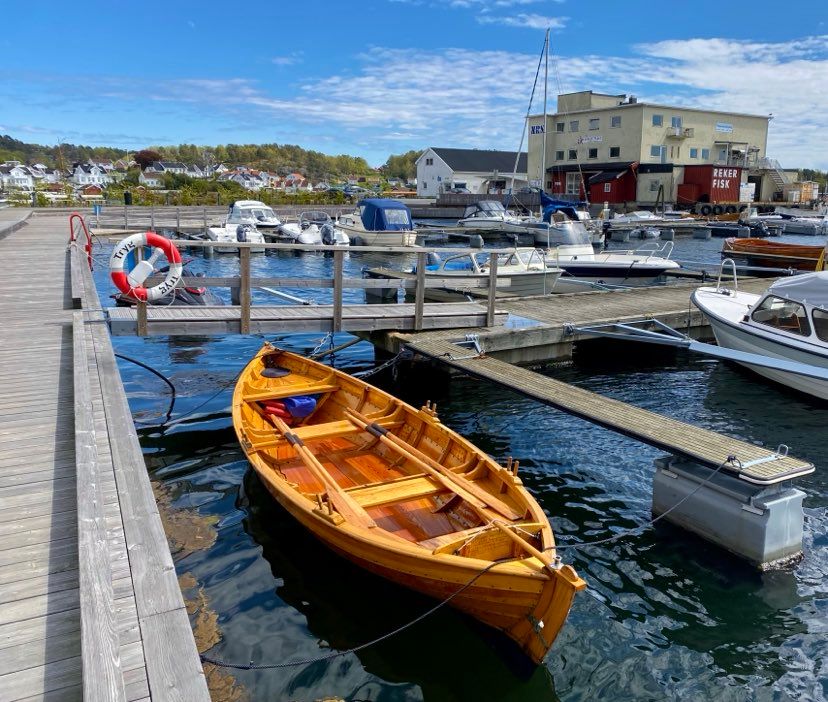
En sjekte i Grimstad havn. Foto: Tom Thowsen 2021

I tillegg dro «Terje Vigen» og losen Svend Hanssen Haaø ut på havet i dårlig vær. For å ro over til Danmark. Gjerne om vinteren når de fleste lå i vinteropplag. Ofte i åpne båter, som vist på bildet.

Vi turte ikke å gå langt ut fra land i Pioneer-jolla som vi leide. Bølgene gikk så grove at vi måtte gi opp planen om å besøke de andre øyene; Hesnesøya og Kvaløya. Vi måtte snu tilbake til den trygge havnen i Grimstad. Jolla vår var 15 fot. «Terje Vigens» båt var muligens 12. Sånt står det respekt av!

Når det er sagt, så mener jeg bestemt at Henrik Ibsens dikt om Terje Vigen fortjener å leve videre i vår folkesjel. Og det å gå i unge Ibsens fotefar, i sørlandsperlen Grimstad, ble såpass inspirerende at jeg fikk skrevet «Stormens hjerte»; min roman om Terje Vigen.

PS. Se på den underlige skyen bak meg. Det føltes nesten som Ibsen var til stede. Men da må man tro på «Gjengangere», og det er en helt annen historie …

Takk for meg.

Nothing to find

That mound is only mother nature’s work, the experts said for many years. But one day in 1944, Erling Johansen is on his way from Fredrikstad to the neighbouring town, Halden. He works as a plumber but has begun to take an interest in traces of earlier times. The train slows down, and Johansen looks out the window. When he passes the field named Viksletta, he suddenly sees a high and exciting mound of earth.

Shortly after, Erling visits the farmer who owns the field to investigate this case.

“Don`t you know?” the farmer said, surprised. “That mound is Jellhaugen, where King Jell rests in his ship!” This local legend has been known for a while amongst the farmers.

This event might very well have been the spark that ignited Johansen’s interest in archaeology. In record time, he learns the subject of archaeology and gets a comet career in the professional community.

But the years go by, and only in 1968 does he finally start the excavations at Jellhaugen. Inside, he finds traces of a simple tomb, and later carbon dating shows that the tomb is from between 426-598 AD – that is, before the Viking Age.

Johansen understands that he is on the trail of something big: Jellhaugen bears resemblance with Oseberghaugen and Tuneskiphaugen. The same technique as with these two ship burial mounds.

On the other hand, the investigations showed that there have been grave robbers on the site in the ninth century, and Johansen must settle down with the fact that any ship remains must have been dug up and eroded by the ravages of time.

Erling Johansen (1919 – 2000)

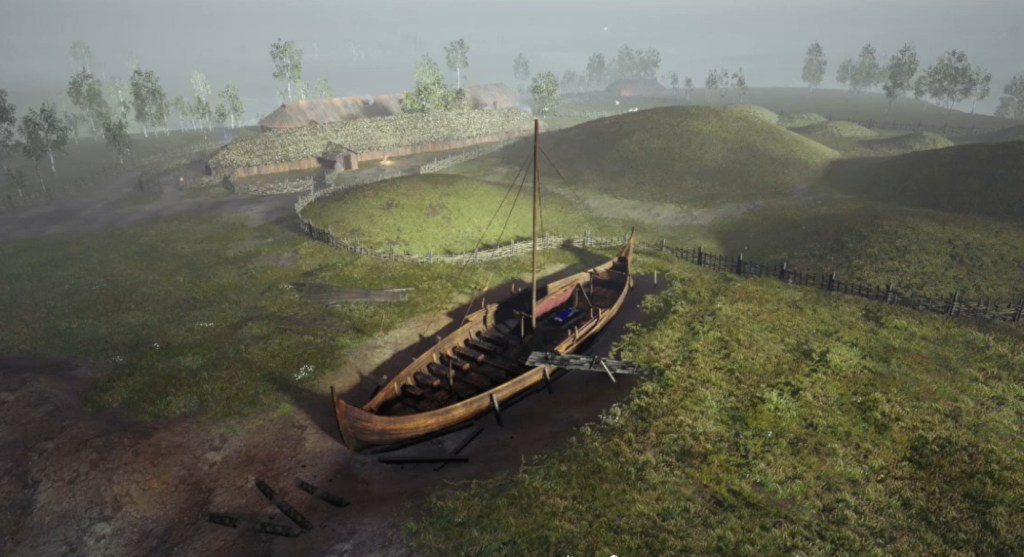
But what was initially presumed to be an art of nature has turned out to be Norway`s second-largest grave mound. An oval mound. Eighty meters in diameter and 13 meters high. Unfortunately, the lucky plumber did not live long enough to see the famous Gjellestad ship, found with ground-penetrating radar in 2018, a few meters away from this mound. Not only that, a whole community and a large grave field lies there too. Quite cool. From nothing to find to this. That is science.

Join the intriguing journey to Gjellestad and experience what the archaeologists discovered. Click the green button below.

What if the KRS is a pre-Columbian artefact?

Collage design: Tom Thowsen. Photo: Gioele Fazzeri (Pixabay)

Imagine you were on a mission, deep into a foreign land, where you have realized that you would not survive. Then you probably leave a message behind. But if you had foreseen that people would call your message a hoax … based on your grammatical errors … you likely got horrified …

Here is a take on the Kensington Runestone, the biggest historical mystery in North America.

Let us go back to 1905

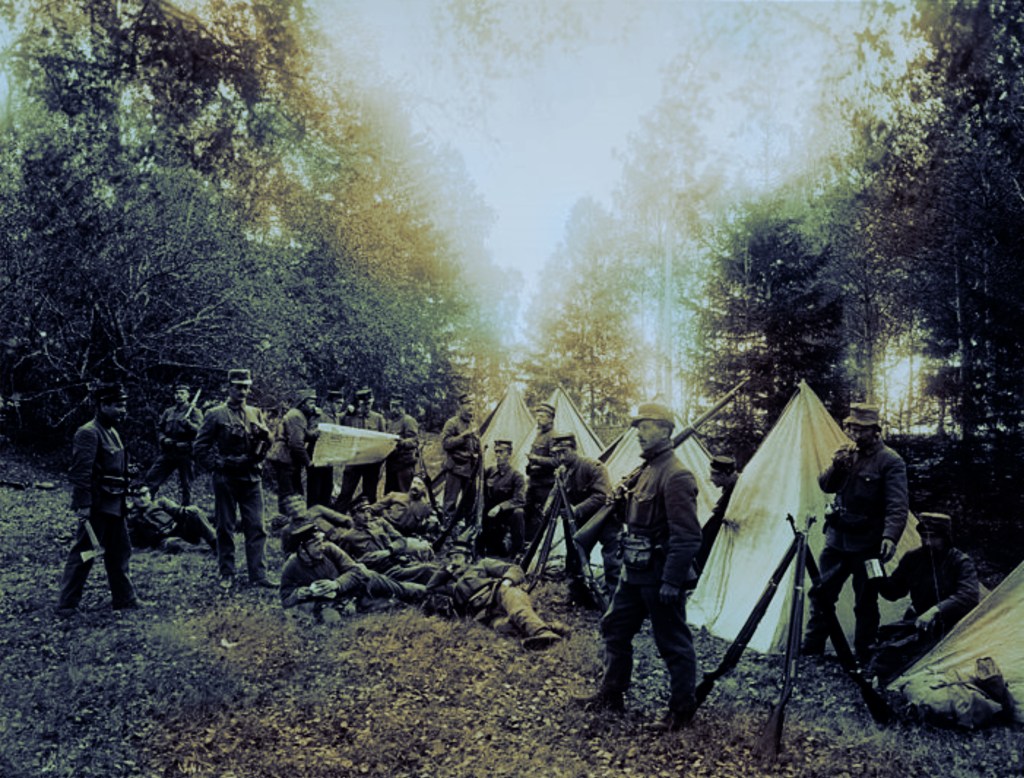
Norwegian soldiers on border guard at the national border with Sweden 1905.
Photo: Narve Skarpmoen. File source: wikimedia.

In 1905 Norway and Sweden stood on the brinks of war. If it breaks out, it will be the third war since the beginning of the 1800s. The first 1808-1809 ended in a stalemate. Norway lost the second. But this time, the Norwegians are much more prepared. Stronger fortresses, better weapons, and very motivated soldiers. This will not be like the short and humiliating war of 1814, called Kattekrigen (Cat war), because the Swedes were hunting the Norwegians like they were mice. Now the Norwegians will break free from a union with roots back in medieval times. This longing for freedom had gradually grown in force and intensity on every level. Not only for the military that had been strengthened a lot — especially since the late 1880s — but also for the elite of Norwegian art, culture, and history.

The big boost

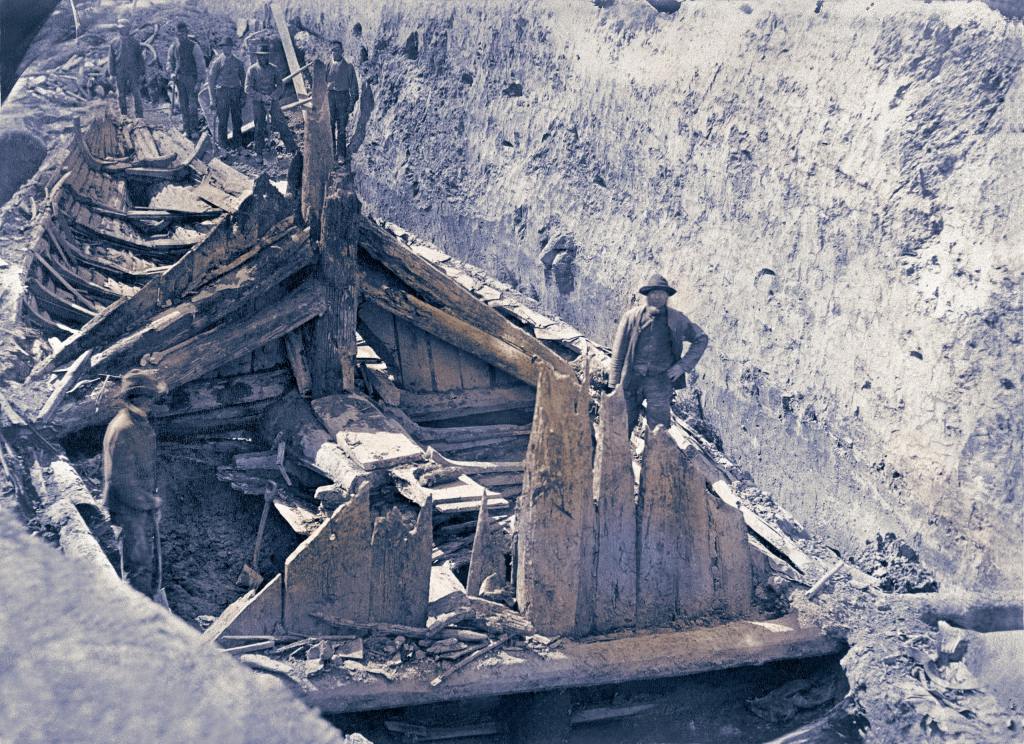
Photo: Cultural History Museum in Oslo

To find a Viking ship is something remarkable. Not an everyday occurrence, to put it mildly. So, when they found a longship in the “Gokstadhaugen” burial mound in 1879, it boosted Norwegian pride. Norwegians had long been the little brother among the Scandinavian siblings, with hundreds of years without their own Norwegian king. Hence this Viking ship was a reminder of the good old days when Norway was a strong country. With war heroes and discoverers.

Leif Eiriksson discovers America, painting by Christian Krohg, 1893.
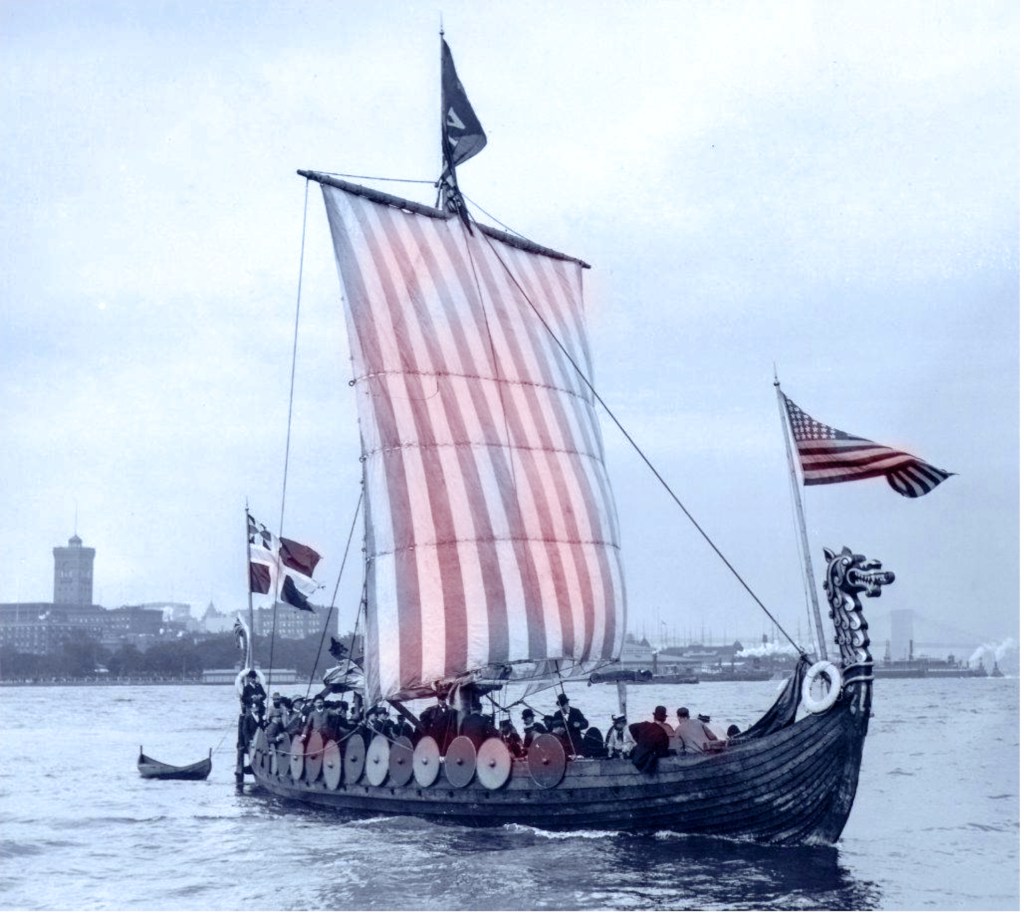
Editor of the Norwegian trade and shipping magazine, later director of shipping Magnus Andersen, sailed his reconstruction of Gokstad ship called «Viking» to Chicago in 1893. «Viking» is currently located in Geneva, Illinois, at Good Templar Park.

Note the flag in the stern. During the 1870s, the union became increasingly unpopular in Norway. Consequently, the union mark was seen as a sign not of equality, but a union forced upon the country against its will. Radicals made it their political goal to reintroduce the «pure» Norwegian flag as the first step toward the union’s dissolution. The parliamentary majority voted for removing the mark three times but was defeated by royal veto twice.

Finally, in 1898 (note this date), the third royal veto was overruled, and the union mark was removed from the national (merchant) and the state flag. It remained in the war flag (naval ensign), as this was under the king’s jurisdiction. However, parliament introduced a new state flag for government buildings, like the war flag, but without the union mark. The «pure» Norwegian flag was hoisted again in 1899.

So, when a Swedish immigrant unearthed a stone with runic letters in Minnesota in 1898, it did not get the same attention as the Gokstad Viking ship. Especially in Norway, since it talked about Swedes and Norwegians on an expedition in America in 1362 — 130 years before Columbus. The experts at the University of Oslo perceived the language form as “impossible, a very clumsy attempt at to construct an old language form without possessing the required knowledge. For runological, linguistic and historical reasons, the inscription cannot be genuine”.

Hm, of historical reasons too?

Intentionally or not, what if they were wrong? In the 14th century, there were no grammatical rules for the Scandinavian languages, which were also constantly changing. And most of the surviving documents were written in a solemn and formal language as well.

Quite frankly, I can imagine linguists 600 years into the future study written sources from the 21st century, what a nightmare that will be. Today we have two different languages: Bokmål and Nynorsk. Bokmål, literally «book tongue,» is an official written standard for the Norwegian language, alongside Nynorsk. Bokmål is the preferred written standard of Norwegian for 85% to 90% of the population in Norway. Unlike, for instance, the Italian language, there is no nationwide standard or agreement on the pronunciation of Bokmål. Plus, some even choose to write in their own dialect, which could be difficult to understand for those who do not speak this dialect—no wonder why many Norwegians struggle to write Norwegian perfectly.

Quotes from Professor Eyvind Fjeld Halvorsen: 
“The peculiarities of the language situation in Norway are the product of Norwegian and Nordic history. The languages of the three main Nordic countries, Denmark, Norway and Sweden, are so similar that the inhabitants basically understand each other and can use their own language when talking to people from the other countries. This is because the language evolved from a common Nordic tongue and that development has mainly followed the same course throughout central Scandinavia. One thousand years ago, when Nordic pioneers settled in Russia and Western Europe, and on the islands in the Atlantic Ocean from the Orkneys and Shetland islands to Greenland, the same common Nordic language was spoken throughout the entire region. The differences in dialects that existed then were insignificant, and were far smaller than the dialectical variations found today in each of the Nordic countries.


The languages underwent great change in the late Middle Ages. Most of the changes began in the country located the farthest south, Denmark, and spread north, like ocean waves. Norway lay farthest from Denmark, and Norwegian therefore retained the characteristics of the common Nordic language the longest.
 
The Christianization of the Nordic countries in 900-1100 brought with it written language. In Norway the national language was adopted as a written language before 1100, perhaps patterning itself after England in this respect, while Denmark and Sweden used Latin in public discourse in the first years following the coming of Christianity. Danish and Swedish were not brought into use as written languages until the 12- and 1300s, at a time when Denmark in particular had become removed from the common Nordic foundation”. 

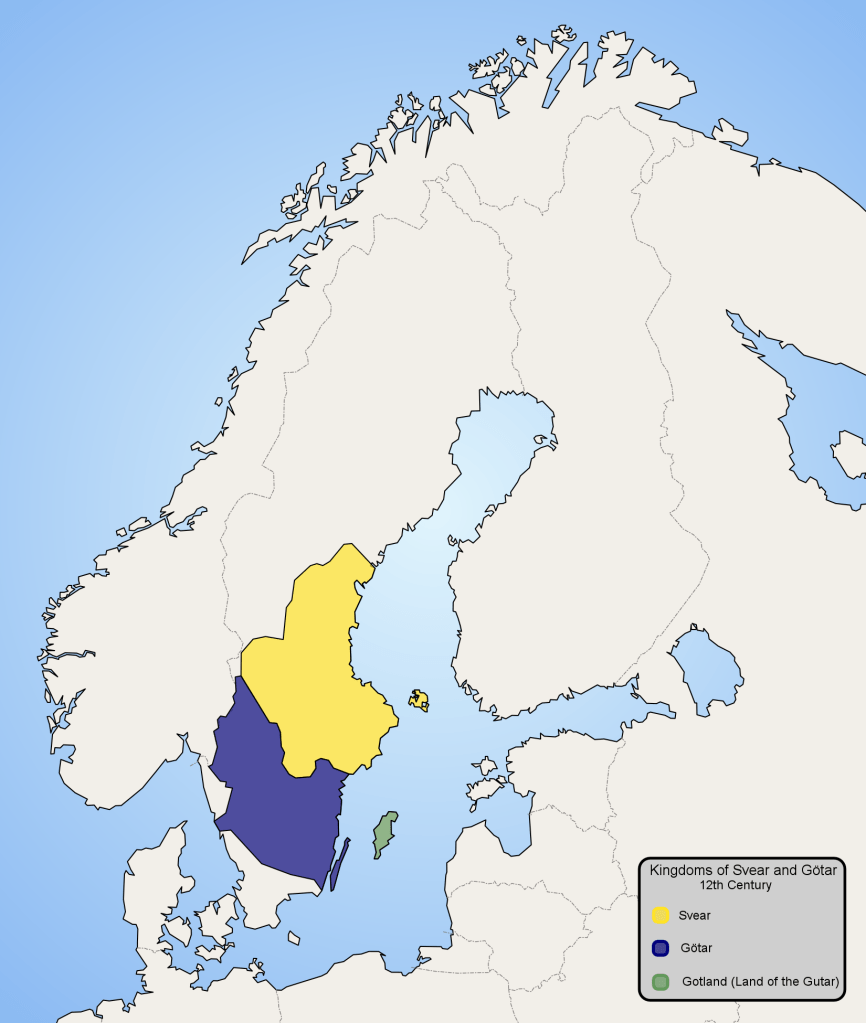
Göter: The sentence of the text says, “8 Göter and 22 Norwegians”. This is an important detail because it reveals a significant detail. Unlike Norway, which had been more or less a united kingdom since the Viking age, Sweden was more divided. The distinction between Swedes (Svear) and Geats (Göter) lasted during the Middle Ages.

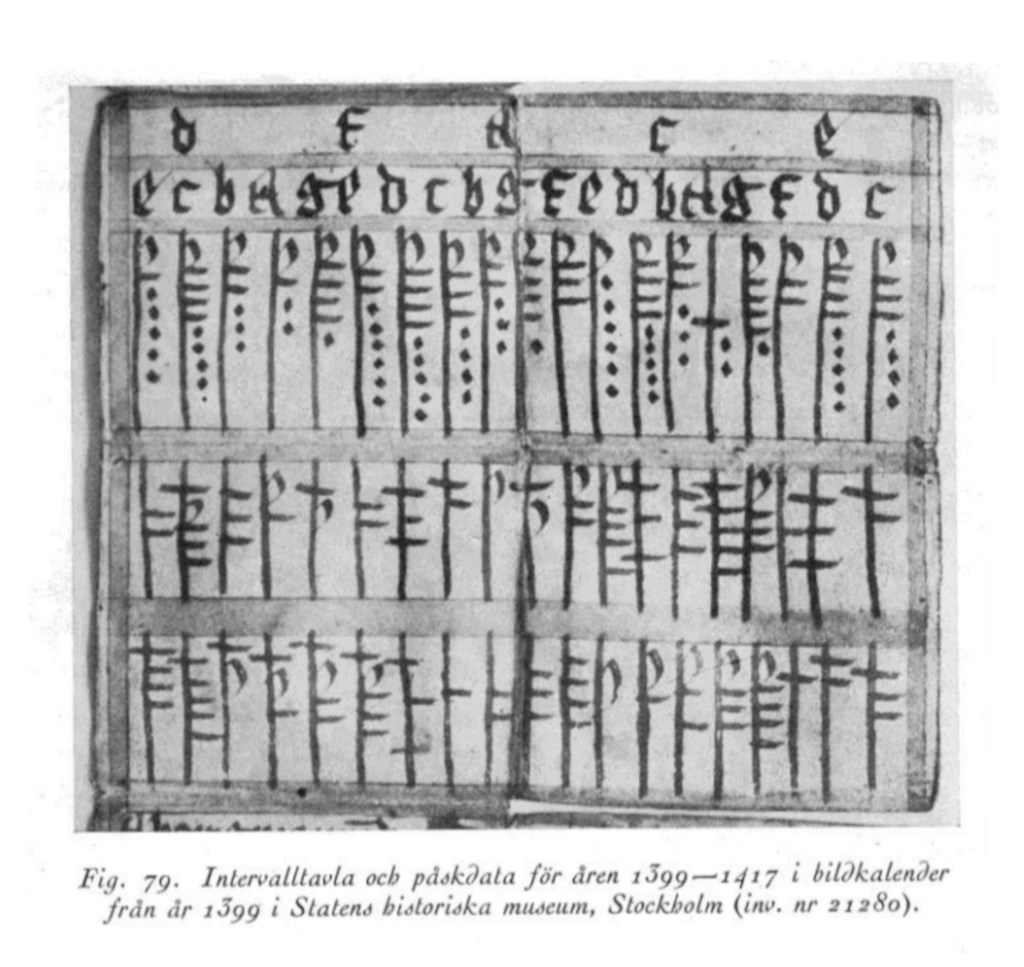
Numbers: as they appear on the Kensington runestone, the so-called pentadic numbers and their usage in the 1362 date are highly debated. It is a matter of an unknown development.  (The same goes for the specific runic alphabet.) Still, it makes sense.

The numbers below are from a calendar book dated 1399

Rise: means “journey”, and this word occurs twice on the Kensington runestone. Therefore, it must have been intentionally. Except for these examples, this scarce word has only been found in a few documents from the 1300s, found in, guess where — Götaland. Isn’t that awesome?

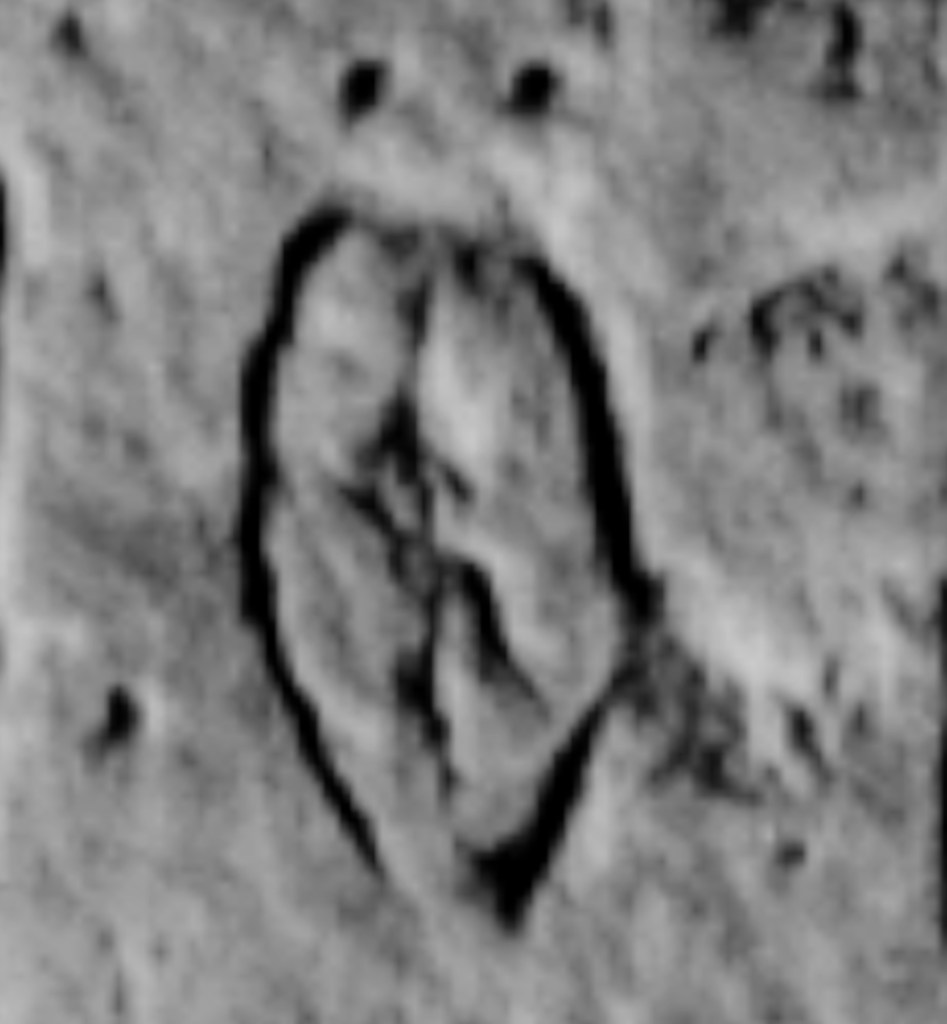
Ö: is a puzzling runic letter, not because of the two dots, but because it consists of two runes: the Ö and a tiny N-rune in the middle.

This is very tiny, considered that most of the runes are just one inch high, which gives small margins to make the N-rune. Neither does the N-rune make sense regarding the sound. So, there must be an explanation. Maybe a prayer or some secret message, a hint.

Since runic writings gradually went out of use in the 13th and 1400s, it might explain why someone developed this exceedingly rare runic alphabet. Maybe it has been used in a guild or something, a closed society. However, most runologist believe it originates from the Swedish Dalecarlian runes from the 1500s. When that said, it could perfectly well have been used in 1362. It is a matter of belief.

AVM: The abbreviation for Ave Maria consists of the Latin letters AVM, which fit very well with the 14th century because back then, most Scandinavians were Catholics.

Let us go further back

Summer in the Greenland coast circa the year 1000 by Carl Rasmussen (1874).

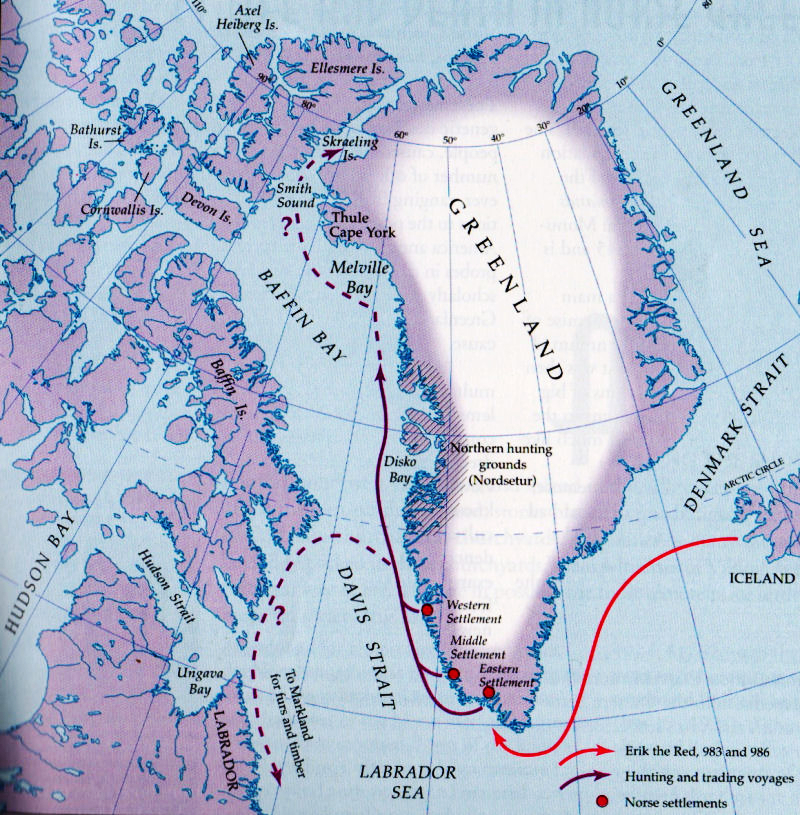
Greenland was colonized from Iceland and Norway in the Viking Age and the Middle Ages. The saga literature tells that Erik Thorvaldsson, also known as Erik the Red, came to Greenland in 982. The name is an early example of misleading marketing; it is an ice-covered island, so Erik called it Greenland to lure people to move over there. Admittedly, the climate must have been more favourable in his time, with better conditions for agriculture. When the Norse population established themselves, they found no indigenous people. It is believed that the Inuit’s lived north of the island and only later came south and met the settlers.

In the Middle Ages, there was extensive trade with Greenland, primarily over to the Norwegian town Bergen. From Greenland, hides, skins, furs, walrus stalks and wadding were brought in, and iron, grain and wood were sent out from Norway. The emigration from Norway to Greenland continued through the 11th and 12th centuries. The population may have reached around 4,000 people in the High Middle Ages, and sites from more than 290 farms have been found. The Norse population was divided into two main areas, Western Settlement, and Eastern Settlement. The latter was the largest settlement.

At the beginning of the 11th century, Christianity was introduced. In 1124 a separate diocese was established for Greenland, and in 1153 this was placed under the archdiocese of Nidaros. In 1216, under king Haakon IV Haakonsson, Greenland was formally linked to the Norwegian Empire. A royal estate was established in Eastern Settlement. In the 14th century, the Greenland trade was limited to one ship, “Grønlandsknarren”.

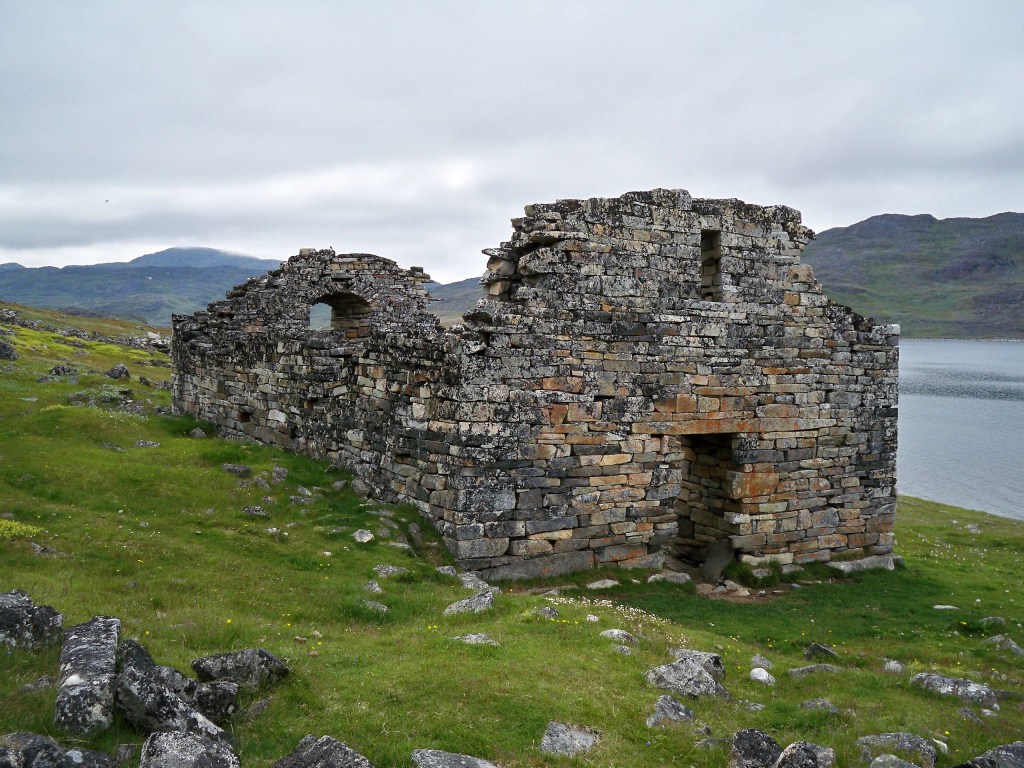
After the Black Death, the annual trade trip to Greenland ceased. The last Norse bishop died in 1378, and the Western Settlement seems to have been deserted from the middle of the 14th century. Eastern Settlement lasted until around the year 1500. A ship that docked in 1540 to seek refuge did not find any living inhabitants but a body that had not been buried. Why this society died out is unclear. The suggestions that often occur are a combination of several factors: the lack of imports of vital supplies after the Black Death and struggles with the Inuit’s, famine, and disease. The climate got colder.

Hvalsey Church. Wikipedia

But there is another explanation that is barely mentioned, even though it has a written source.

In 1630, after a whole archive was lost in a fire in Iceland, bishop Gisle Oddson immediately started to make a synopsis of the most important documents. Old reports, which he writes in Latin. One of these is dated to 1342, and there he gives us a fair enough answer: The population of Greenland left their Christian belief willingly and turned to the American people.

Did these people choose to immigrate to America, or Vinland as they called it back in those days? It is could be the most obvious explanation. They have known this rich and fertile land since Leif Erikson discovered it some 300 years earlier, around 1000 AD.

Such an event would, of course, not pass by without a reaction from the king and church.

November 3, 1354, the king of Norway, Sweden and Scania, Magnus Eriksson, ordered an expedition to Greenland. Paul Knutsson is the captain of the king’s ship. He can freely choose his crew, whether they are the king’s own men or others, then the king asks them to show goodwill for the matter in question:  «for our souls and our parent’s sake » do not let Christianity lapse in Greenland.
(A copy of this letter is stored at the Royal Library in Copenhagen).

Print screen from ESOP Volume 27 * 2009, translation by Williams and Nielsen

With its 1362 date, it fits well into the drama around the lost Greenlanders. The Kensington runestone is now at the Runestone Museum in Alexandria, Minnesota.

The experts at the University of Oslo perceived the language form as “impossible, a very clumsy attempt at to construct an old language form without possessing the required knowledge. For runological, linguistic and historical reasons, the inscription cannot be genuine”.

My name is Tom Thowsen, and I`m just an ordinary bloke from Norway interested in history. I also happen to be an artist who likes to create things in all kinds of material, from clay, stone, paper, digital, canvas, to write novels and articles.

Tom Thowsen (selfie) 2021

Ever since the Kensington runestone caught me in 2007, I have spent some hours of research during the years. I have had correspondence with most of the recent researchers connected to this stone. I even sat on the board of directors for the American Association for Runic Studies for a short period. In 2010 I established the Facebook group: The Kensington Rune Stone International Supporters Club, consisting of 1338 members worldwide. In 2017 I released my novel Kayaweta, an archaeological thriller about the Kensington runestone.

But this very blog article is only a shallow dive into this huge matter.

However, my goal is to make people aware of this and get science back on the right track lost in our Norwegian fight for independence.

Thank you so much for your attention.

Gaustatoppen — an ocean of stone

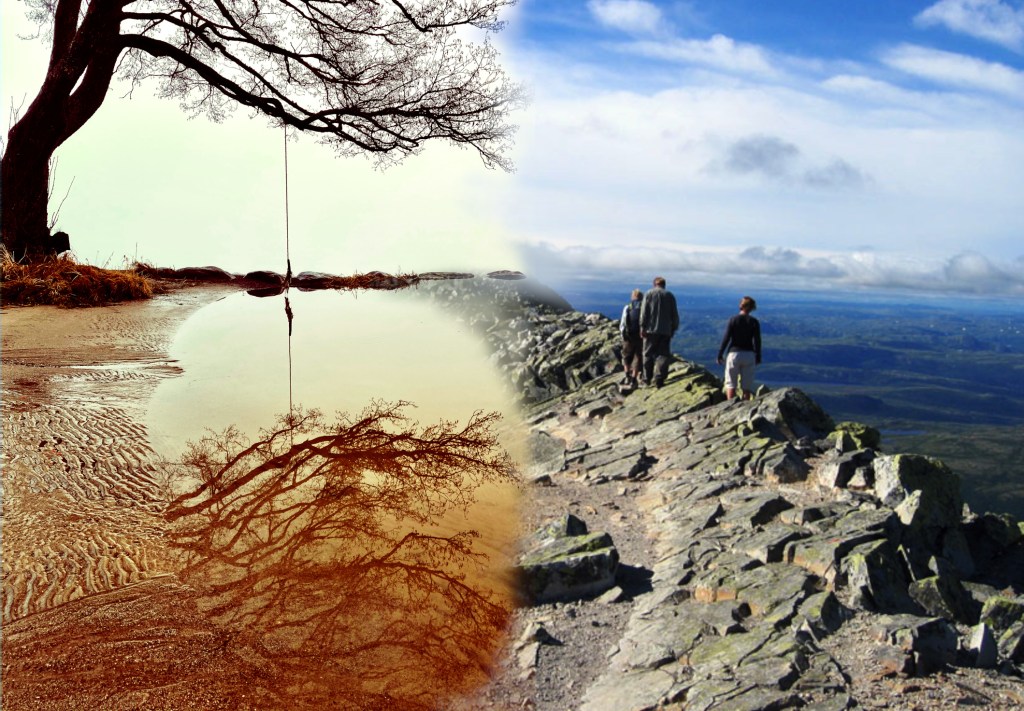
Those who have climbed this rocky mountain may have noticed the wavy stone surfaces and wondered why. Why do they look like this?

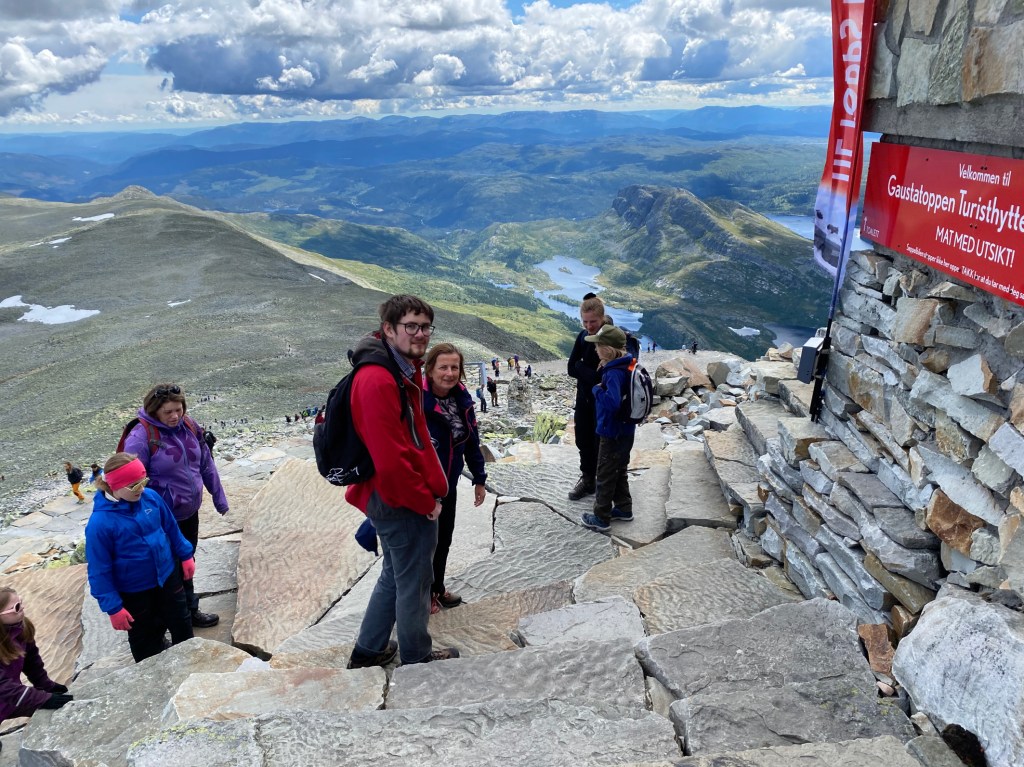
Well, this is a beach walk 1,200 million years too late. Now the beach is 1,883 m (6,178 ft) above the ocean. Needless to say. It is cold, and bathing is not an option — you could only dive into the snow.

But on the other hand, there is a stunning view from here. You can see an area of about 60,000 km², one-sixth of Norway’s mainland. Bigger than the flat pancake Denmark, for instance.

As an author of novels and articles, I am always aware of my surroundings. Where to go and what to see. Tries to use my imagination. To see the history behind what we see.

I also try to bring it all alive with my artistic skills, like the illustration above.

An ocean of stone …

Surreal.

A huge flood wave, it seems—a fossilised shattered beach.

Photo: Tom Thowsen 2020

Today, it is not an easy beach walk. That’s for sure. Climbing downhill is absolutely the worst, especially for my back. It cost me some pain for a couple of days, to put it mildly. Still, I am spellbound by this scenery.  Such environmental changes there have been. And climate changes, for that sake. This beach has suffered earthquakes, and several glaciation periods. When seeing this, one can wonder how much there will be left of our civilization after the next Ice age to come.

It makes me feel small.

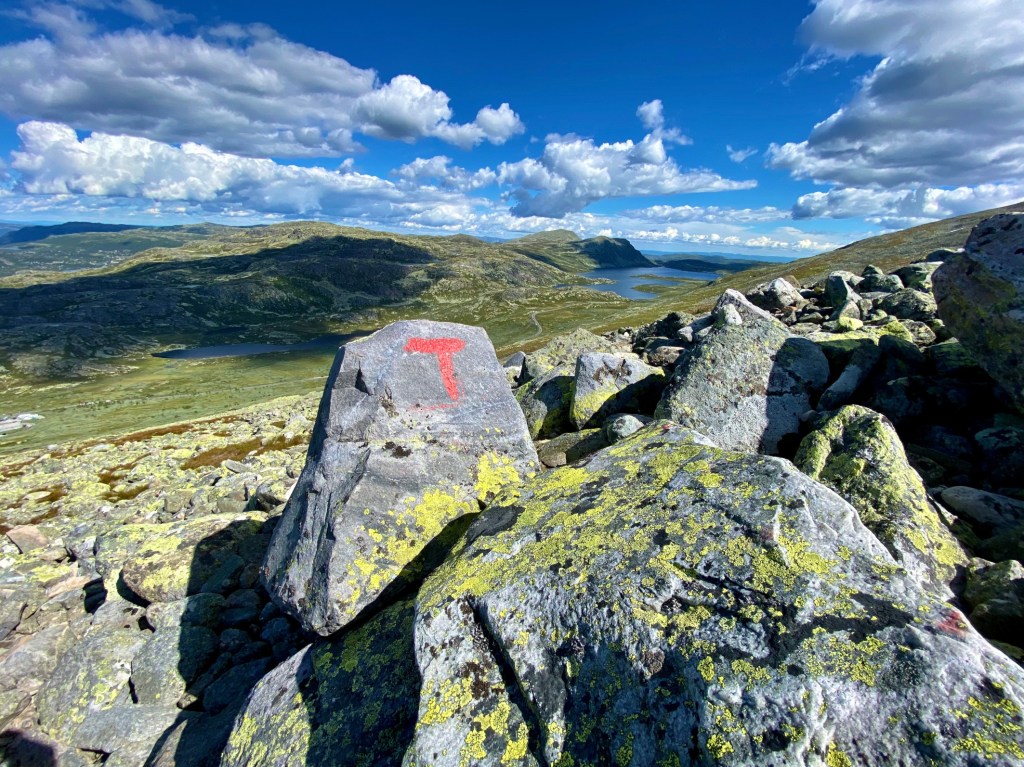
Photo: Tom Thowsen 2020

The trails are well marked with red T`s.

The Norwegian Trekking Association (Norwegian: Den norske turistforening, DNT) is a Norwegian association which maintains mountain trails and cabins in Norway. The association was founded on 21 January 1868 with the scope «to help and develop tourism in this country». Today the goal is to work for simple, secure and environmentally friendly outdoor activities.

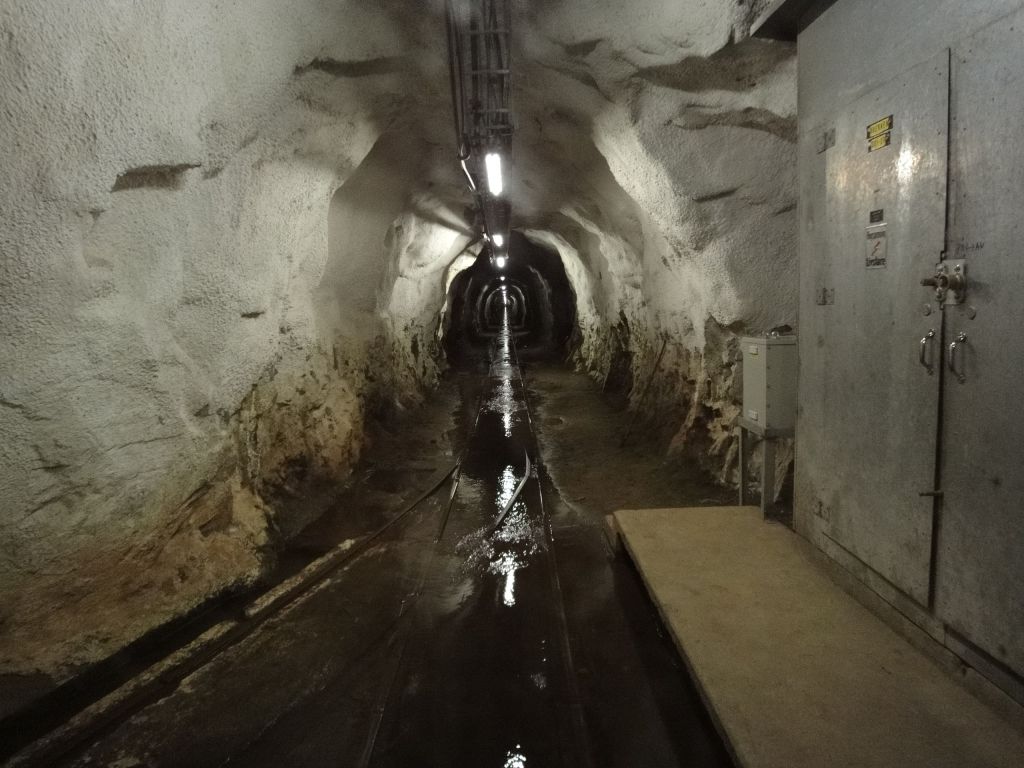
A secret tunnel to the top is also available.

Photo: Wikipedia

Gaustabanen is a mountain railway that runs from Longefonn 1150 masl. to near the top of Gaustatoppen 1800 masl. The course is open all year round and runs continuously during opening hours. From the start to the top, it takes 15 minutes. The track consists of 2 stretches and 3 stations. From the lower station, an electric tram takes 850 meters into the mountains to Brekket. There you go over to the cable car that takes you up to the upper station and the exit at the top.

The course was originally built as part of a secret NATO facility in 1959. After NATO left the facility and a great effort from enthusiasts, the course opened to the public in 2010. Today, the Gaustabanen is open all year and is very popular and provides easy access to the top one of Norway’s most beautiful mountains.

This mountain, which once was a beach, has both a curious inside and a widely known outside, and it is situated just three hours’ drive from the capital, Oslo.

Photo: Tom Thowsen 2020

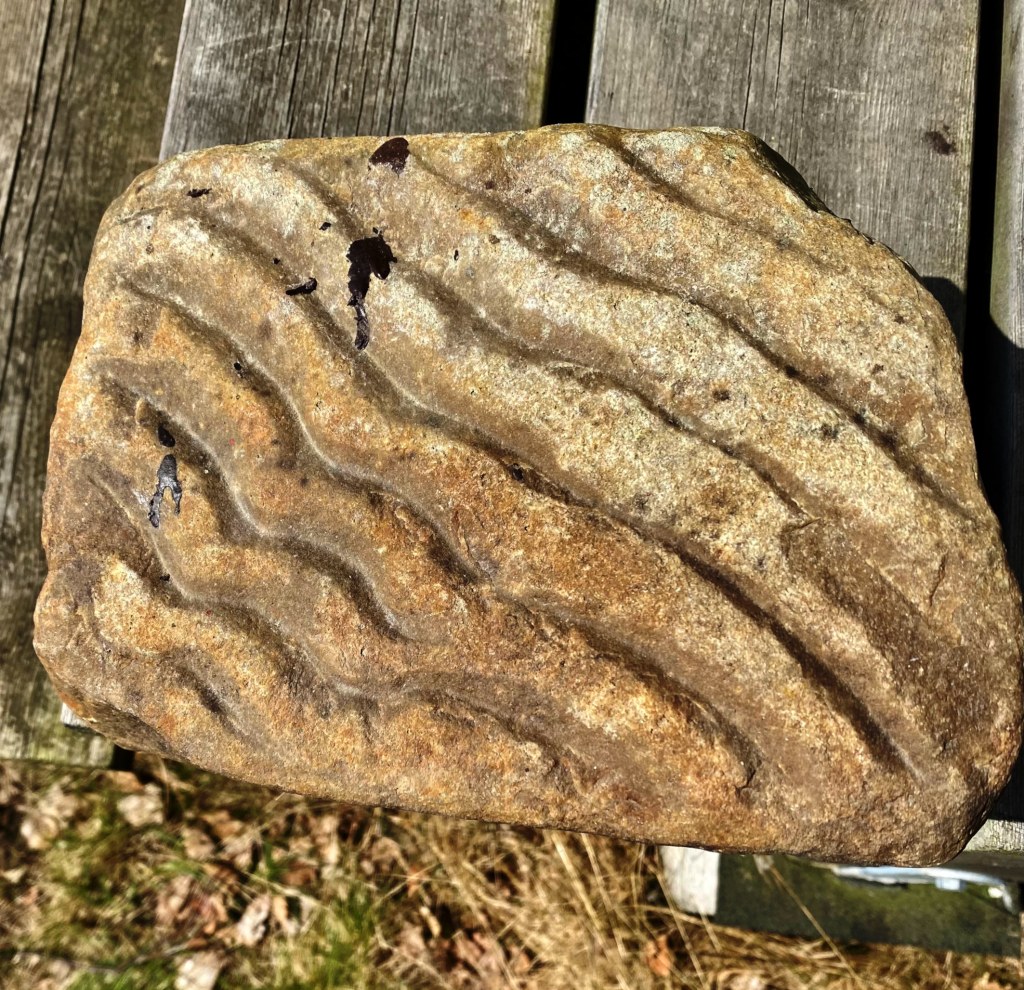
As a curiosity, at my cabin, 200 kilometres southeast of Gaustatoppen, I found the stone in the photo below. (Sorry for the paint stains, my fault.) This possibly shows how far stones can drift away with the movements of glaciers. Or some of the previous cabin owners brought it there, maybe as a souvenir from Gaustatoppen. It does not belong to my district southeast in Norway.

Photo: Tom Thowsen 2021
Gaustatoppen Photo: Wikipedia

Priceless Stone Rings, with a touch of magic

They have been a part of the landscape for thousands of years and will perhaps last many years to come. Depending on if we know how to value them.

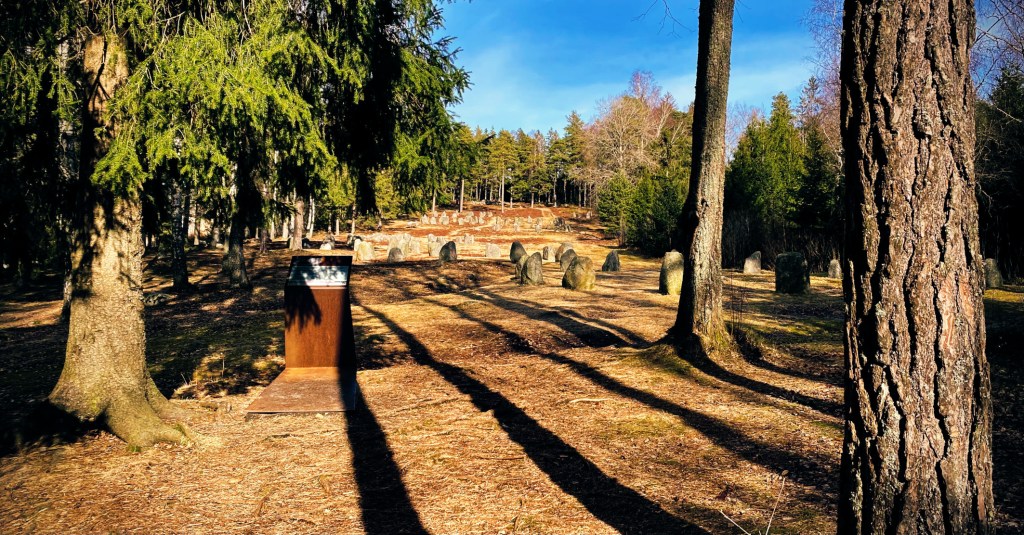
I shot the picture above when my son and I visited the Hunn fields here in Fredrikstad — located in the southeastern part of Norway. It was April. Spring. Wakening of life, and there was we wandering between light and shadows. Listening to bird twitter. Looking at these ancient monuments. Reading the signs and learning more about our ancestors …

Okay, I must confess. In case my wife should see this. The young beauty with the harp was long gone. She was a Seeress (Volve), and she could predict the future. Normally they were far older, by the way. But they were highly respected wanderers. Well paid too.

Yes, they needed her services. These stone circles are barriers between life and death — a graveyard used from 1000 BC to 900 AD.

For example, a healthy child was born at Hunn settlement, but the mother did not survive the birth. Joy and sorrow are mixed. They had a lot of preparations to do before life could get back to normal.

Cremation was the norm in the Pre-Roman Iron Age. Tradition governed what clothes the deceased wore, how the pyre was constructed, and who ignited it. After cremation, they placed the bones and charcoal in a hole in the burial ground. The grave might be marked with a stone slab, small stones in a pattern, or as here with circles of standing stones.

Hunn fields. Photo: Tom Thowsen 2021

All these stone circles remain of an uneven number of stones. Odd numbers are considered magical.

Hunn fields. Photo: Tom Thowsen 2021

As an avid history lover, who like to create art in all kinds of forms, spanning from sculptures to articles and novels, I am truly fortunate. Here in the lower Glomma delta, where people have flourished since the Stone age, there is such an inspirational treasure trove.

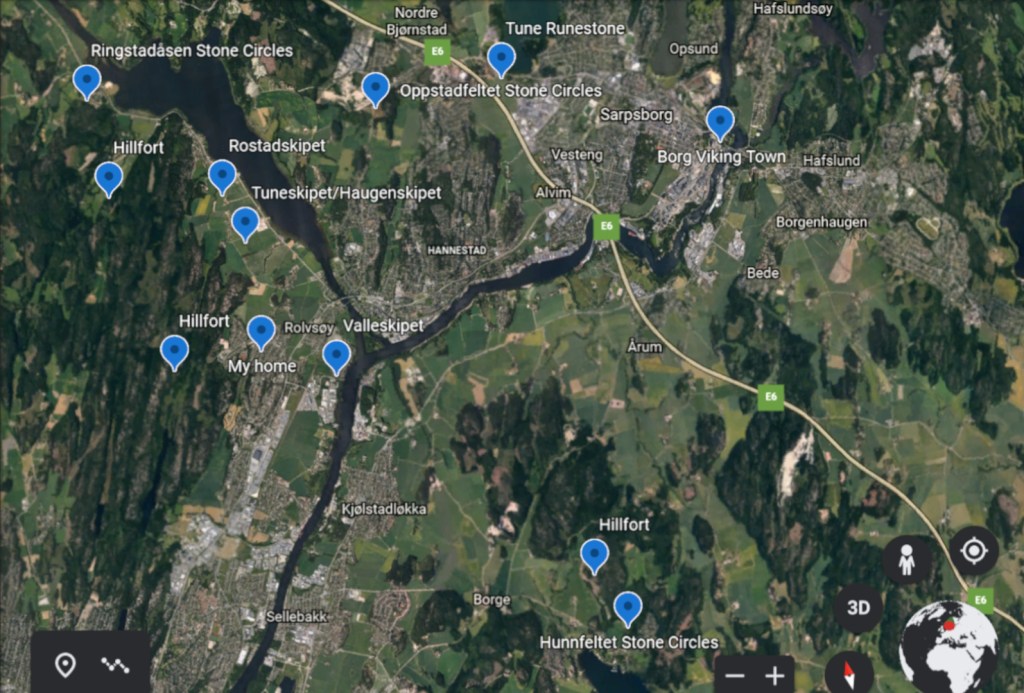
To mention a few: Borg Viking town, Tune Runestone, three Viking ships — Tune ship, Rostad ship and Valle ship. Several hillforts and stone circles, and much more.

View over Fredrikstad and Sarpsborg. Google Earth

Some days later, I received some good news. A few kilometres from where I live, at a small village in the sloop of Ringstadåsen, the archaeologists found new stone circles. Hurrah, hurrah! This was amazing. Ringstadåsen means Ring place hill.

My son and I went over to look at them but only found a construction site for private homes with a stunning view over the river valley.

Not low prices, of course.

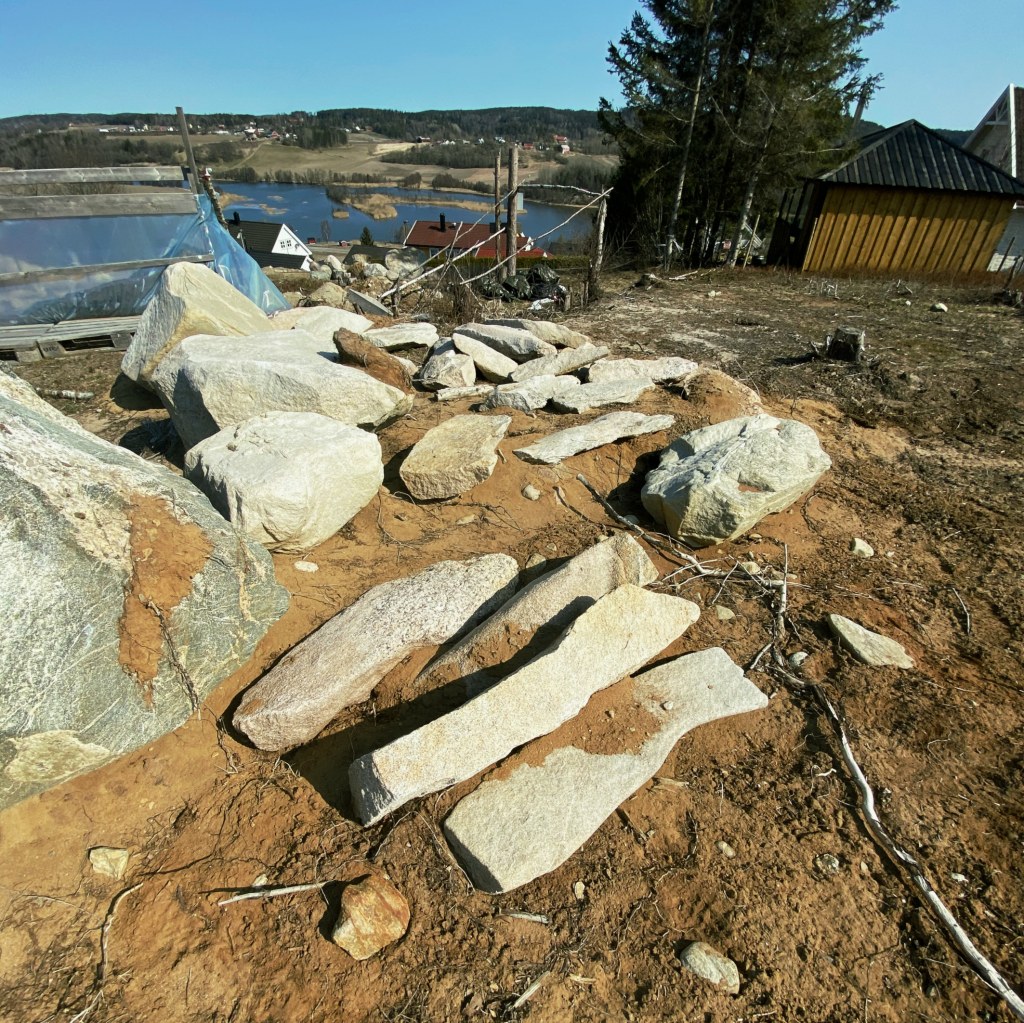
Ringstadåsen. Photo: Tom Thowsen 2021

The next day we came back, equipped with a map showing the exact location, but was struck with surprise. They were gone!

Well, not completely. They have pulled them aside.

Originally three stone circles with diameters around seven meters.

What a disgrace, I said to myself. Now they have erased their own history. There is a school located a few hundred meters away. These children have lost something special.  

I posted this case on an archaeological forum where I said that I am concerned about the situation in Norway, where agricultural soil and historical places get destroyed at an alarming tempo every year. In fact, only three % of our landmass is suitable for growing grain, and we depend on the import of food. Otherwise, there probably will be famine.

However, in this case one of the archaeologists who had conducted an excavation of the site, confirmed that they had demolished the stone circles. But the landowner had thought about a possible reconstruction, he said.

In the meanwhile, I better talk with the beautiful Seeress with the harp …

Thank you, and please subscribe if you like to read more articles.

Sincerely,

Tom Thowsen