In that very moment, Mother Earth was speaking to me.
Kornsjø, Norway. Photo: Tom Thowsen 2020
Sounds a little bit odd in your ears, I guess. Mine too, for that sake. Like a hippie or a member of the alternative society.
However, it is comforting. Healing, as well. It could protect you from anxiousness and depression. I highly recommend this medicine. To walk in nature and listen to mother earth. It is where we belong. It is where it all began. Not in a humanmade artificial environment, remote from everything natural. So, let us get back.
Kornsjø, Norway. Photo: Tom Thowsen 2020
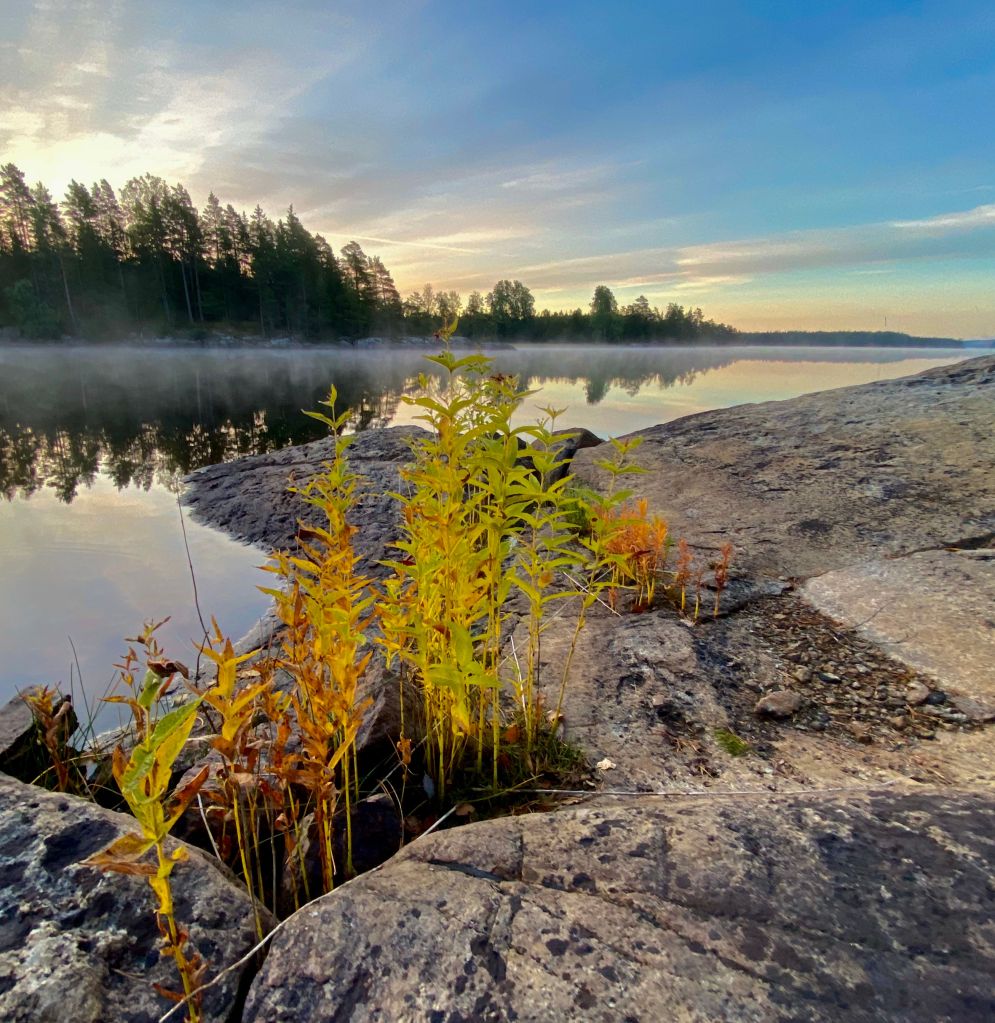
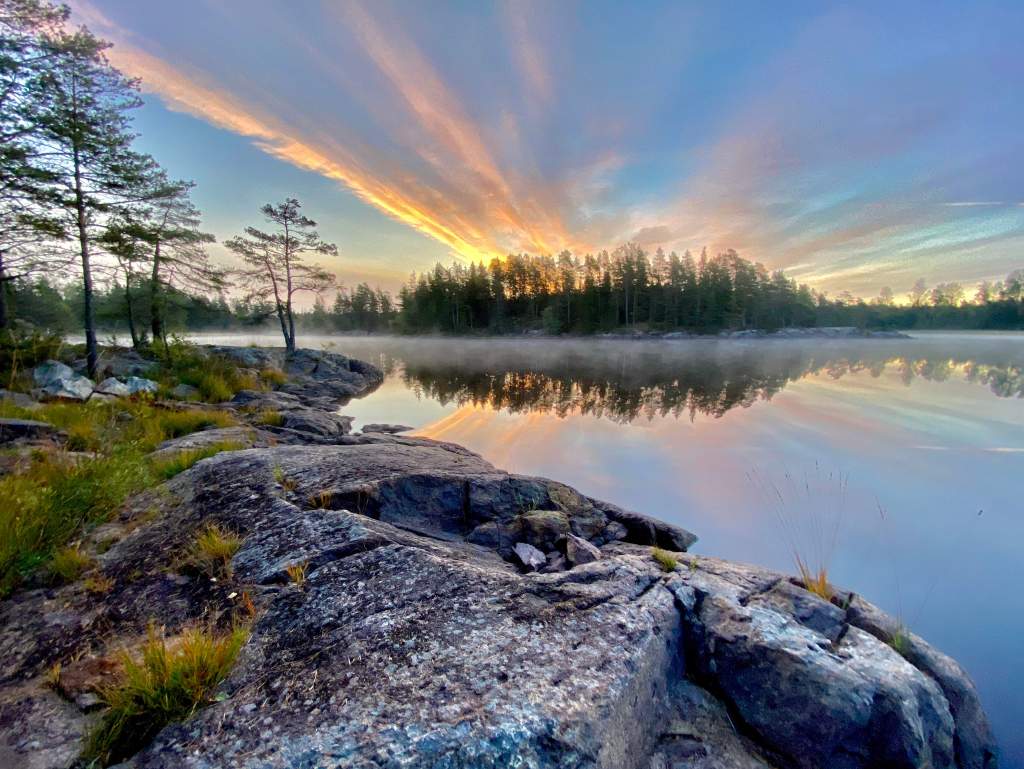
Late September, I woke up early in the morning, curious to catch the rising sun. Not all mornings are the same; the light conditions can differ a lot. It could be too bright or too cloudy. But this morning was outstanding. No wind at all, the water lies like a mirror. The mist over the lake. The bright clouds. The clean air. The smell of autumn. And the silence was overwhelming. Lucky me, I thought. What colour cascade. What a magic moment. And there was I equipped with my iPhone 11. My only camera.
Kornsjø, Norway. Photo: Tom Thowsen 2020
Everything glows—the contrasts between light and shadow. In the east, from the Swedish side of the lake, I can hear a wolf scream in the far distant. Besides that, just silence.
Kornsjø, Norway. Photo: Tom Thowsen 2020
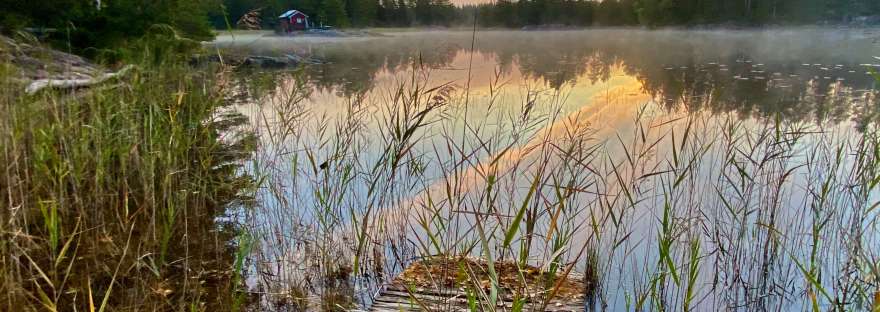
Look at the tiny cabin, floating on the mist. It lies on its small islet, separated from the island where I stood.
Kornsjø, Norway. Photo: Tom Thowsen 2020
The clouds sailed in convoy over the sky, stretching out its fingers from Sweden towards Norway.
Kornsjø, Norway. Photo: Tom Thowsen 2020
So near, but still too far distant – some places I can toss stones at Sweden – nevertheless Covid-19 makes us parted. That is a surreal situation.
But if the very bedrock under my feet could speak, it would say this is a small and short-lived problem. A glacial period of hundreds of thousands of years made a more significant impact when this bedrock was lying under the pressure of a two kilometres layer of ice. A vast amount of frozen water that melted away just some ten thousand years ago.
Quite impressing to know. It makes me realize that Mother Nature is a strange mother, indeed, and we must live our lives under her conditions – follow her rules. We need her, but she does not need us. We`re just lucky to be here.
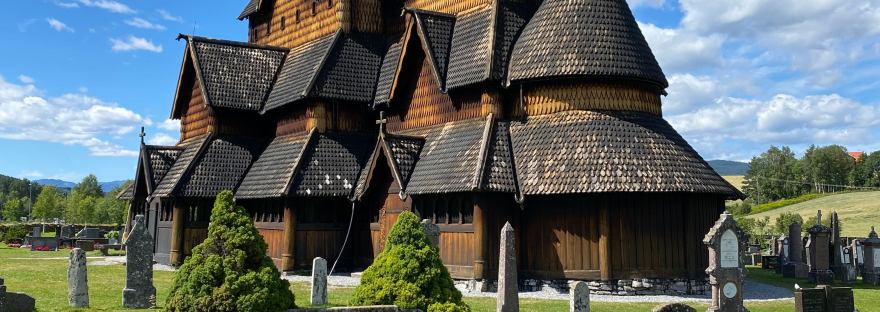
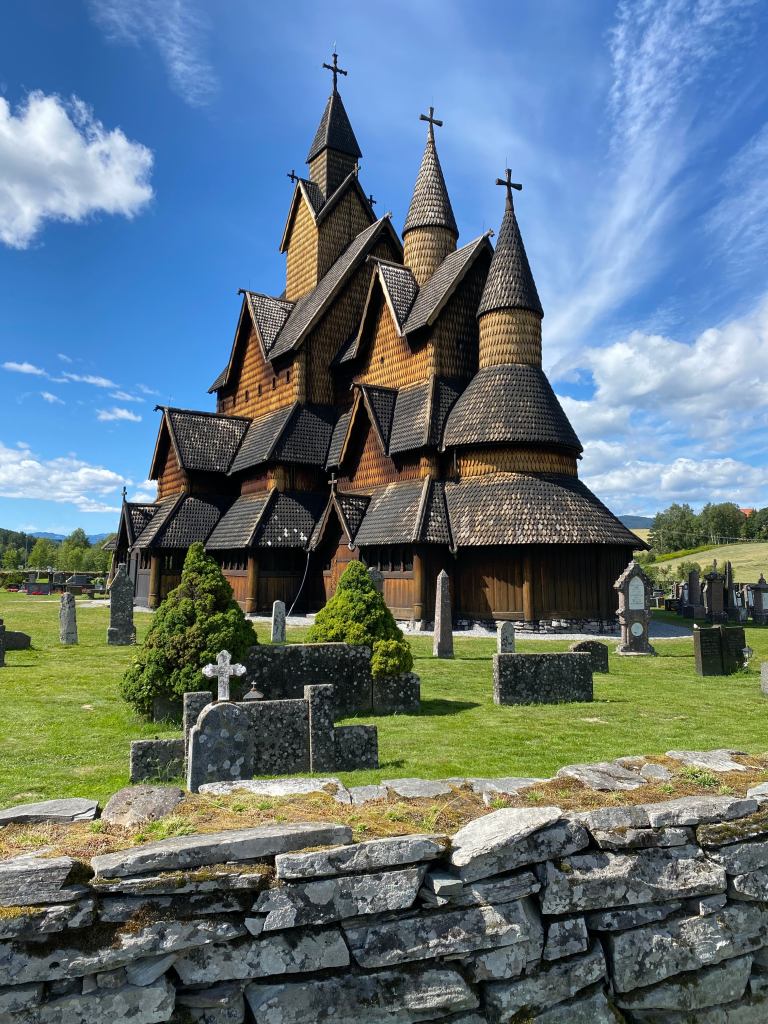
I`m talking about the biggest Stave Church in Norway, where some of the wooden structures have survived since it was ready in the mid-1200s — some 800 years ago — which is quite impressing
Due to the ongoing worldwide pandemic that hunts us all, I decided to travel in my homeland this summer. I went back to my roots in Telemark, to visit the Church where some of my relatives lie buried. The Amazing Heddal Stave Church.
Once seen, never forgotten.
Look for yourself
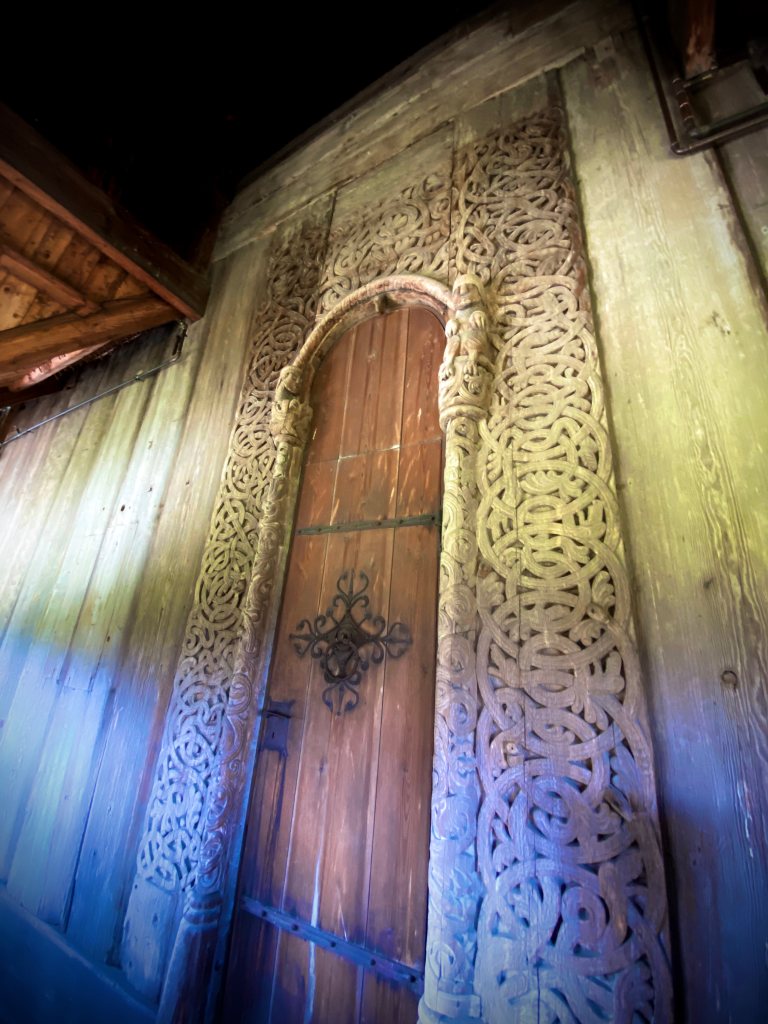
Some features in this monumental building breaths Viking age. Did I hear someone saying WOW? — Yes it`s true, in this once a Roman Catholic Church, there are traces of the old paganism. The dragonheads, for instance.
Furthermore, there is a legend telling about the erection of the church. And fasten your seatbelt, please — it was a troll who built it. Just three days of construction!
Oh, by the way, Finn Fagerlokk(Fairhair) is his name. He could not ever after stand the sound of church bells, so he moved along with his family to Himing (Lifjell). In case you need an extremely efficient house builder.
Other pagan features in this church, are Sigurd Fåvnesbane, the dragon slayer, and the shieldmaiden Brynhild.
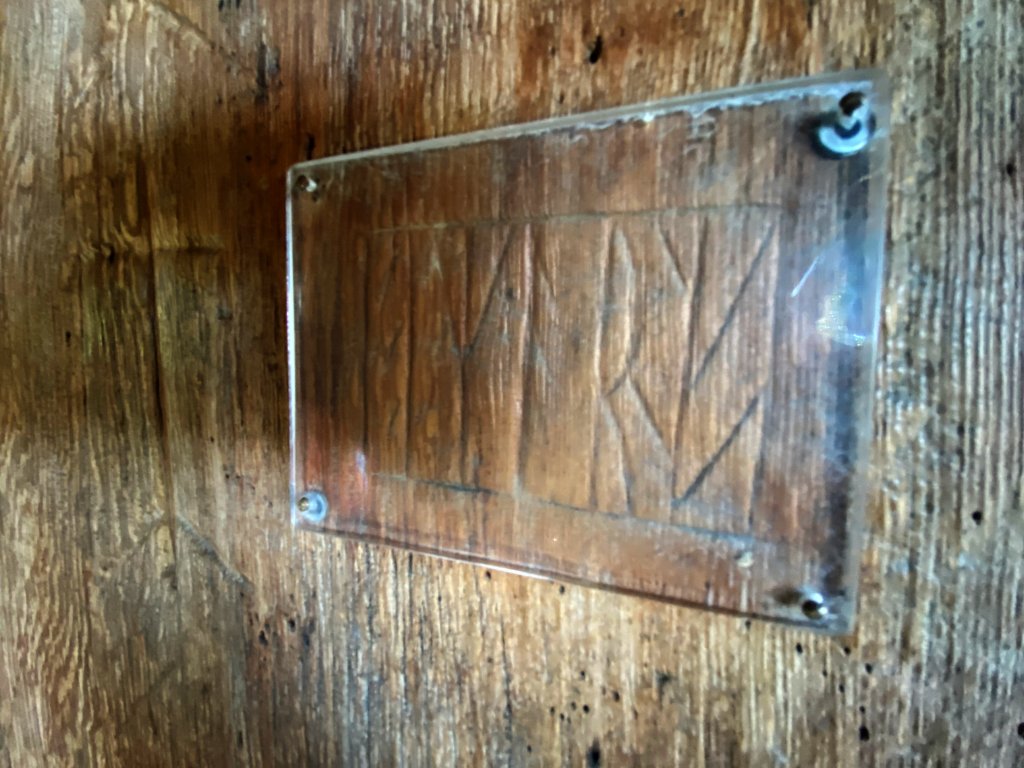
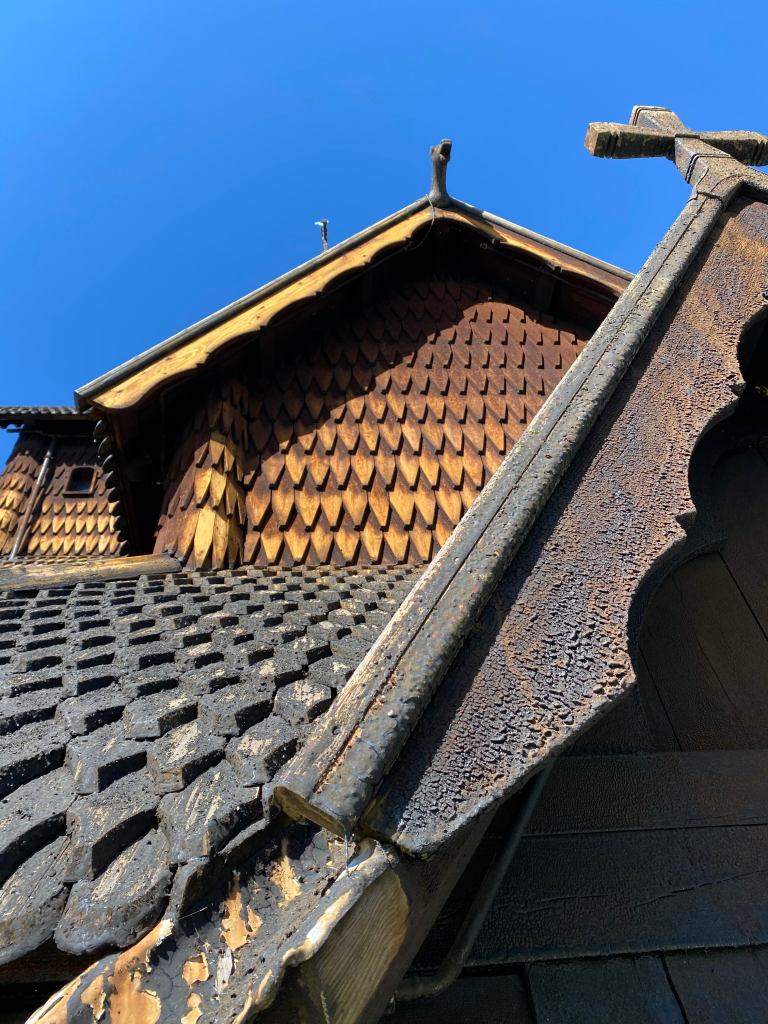
Old taggers, using runic letters. Photo: Tom Thowsen 2020A door decorated with Viking style patterns. Photo: Tom ThowsenA thick layer of tar for preservation. Photo: Tom Thowsen 2020
Though it can feel magical with the troll, he owes us an explanation of how he managed to build this church, in just three days, which have lasted for almost eight hundred years.
Psst, here you have a clue for the durability. Tar galore.
Another thing – he cheated. It demanded years of preparations. He had to choose the right trees in the forest, take the bark off them, let them bleed resin while they were still growing. And finally, after several years of waiting, he cut them down – with other words: A time-consuming prosses beyond our modern people’s imagination. That is the real story. Thankfully for us, someone cared, thank God.
Heddal Stave Church in its surroundings. Tom Thowsen 2020
Midsummer 2020 has been one of the most bizarre in my life, filled with silence and a lack of cheeriness. I even got a sense of breaking the law.
The Channel. Photo: Tom Thowsen 2020
The Channel
On the brightest day of the year, when the sun barely goes down, there was a shadow hanging over me. All thanks to the Covid-19 virus, which parted us Norwegians from our dear neighbours in the east. The Swedes, known for their joyful midsummer celebrations, were almost absent at Kornsjø — a lake on the border.
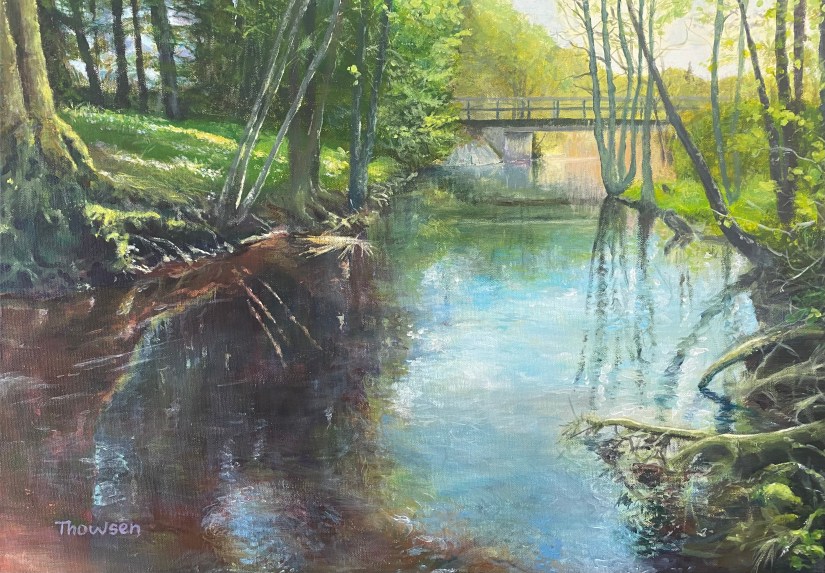
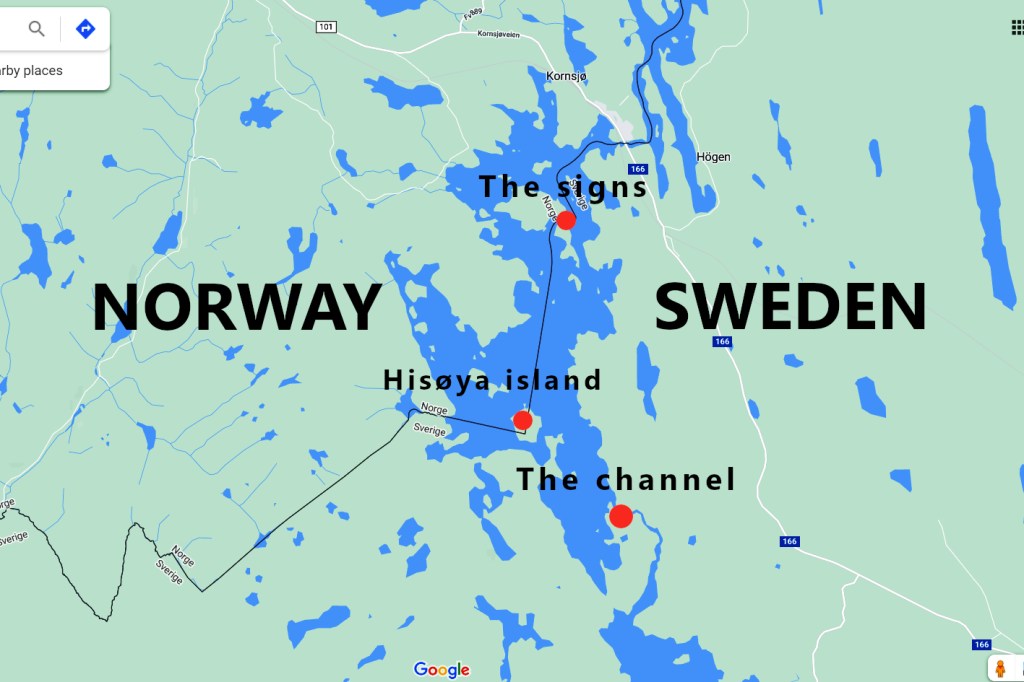
Well, I must confess: Yes, we crossed the border. More than once. Mainly on the lake. We even went a couple of kilometres into Sweden, into a narrow channel, under a bridge, where some of us got worried. Flying trouble in the air.
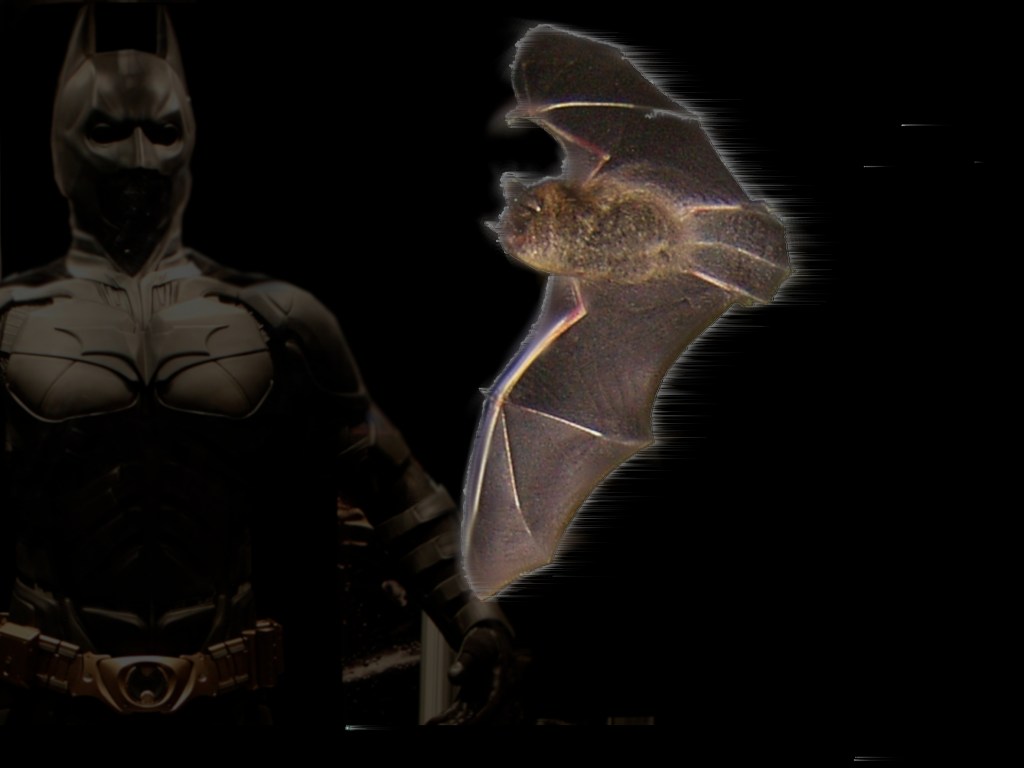
«Look out! There’s Batman!»
«Oh, is he that small? I’m not impressed.»
Not quite like that, these quotes were from another trip, but we joked about it now as well. Nevertheless, this time it was different. Now there was mention of bats and the Covid-19 virus, and we decided to turn back to Norway again.
Should we have been sentenced to 10 days of quarantine?
No, I do not think so. We did not meet any Swedes, other than at a safe distance, only on the water.
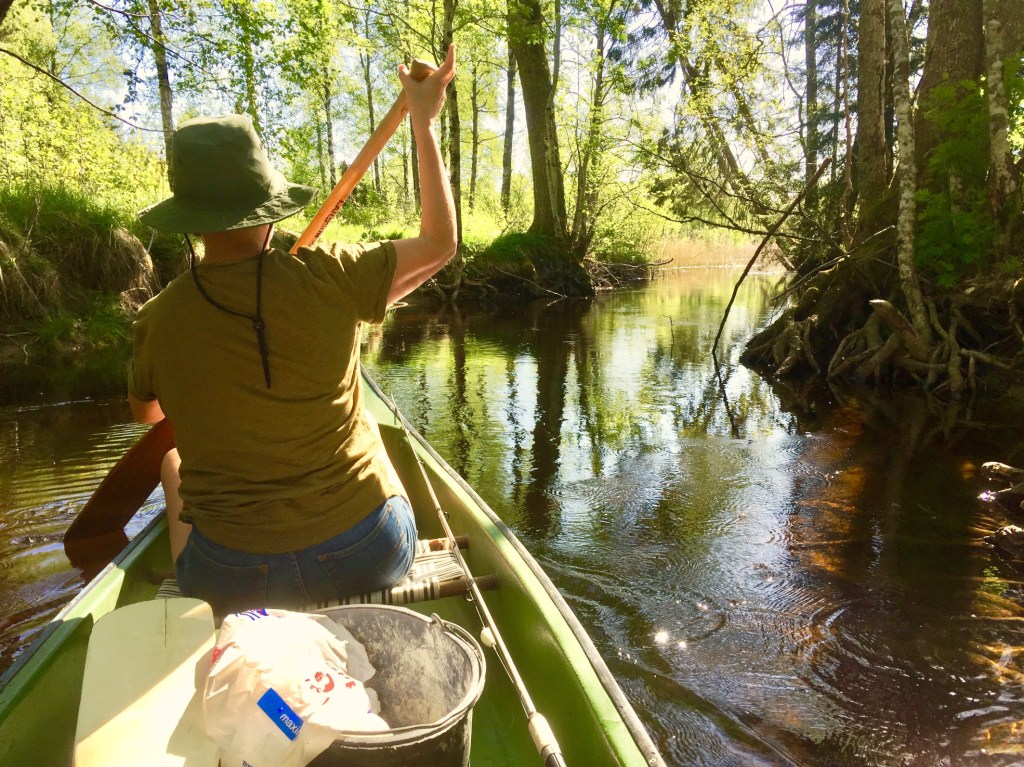
The Batman bridge is in the background Acrylic on canvas 50 x70 cm Painting: Tom ThowsenThe Channel from another trip where we used a canoe, in the happy days before the virus came. Photo: Tom Thowsen
The Signs
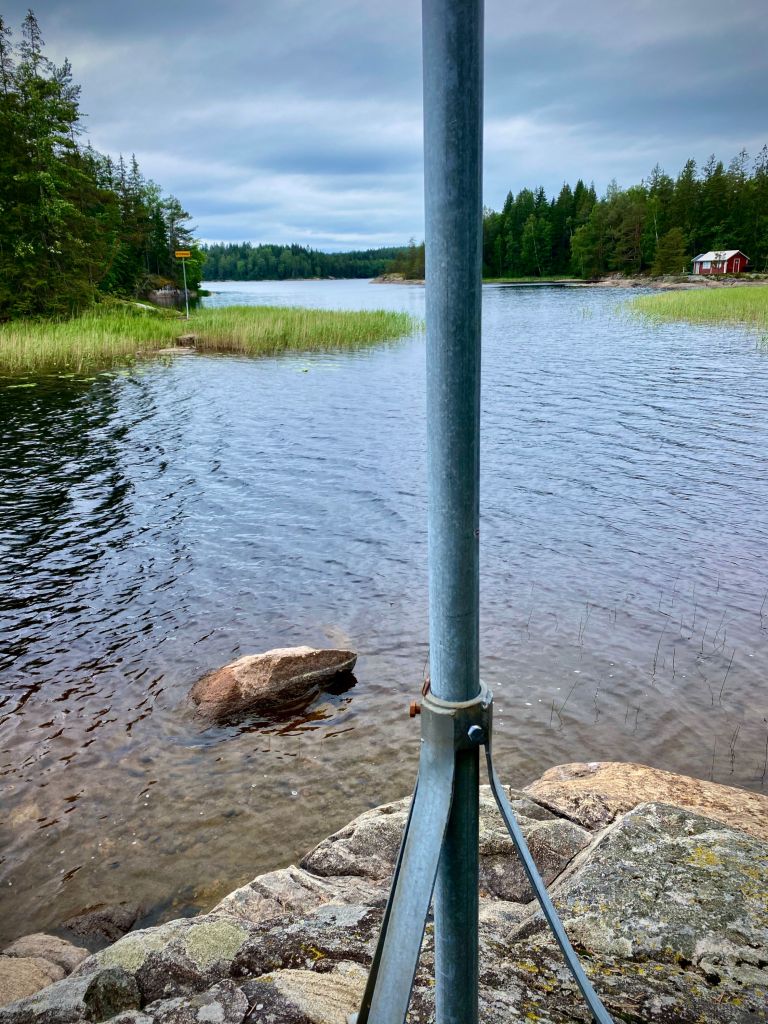
Two border signs. Photo: Tom Thowsen 2020
In some places, Sweden is exceptionally near, so close that we can toss stones at each other. The island to the left is Sweden. The pole in the foreground, and the cabin as well, is in Norway. Hey, you`re bound to break the law when travelling by boat. There are no markings on the waves.
Hisøya island
Hisøya island. Photo: Tom Thowsen 2020
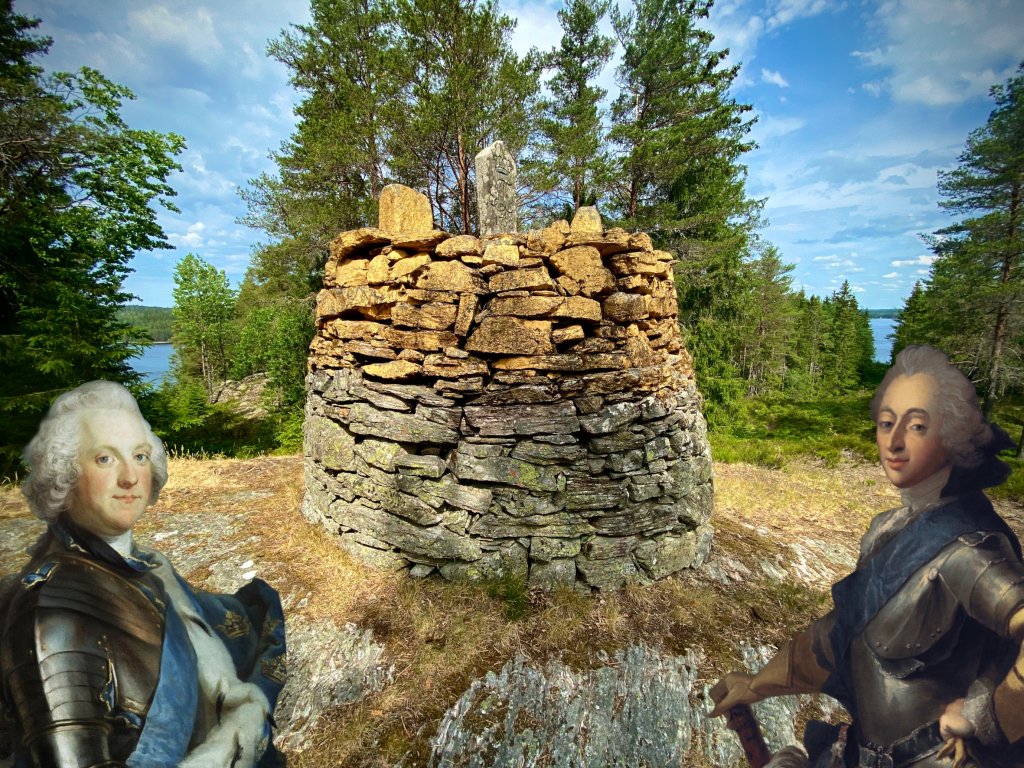
The next day we visited «riksrøys» number one, a border marker from 1752, situated on Hisøya island. As you can see, the trees are chopped away along the borderlines — all the way down to the watershed.
Here some noblemen greeted us. — Yes, it is true. We saw their monograms carved in stone, placed at the top of the cairn. Strong guys? Yeah. It must have been a difficult job for them, to stack all these rocks into this fantastic pile. Just look at the photo; how proud they look.
The guy to the right, he with the sword in his hand, is the reflection of Frederick V. He was a freemason who loved to party. Besides that, he was king of Denmark and Norway. He would indeed have joined our midsummer celebrations if he could.
Hmm, one other thing that caught my attention — his sword. Did he cut down all those trees on his own? All by himself?
The guy to the left, Adolf Frederick, was also a Freemason. But as a Swede, he loved snuff. His favourite hobby was making snuffboxes, which he allegedly spent a great deal of time doing. He was supposedly a good husband, a caring father, and a gentle master to his servants. Besides all that, he was also the king of Sweden. A hard-working man!
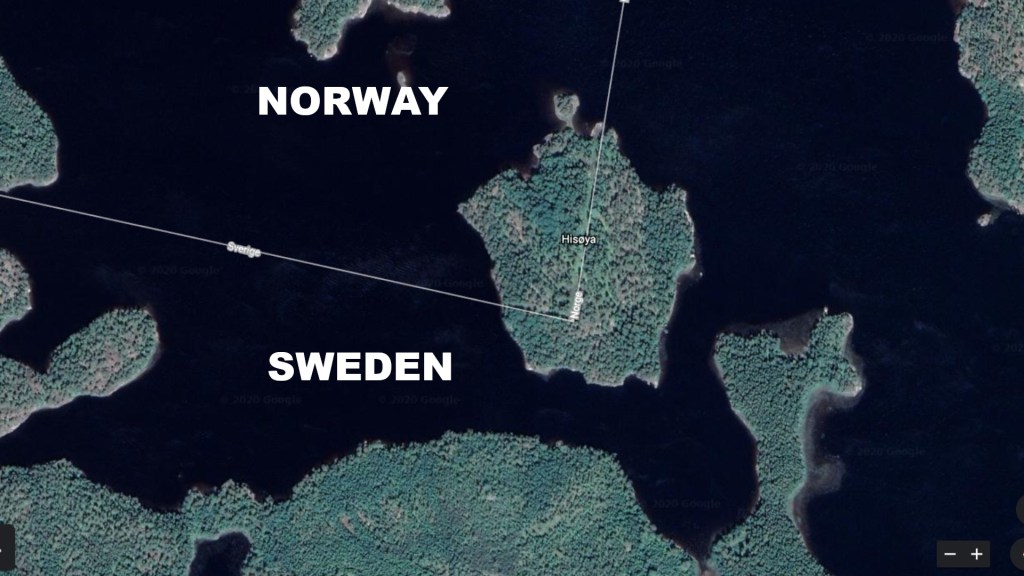
Hisøya island and the borderline. Google Earth.
To make borders is a troublesome business—no wonder why they look so strange. Danes, Norwegians, and Swedes have argued about them for centuries. They have fought numerous wars and have been moving them back and forth and back again. Somewhere it follows a creek, and otherwhere it follows unexpected turns.
However, as this monument shows, they came to an agreement in 1752, or more precisely, one year previous, in 1751.
These kings did neither know that a crazy author of suspense books should pass this border 268 years later – illegally! Almost 1400 metres into Sweden. Still, nothing compared to getting illegally into Belarus. But that is another story.
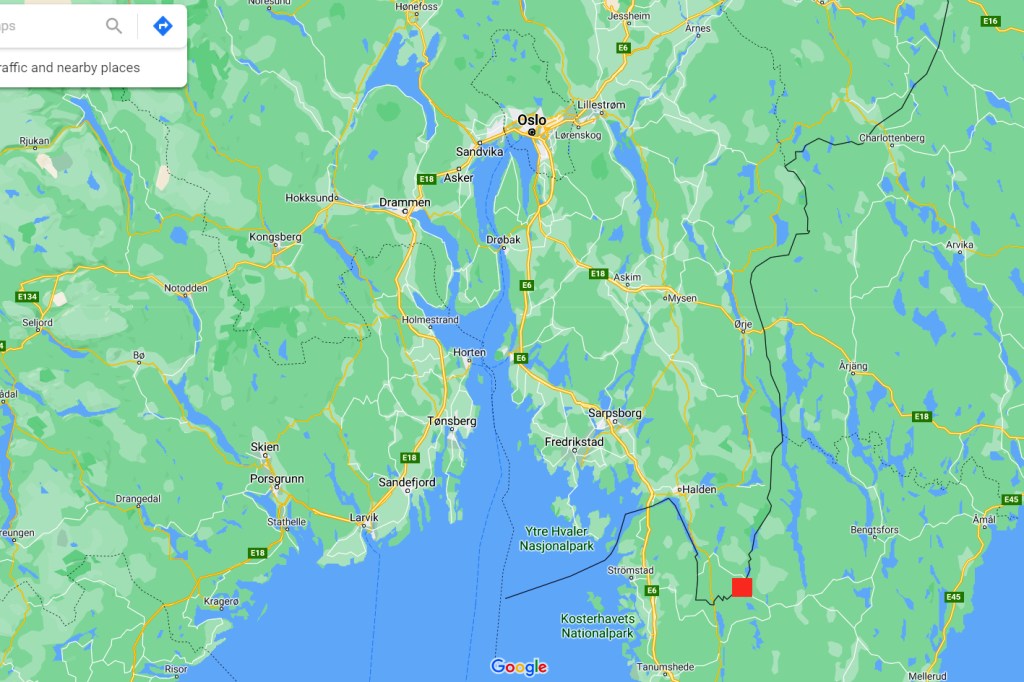
Lake Kornsjø marked with a red squareMy wife handles our boat near Hisøya island. Photo: Tom Thowsen 2020
After we met with the kings, we headed back to our boat and left Hisøya island while the wind whispered gently in our ears: “Everything will be fine. One day the borders will open again.”
One year later
A Swedish farm at Lake Kornsjø, which could resemble a typical summer residence for Norwegians. Photo: Tom Thowsen 2021
Since 2019, the borders had been closed almost like during WW2. Both our government and our citizens were tired of the whole situation. It was a living nightmare for those who lived in one country and had to work in the other. They really had a hard time those days.
The same goes for those who had summer houses on the wrong side of the border. It went on for many months.
In the media, we heard of a desperate Norwegians caught while they illegally travelled by helicopter to their summer residence in Sweden. Apparently not a good choice. Noisy and expensive too.
I also read about one incident where a police squad hunted a 60-year-old woman. She had received a briefcase on the border. The poor, terrified woman left her car and ran far into the woods before they caught her. Mostly cigarettes, which are much cheaper in Sweden.
From the Norwegian side of Lake Kornsjø. With a view towards Sweden. Photo: Tom Thowsen 2021
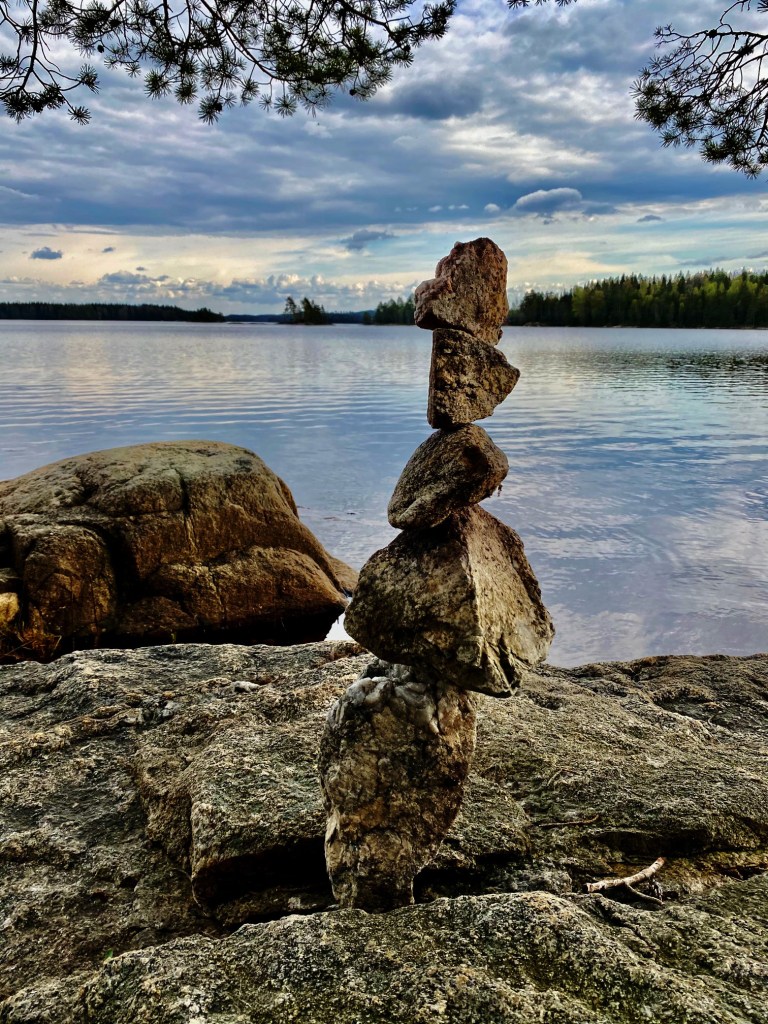
In the meanwhile, I improve my self-discipline with stone balancing. This one lasted for five minutes. It was blowing in the wind that whispered: It will be over soon …
It luckily happened some months later, in 2022
PS. This sculpture would generally have fallen over to the right due to gravity. So why didn’t it? A crack in the bedrock holds it fast.
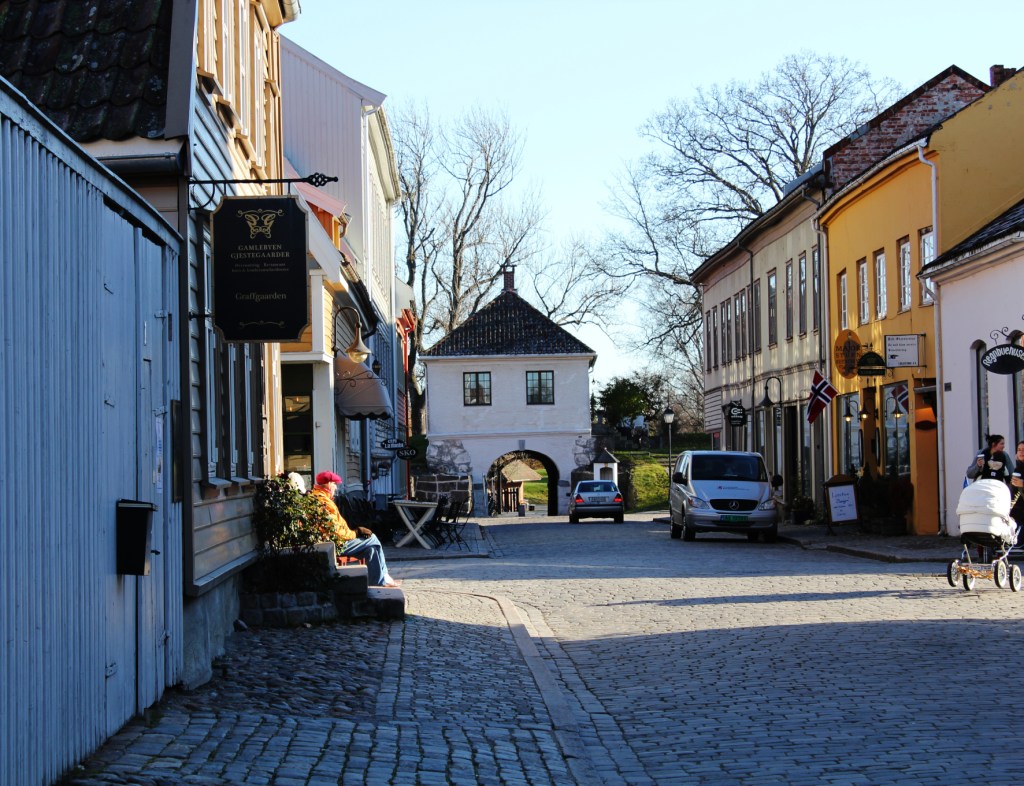
Here I live, and I feel privileged to live here, next to Northern Europe’s best-preserved fortified town. Gamlebyen, as we call old town Fredrikstad.
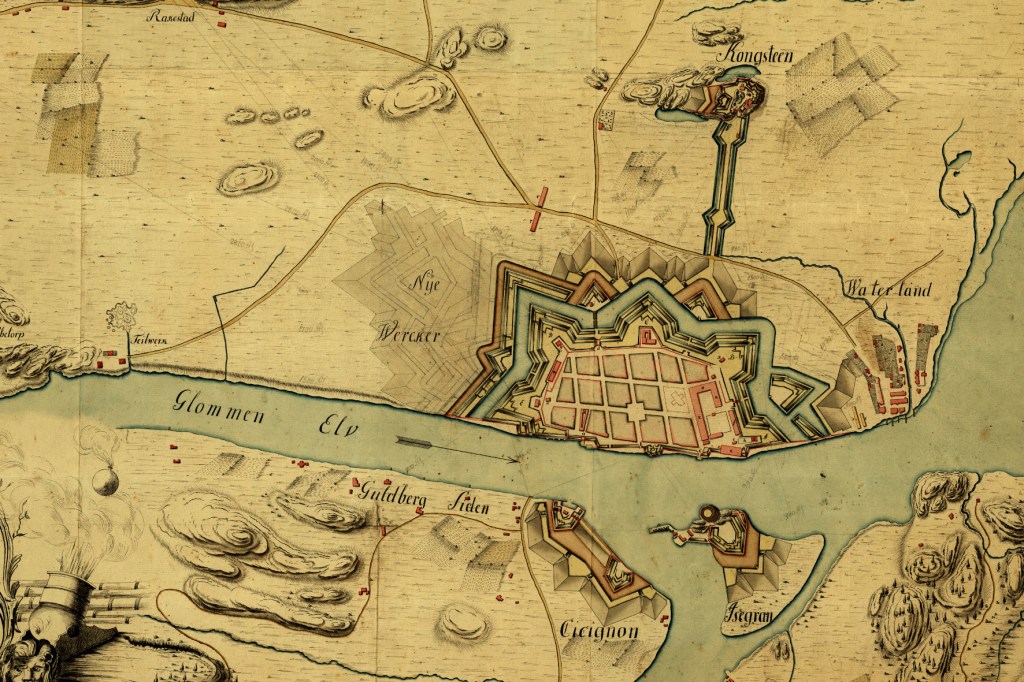
Founded in 1567 by the Danish king Frederick II, this is Norway’s first renaissance town. And it has a strategic location in the delta of Glomma — Norway’s largest river. Not far away from the Oslo fjord, too. Or Sweden, for that sake.
As an author of articles and fiction books, this environment is a gold mine. Hence, I often stroll along these ancient walls. This is an oasis for many artists, and the town has a few galleries and cafes, which are well worth a visit.
The Fortified Bridge and the Glassworks Factory. Photo: Tom ThowsenOld Fredrikstad and Glomma river. Photo: Xalzlos (Wikipedia)Sunset through one of the small gateways. Photo: Tom ThowsenOne of the Portals. Photo: Tom Thowsen
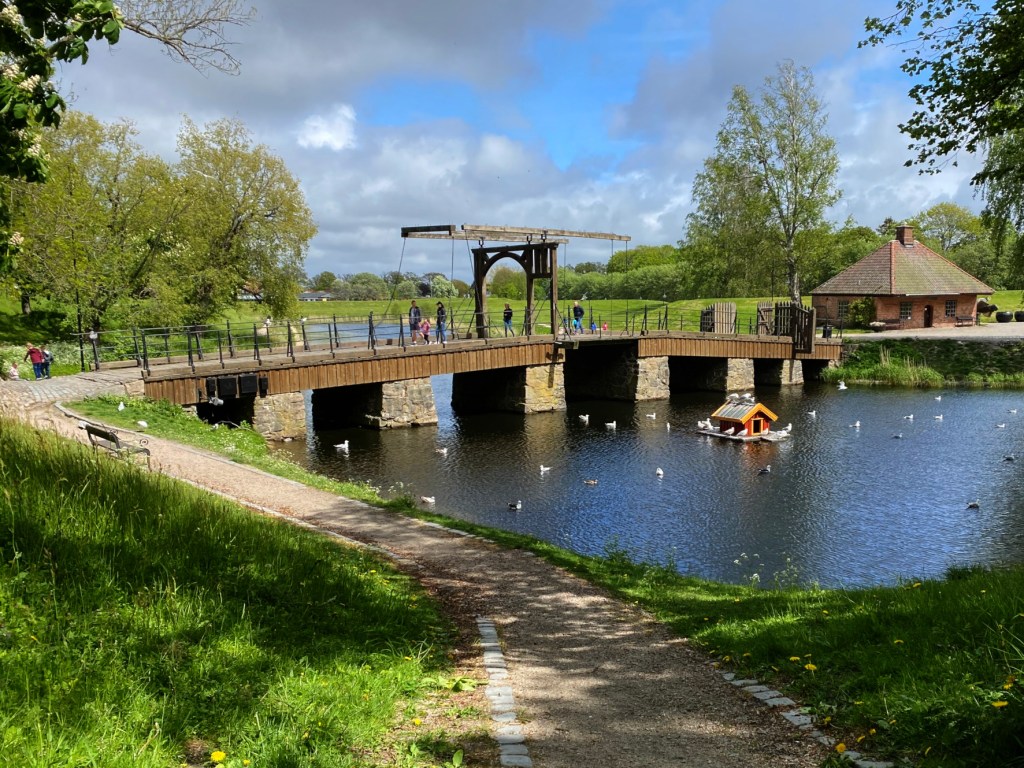
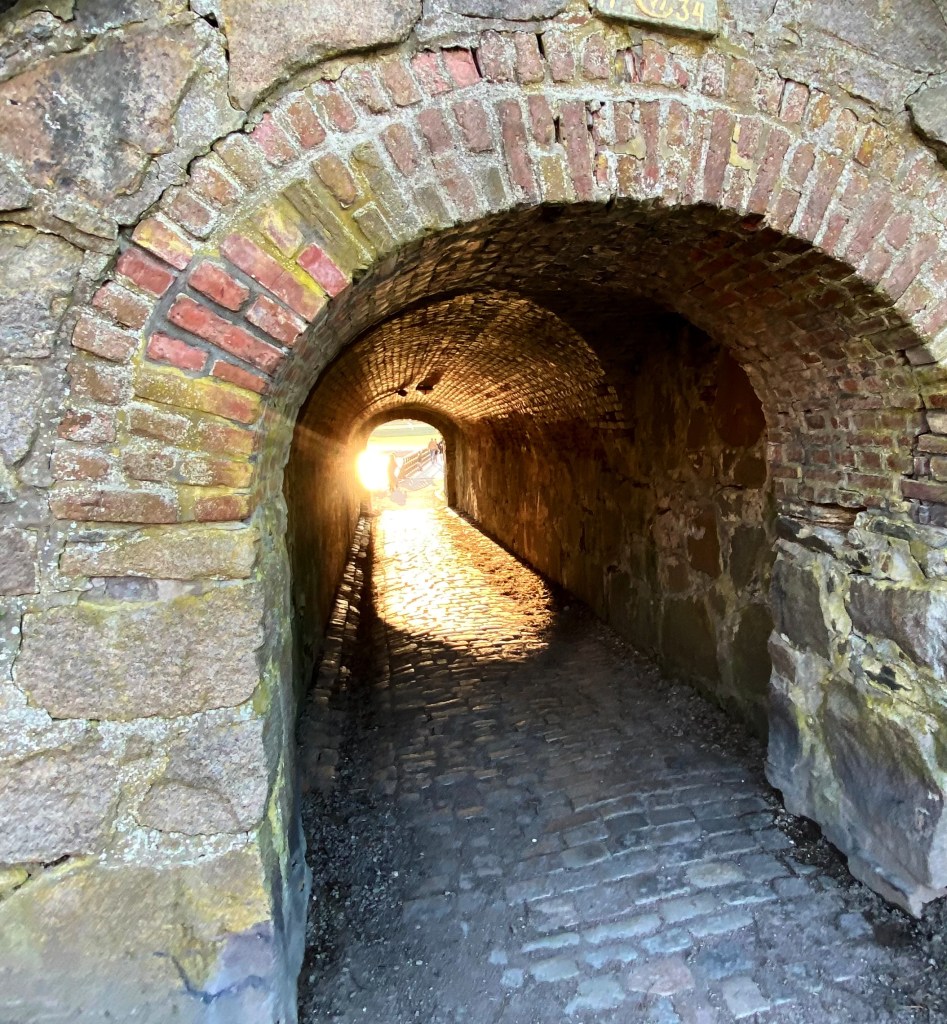
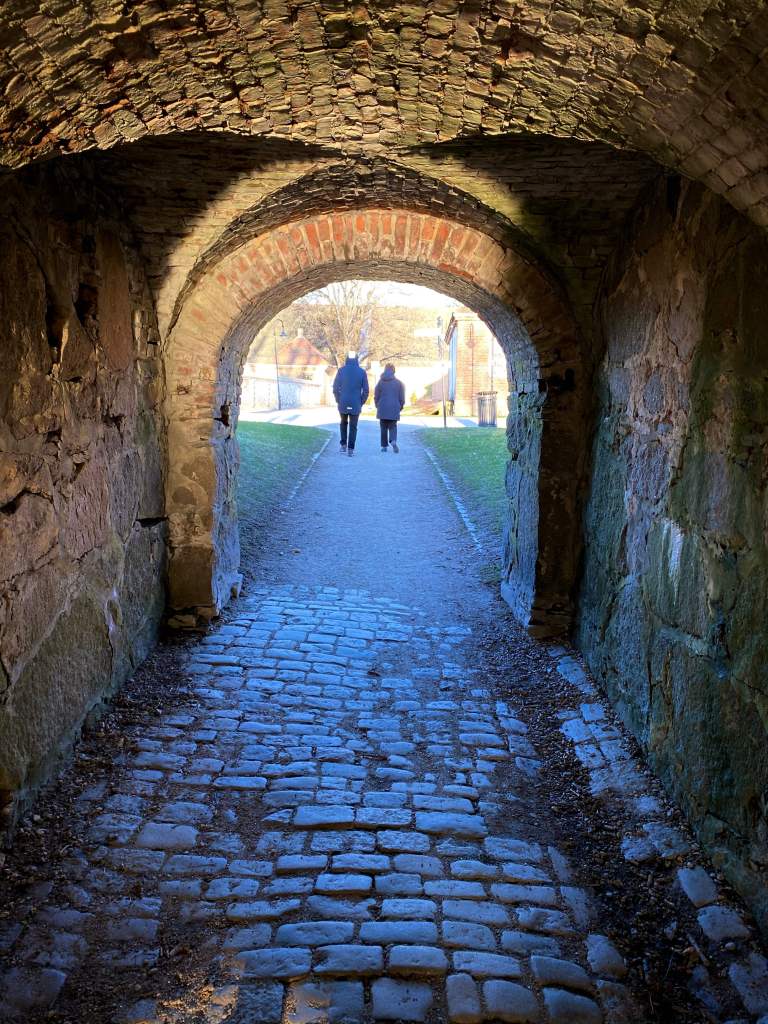
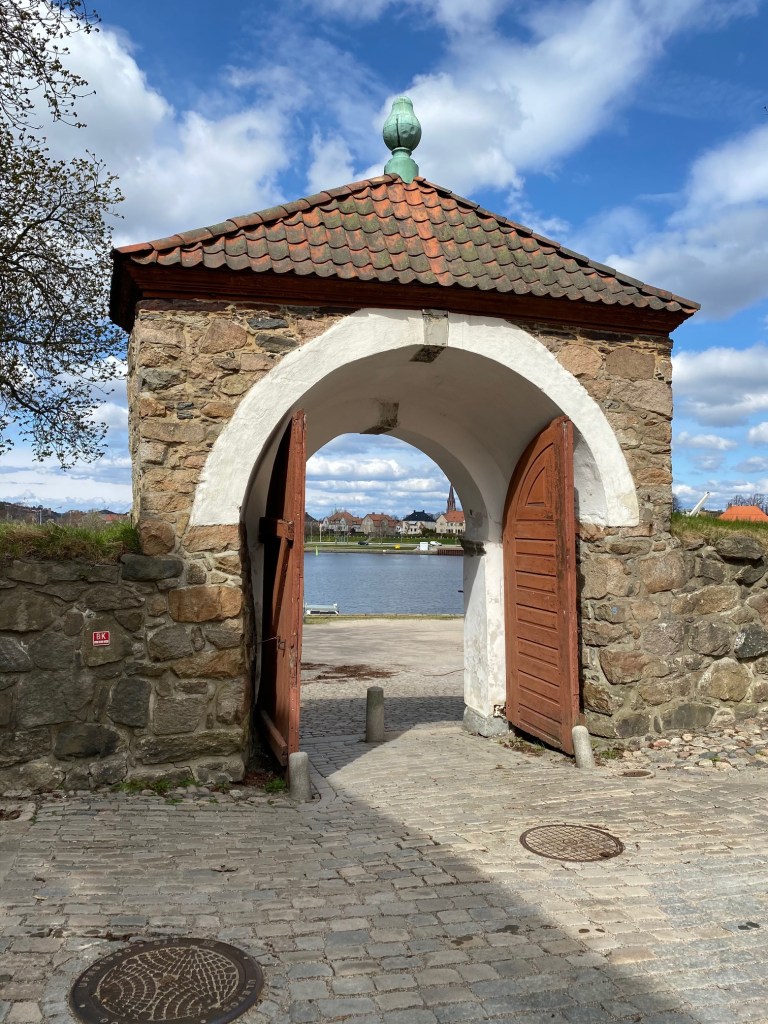
Thick walls of rocks and bricks, dark, narrow gateways, moats, and wooden bridges – once a robust defence system from the past, built after Dutch standards.
A section of a map from 1776Along the walls by the riverside. Photo: Tom ThowsenThe Main Gate. Photo: Tom Thowsen
Fun with literature
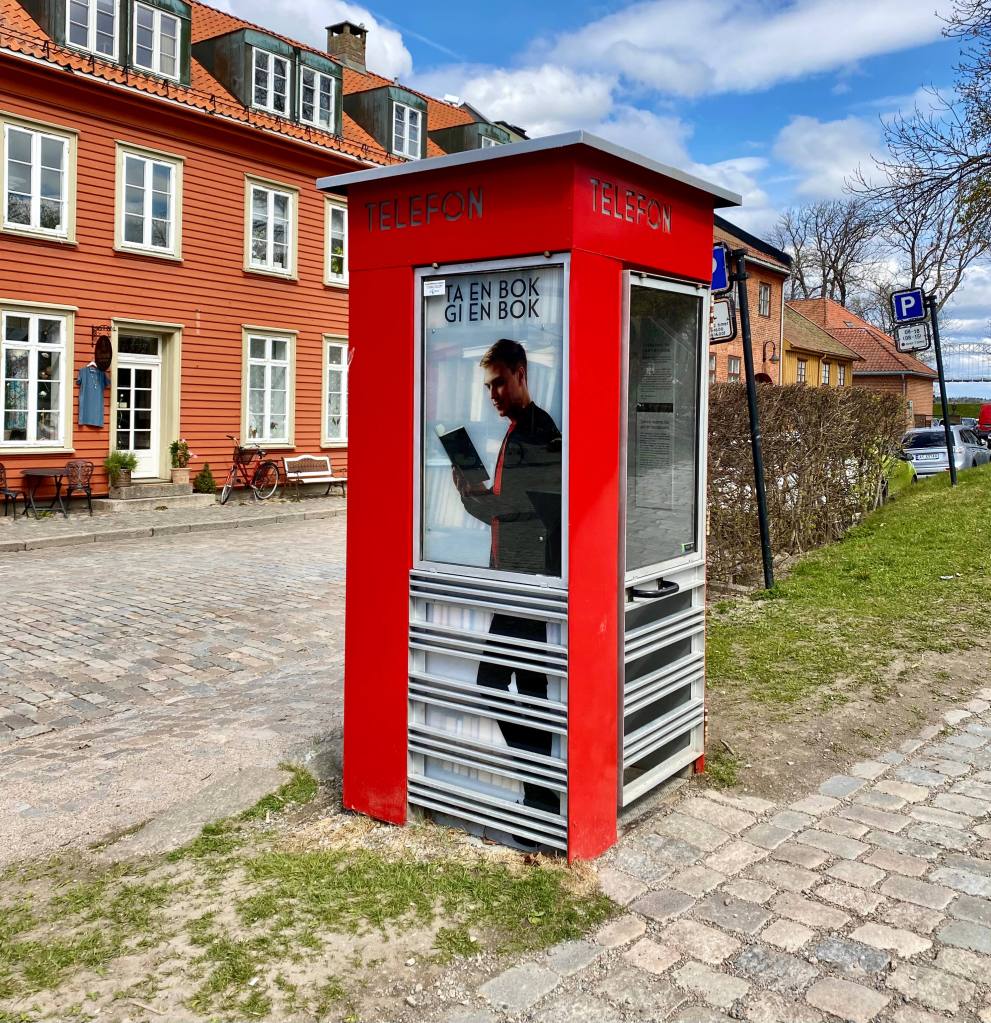
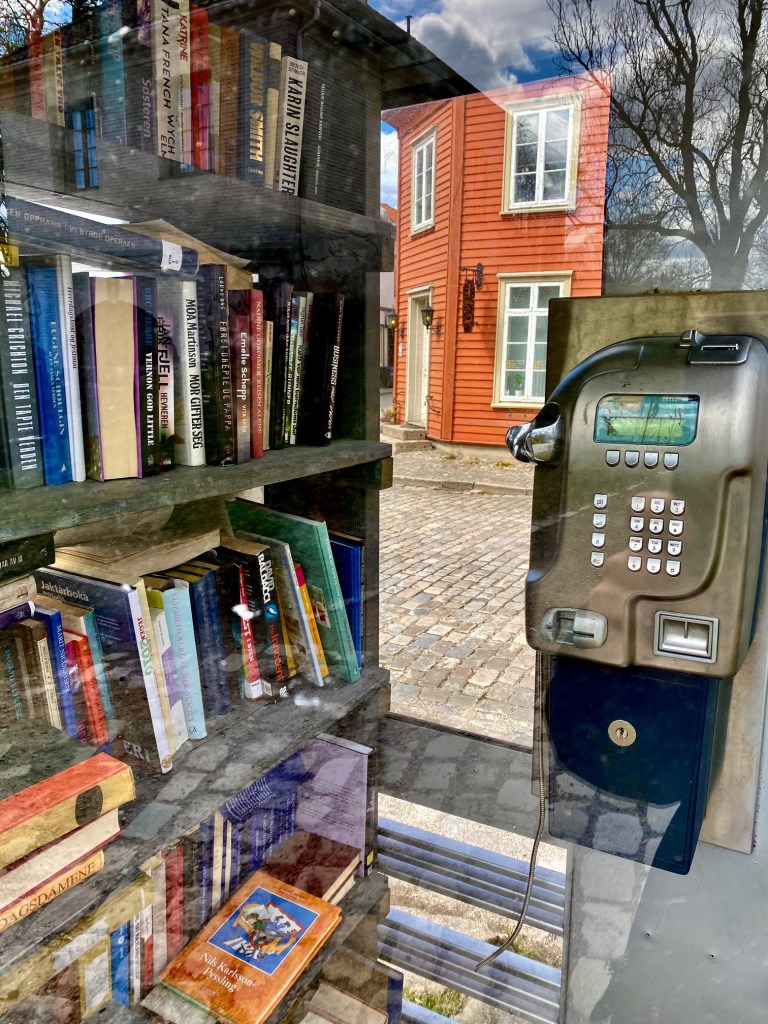
A reused telephone booth where people can change books – the sign says: take a book, give a book. Photo: Tom Thowsen
Since I am an author, I could not resist taking a picture of this funny little thing. Next time, I ensure that it contains at least one of my fiction novels. Perhaps the Sea Lion, where some of the action takes place in this town. During the Napoleonic wars in the 1800s.
Here is the current assortment of books. Photo: Tom Thowsen
More fun
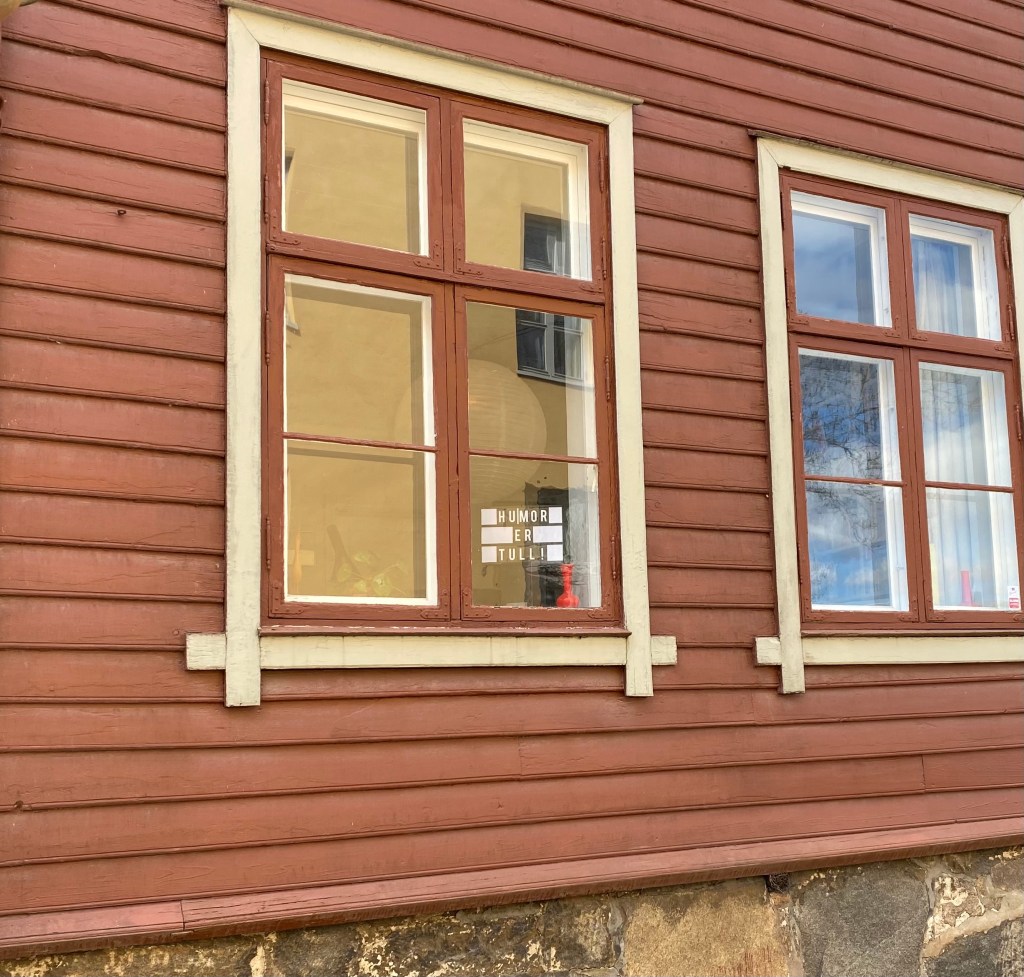
This is a private home where the owner obviously had something to tell you and me. Photo: Tom Thowsen
I do not know precisely what the person meant by this sign. Maybe not to take things too seriously. Humour is nonsense, it says.
Another private home with a creative soul. Photo: Tom Thowsen
Art galleries and cafes
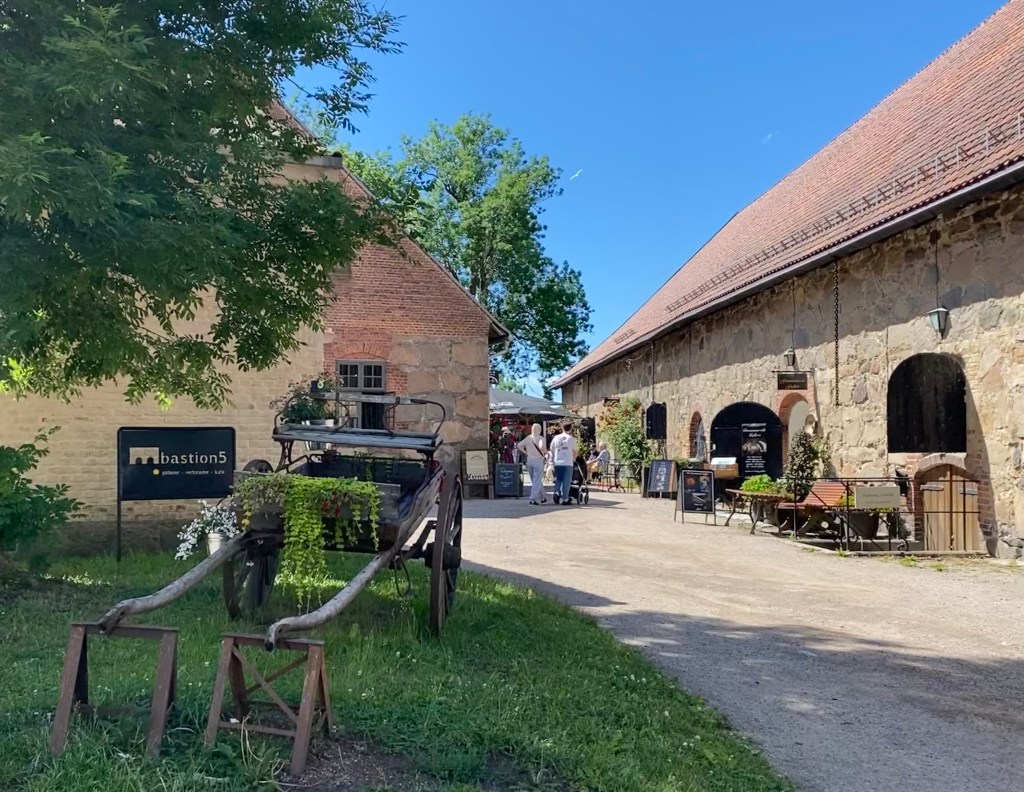
Some of the galleries and cafes. Photo: Tom Thowsen
These old military buildings serve today as art galleries and restaurants. Under normal circumstances, there would be many people here. Sometimes even with musicians entertaining. But this photo was taken in early May when the situation was influenced by the covid-19 restrictions.
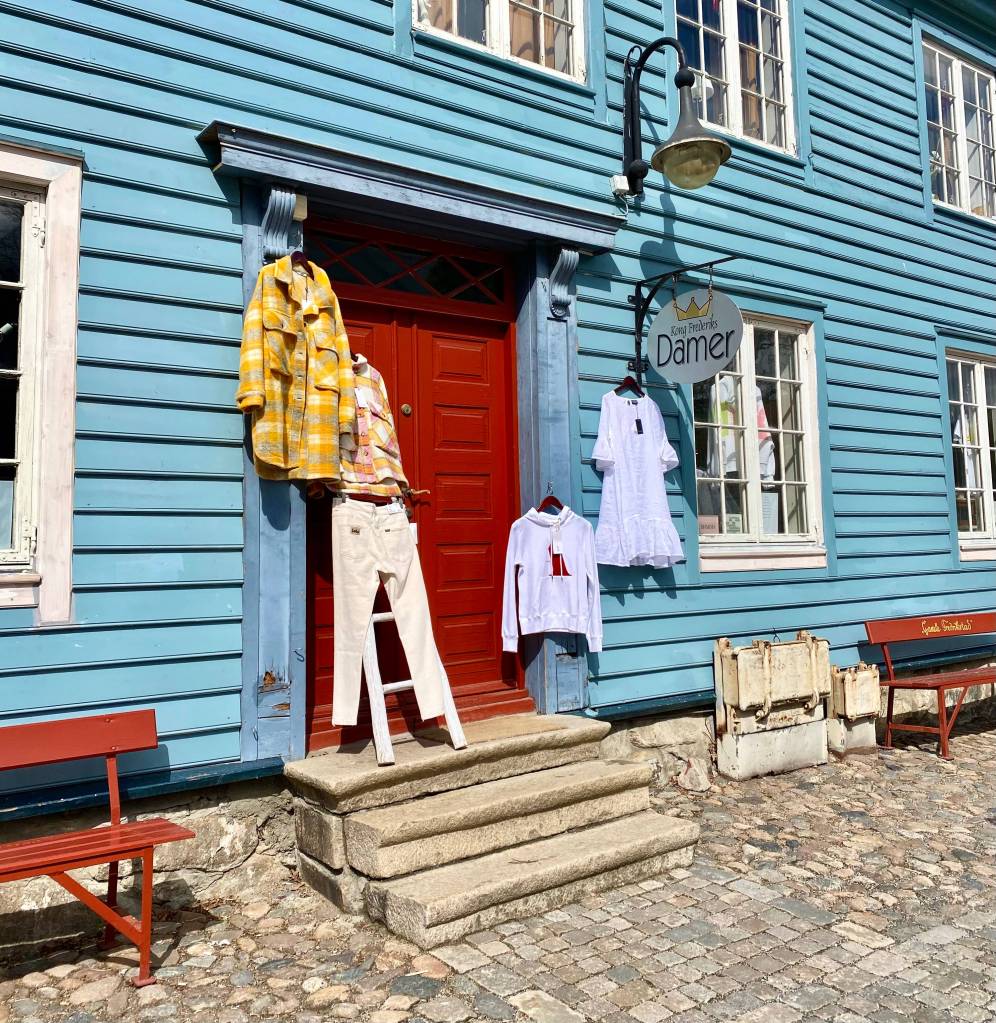
Fancy ceramic art leads to the open door. Photo: Tom Thowsen One of the other galleries. Photo: Tom ThowsenOne of the city’s clothing stores. Photo: Tom Thowsen
Here you can apparently dress like a royal. Kong Fredriks damer, says the sign. King Frederick’s Ladies. Hmm, quite impressive.
The town square. Photo: Tom Thowsen
A statue of King Frederick II, throning high on his pedestal, amid the town square, with a proud expression on his face. That old Dane! We owe him some gratitude and respect, I guess.
Photo: Tom Thowsen
If you get enough of all that old stuff, there’s an easy escape through gates on the riverside. The modern Centre lies on the other side, just a short ferry trip away.
One of the ferries. Photo: Tom Thowsen
The best thing about these ferries is that they are free. They take you right into the modern world in just a few minutes. But I have only shown you a glimpse. There’s so much more.
Thank you so much, and please subscribe if you will join me on another trip.
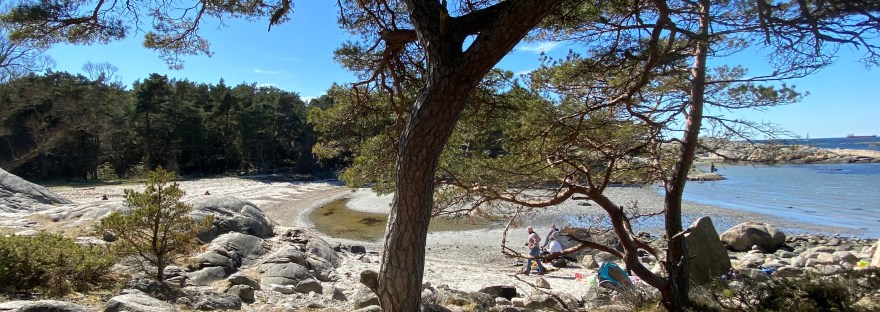
In the shadows of the pines at Storesand beach, you have a fabulous place to put up your tent. Here you can feel the breeze in your hair, you breath clean air. You can smell salty water and seagrass. Listen to the seagulls screaming in the sky—walk along the stony pathways. See the stone Church at Kirkøy, built over foundation stones who possibly stretch back to the Viking age. Back to the time when the Norwegians worshipped Thor and Odin.
Storesand Beach. Photo: Tom Thowsen
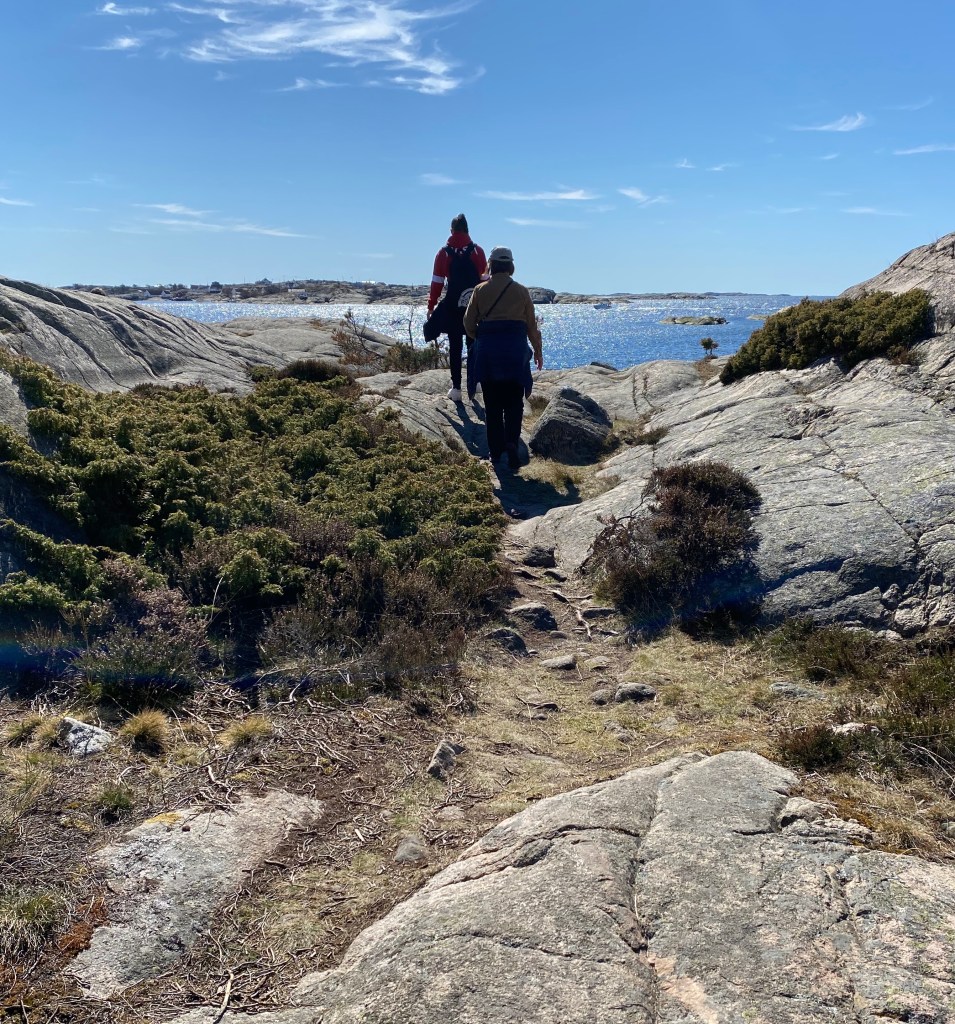
As an author of fiction books, I must get inspired by reality, because my fictional characters are “living” in the real world. Therefore, I sometimes walk in their “footsteps”. In this reportage, I walk at Kirkøy island, where my two main characters Willy Lauer and Raja Romanova talked with each other at the beginning of The Sea Lion. Storesand beach and Hvaler Church.
Hvaler Church. Photo: Tom ThowsenPhoto: Tom ThowsenPhoto: Tom ThowsenView to Lauer. Photo: Tom Thowsen
The young fisherman Willy Lauer “lives” on Lauer island, which is a group of small islands. At these photos, you can see North Lauer, the very island where theCastle lies, Willy’s tiny house.
Homlungen lighthouse, and Lauer island in the background. Photo: Tom Thowsen An old house at Skjærhalden. Photo: Tom Thowsen
The white, wooden house above, is as I imagine, pretty like Willy`s house. But in my imagination his “Castle” is even smaller.
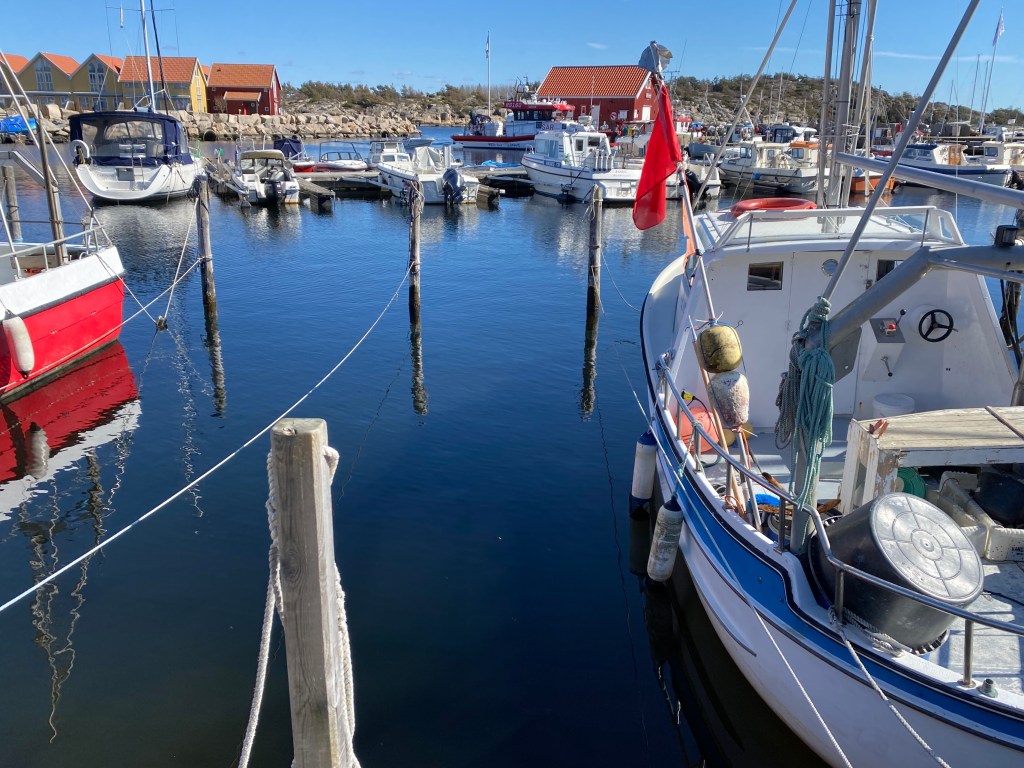
At the pier of Skjærhalden. Photo: Tom ThowsenStoresand Beach. Photo: Tom Thowsen






















 TOM THOWSEN