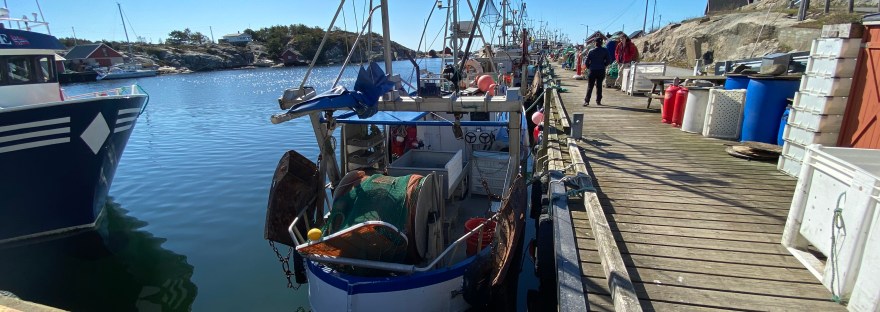
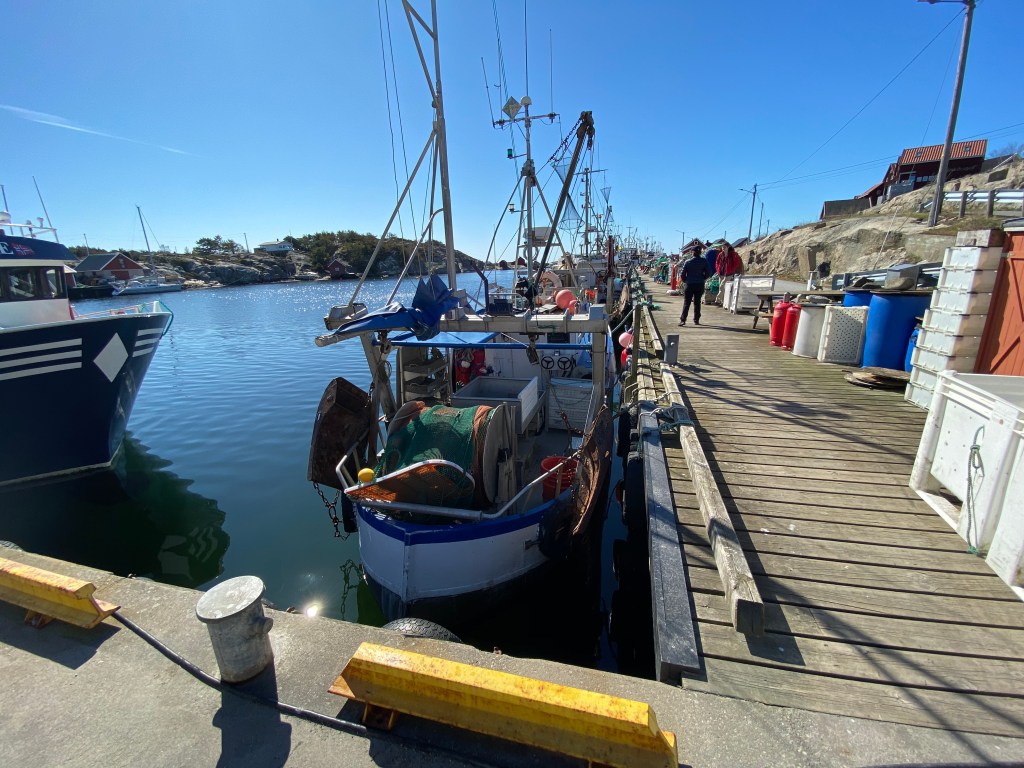
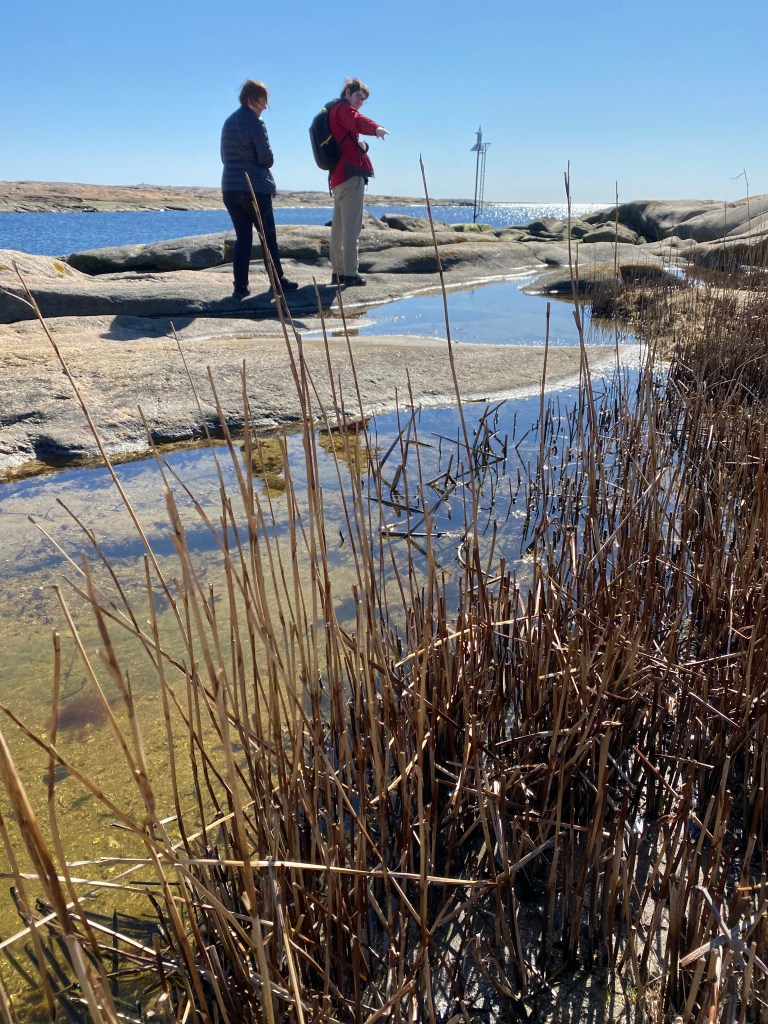
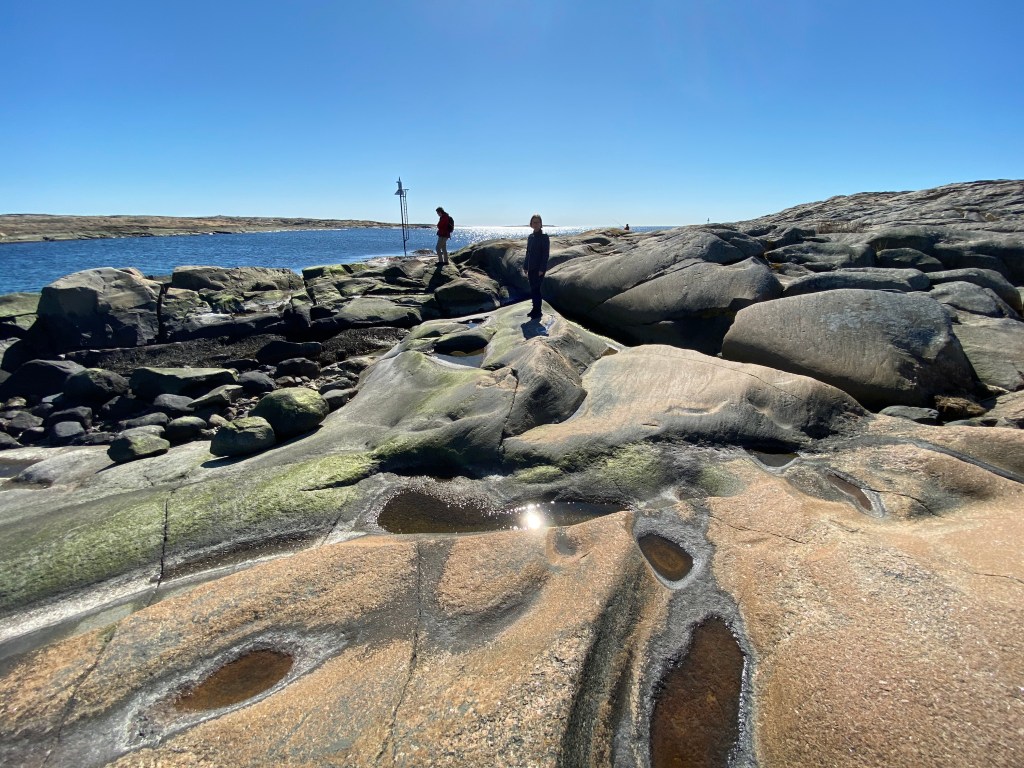
In the Norwegian archipelago of Hvaler, in the fishermen’s outpost at Utgårdskilen, you can wander along the shore. Here you can watch their boats, or you can look at the open sea of Skagerak. See the lighthouse on Torbjørnskjær on the horizon. Take a bath if you want or sunbathe on the cliffs. It’s a beautiful world.
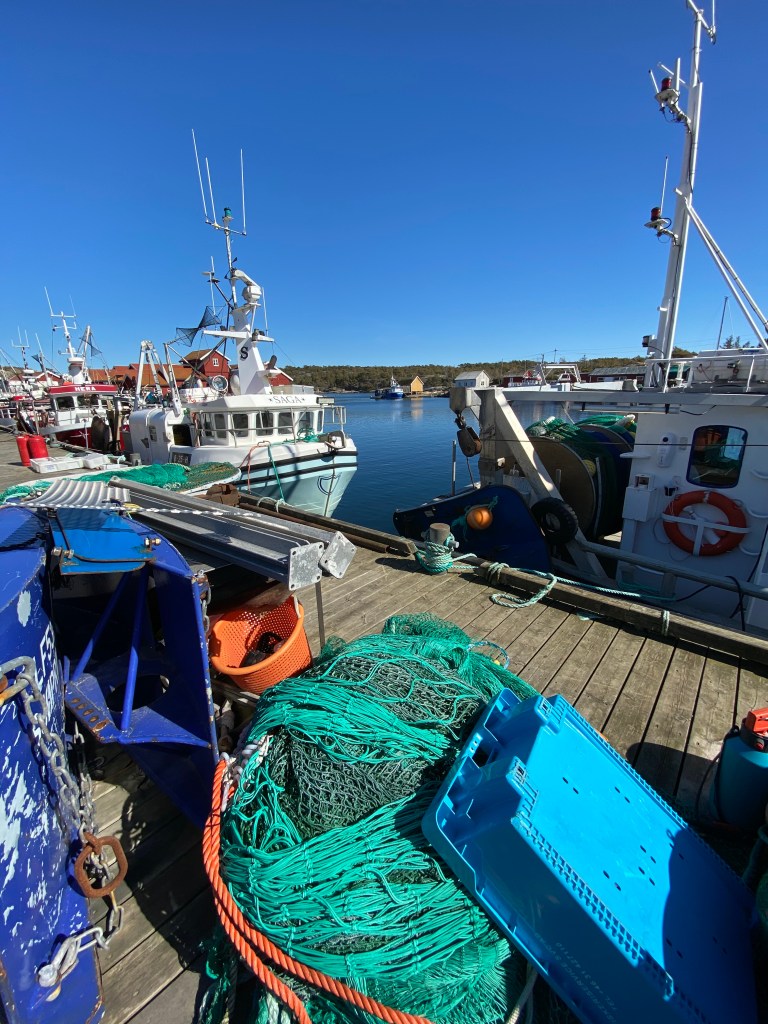
Along the pier at Utgårdskilen, the fisher boats and their equipment lie, ready to take off to the sea. This safe harbour is next to the open ocean, and here they also deliver the Catch. Photo: Tom ThowsenHvaler and Utgårdskilen are situated less than two hours’ drive by car from the capital Oslo. Hence many of the capital’s citizens come here in their spare time. Some even have cabins here, even the royals and the NATO Secretary-General Jens Stoltenberg. It’s well worth a visit if you visit Norway. Photo: Tom ThowsenA sea of shells washed ashore. Photo: Tom ThowsenSmall fishes washed ashore as well, from the strong waves of the ocean, were now swimming in these shallow ponds. Photo: Tom ThowsenPhoto: Tom ThowsenView to Skagerak. In the horizon, you can see these objects lined up from the left: Akerøya, Vesleøya—and the tiny little thing to the right is Torbjørnskjær lighthouse. Photo: Tom ThowsenPhoto: Tom Thowsen
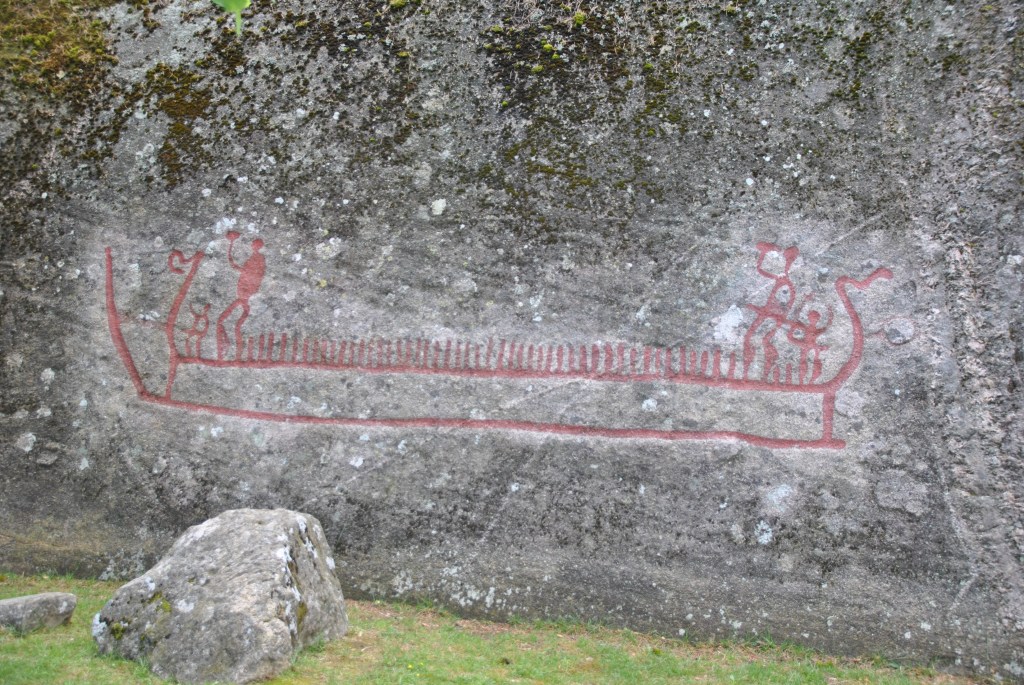
With its 4 x 1,5 meters, this is probably the largest of its kind in Northern Europe. Its location is in South-eastern Norway. Today the rock is lying in the farm fields. At the time the carving was created, around 3000 years ago, this was a coast.
Photo: Thomas M. Hansen
A ship like this was 20 meters long and crewed by 24 warriors. On calm water, it could do 8 knots, 3,5 on the open sea. A crossing from Denmark to Norway could take 18 hours.
At this time, 2000 years before the Vikings, our ancestors had horned helmets. The Vikings had none.
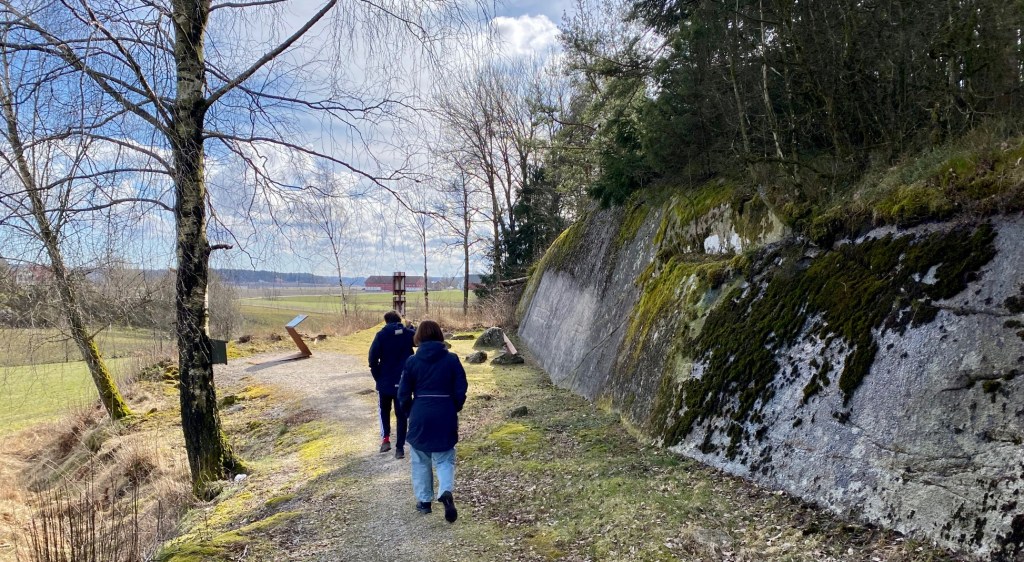
Photo: Tom ThowsenThe farm fields in Skjeberg, in the vicinity of the carving. Three thousand years ago, most of this was beneath the sea. Photo: Tom Thowsen
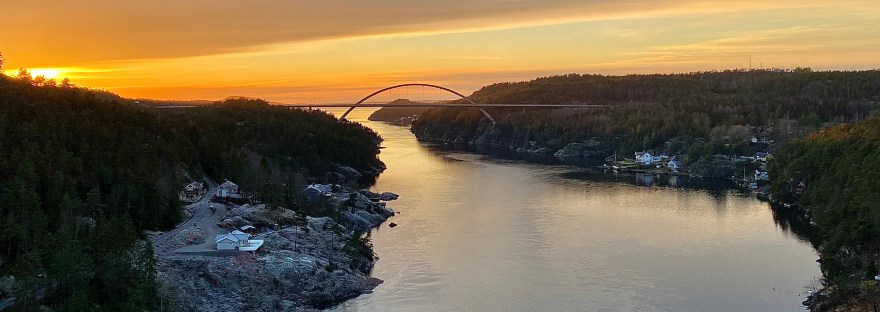
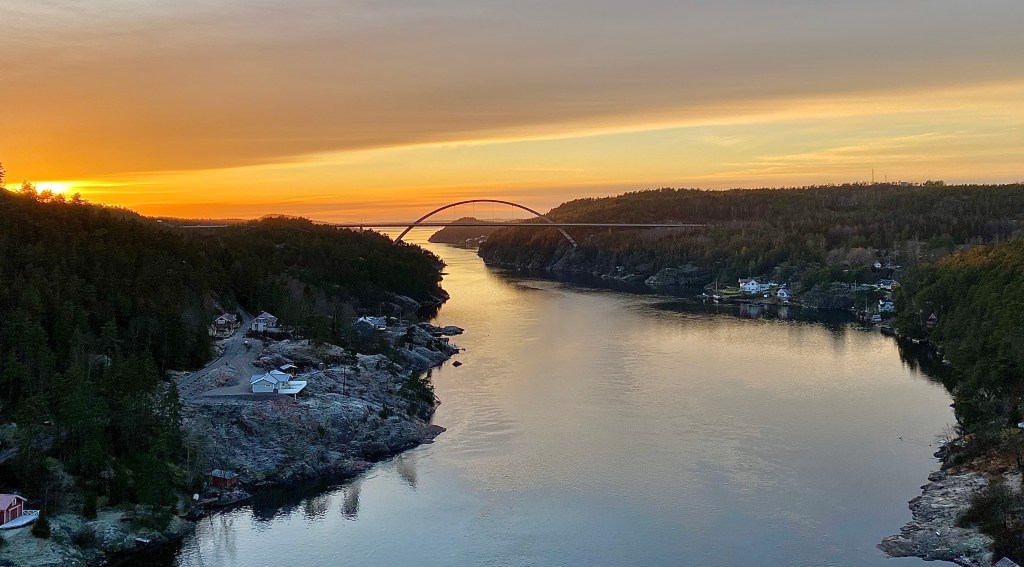
With the low sun angle during wintertime, everything sparkles between the long shadows. Warm, beautiful colours against the cold ones. Here are some impressions from Svinesund, in the borderland towards Sweden, where two bridges span the Ringdalsfjord. The old and new Svinesund Bridge. Norway’s most south-eastern crossing point to Sweden and the European Union.
January 2020 has been quite warm all over Norway, and here in the Svinesund area, as for most of the coastal parts of the land, the snow is almost absent this winter. Day temperatures around five degrees Celsius. This has fooled nature to believe the spring has come. Hepatica and Coltsfoot blossoms. Butterfly larvae and flies has been seen, too.
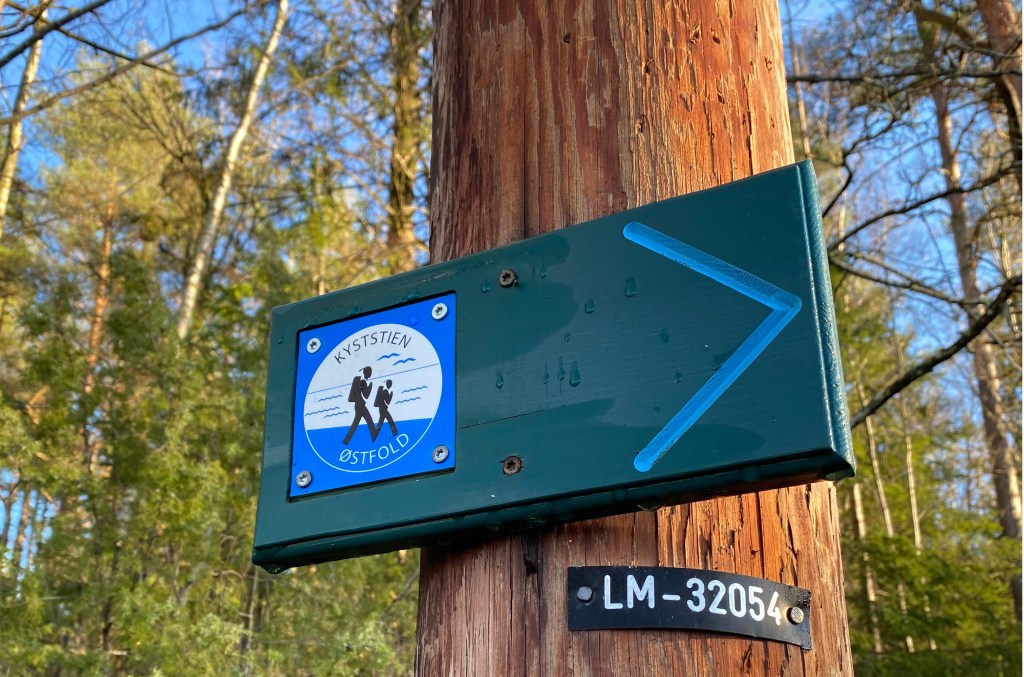
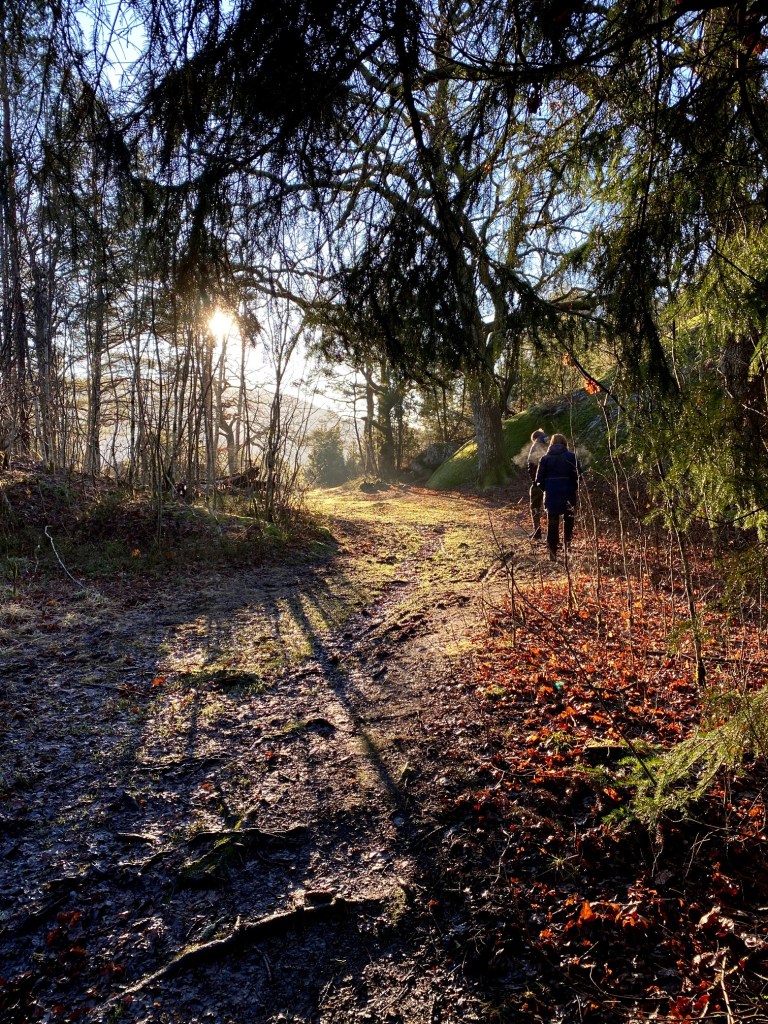
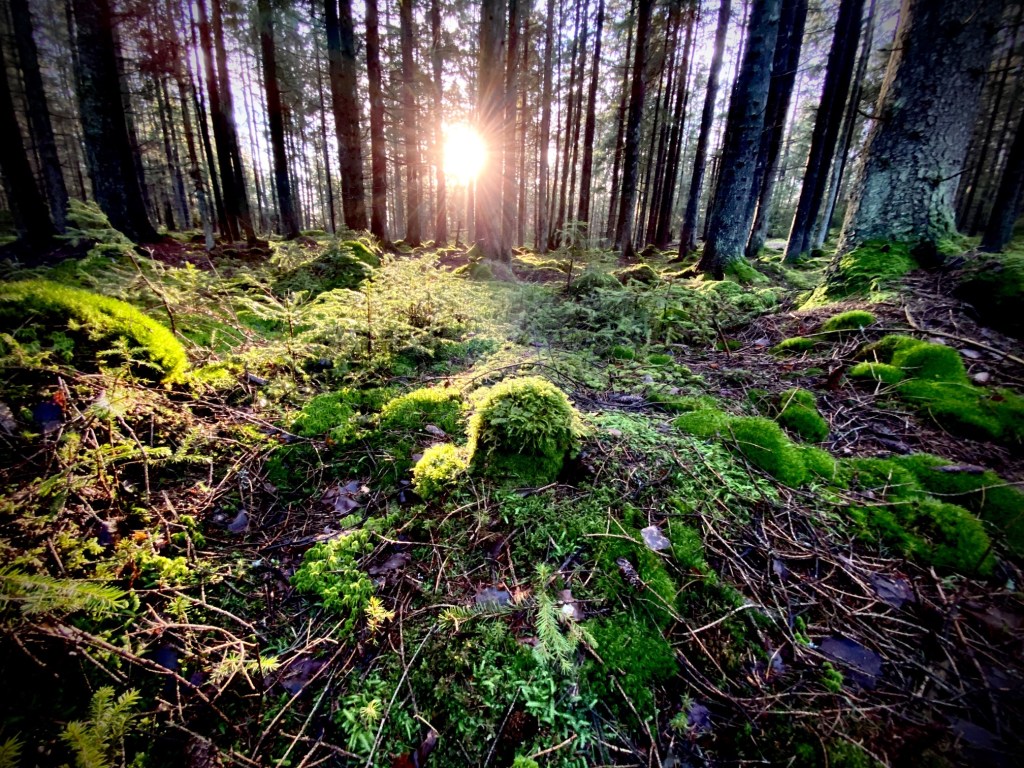
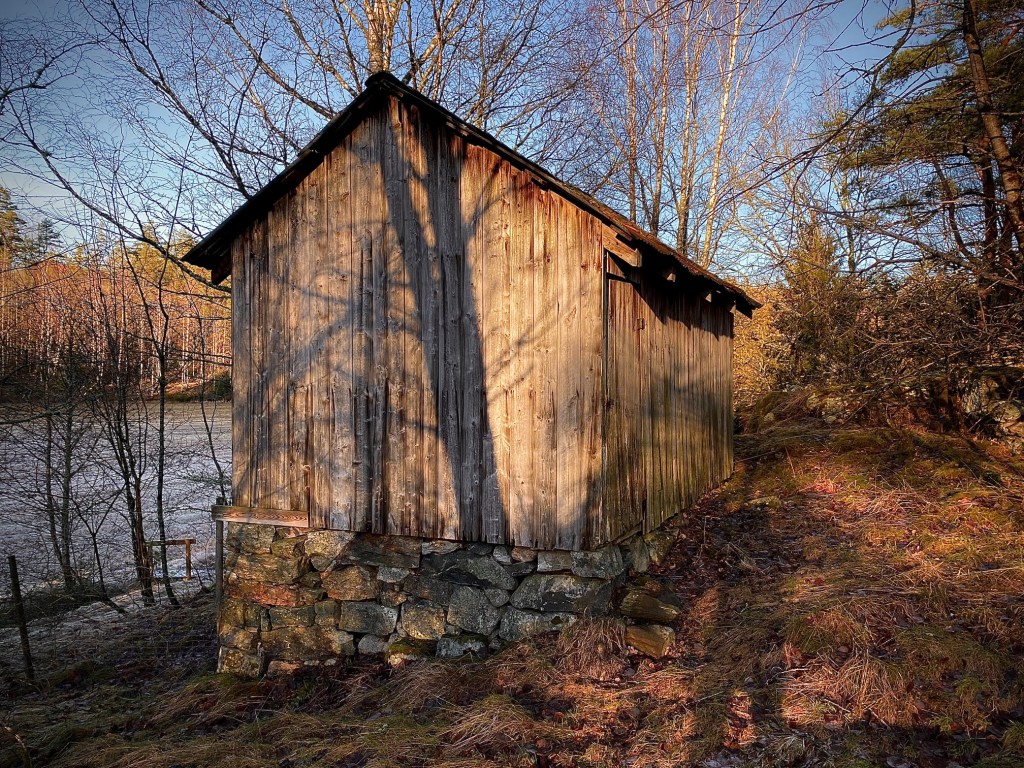
Here is the view from the old Svinesund Bridge, towards the new bridge. In Sweden, on the left side, they call this fjord Idefjorden. In Norway its Ringdalsfjorden. Behind the new bridge, far out in the horizon, lies the archipelago of Hvaler. Photo: Tom ThowsenThere`s a marked trail along the Ringdalsfjord where you can walk for hours in the mountains and the forests. Photo: Tom ThowsenHere is a view over the Ringdalsfjord. Halden town lies hidden behind the hills on the left side. Photo: Tom ThowsenBright moss. Photo: Tom ThowsenA shady shed. Photo: Tom ThowsenHere is a narrow road between the cliffs. In the background, you can see a glimpse of Berg farm fields, not far away from where they found the Gjellestad Viking Ship. Photo: Tom ThowsenThese frozen fields at Isebakke are Norwegian. The hills in the background are Swedish. Photo: Tom Thowsen
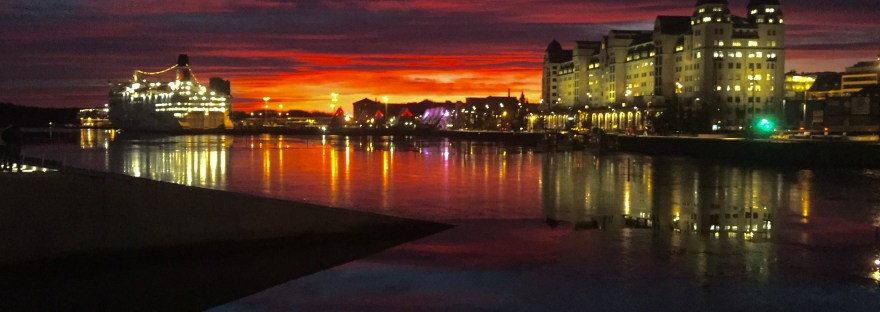
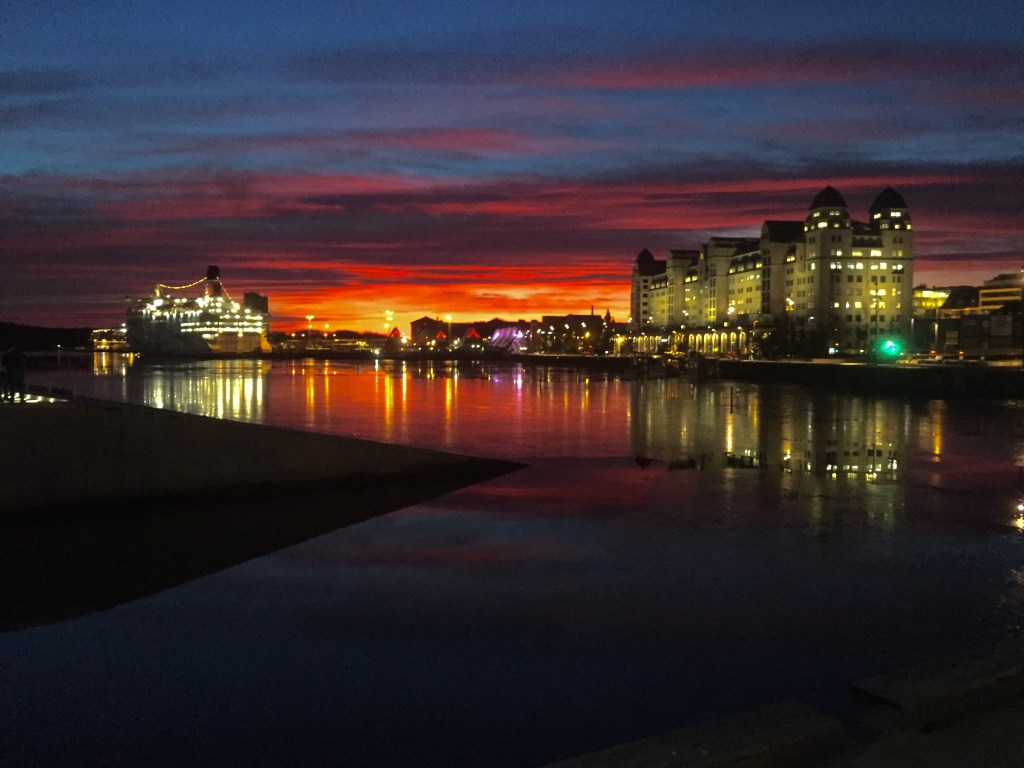
Oslo at sunset January 31, 2019. Photo: Tom Thowsen
New Year`s eve in Oslo can be stunning. It can be almost magical, even though you leave before the rockets. Since Norway lies so far north, the sunsets are awe-inspiring in the winter. With or without snow, perhaps even more without snow, when It`s dark around you.
On the harborside, where there are few cars, it’s quite relaxing to stroll around and look at the people and the various architecture, from the Akershus Castle to the Oslo Opera House. And everything in between.
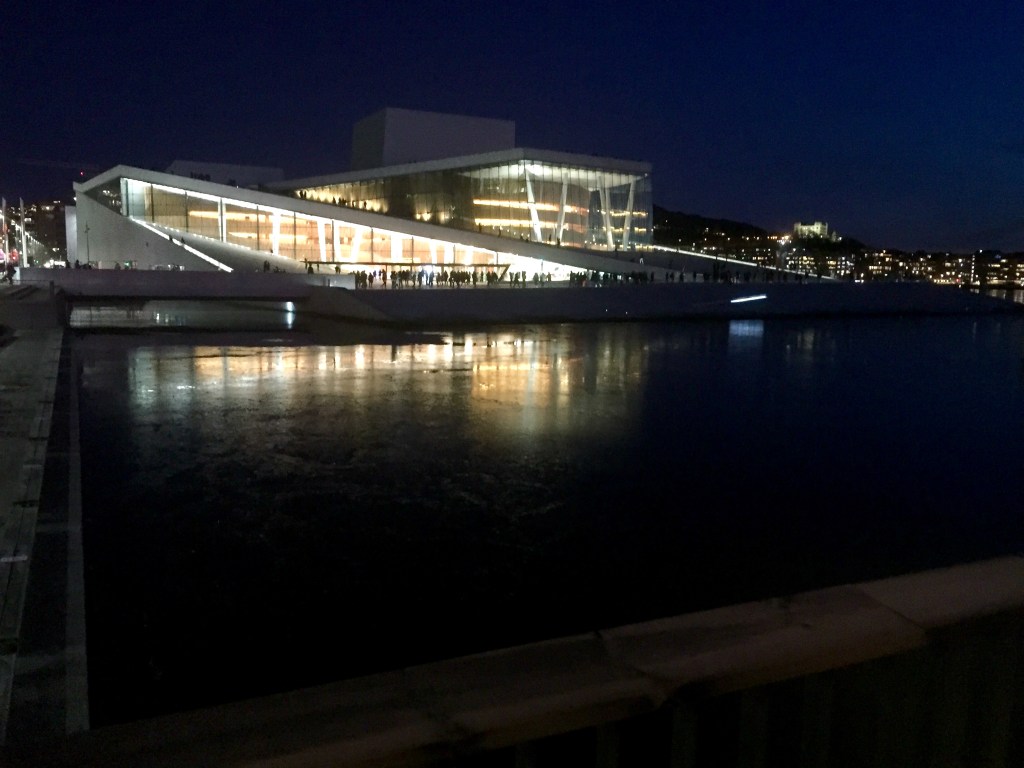
The Oslo Opera House. Photo: Tom Thowsen
The Opera House is a highly recommended place to visit. Both its exterior and interior is distinctive, and you can view it from different angles. Or watch the opera performance as well.
View from inside the opera house. Photo: Tom ThowsenThe stage. Photo: Tom Thowsen
Due to the Gulf Stream, and the climate changes in general, the winter is often mild in the coastal parts of Norway. In Oslo, it`s not highly unusual to have almost no snow in the centrum, and perfect ski conditions on the hills. But the warmest temperature at the beginning of 2020 was measured on the west coast of Norway.
The newspapers reported it was 19 degrees Celsius in Sunndalsøra on Thursday 2 January 2020.
As you see, coastal Norway can be warm in the winter, and some climate experts predict that the temperatures will rise in the years to come. Only time will show. Anyway, this was a glimpse of Norway at the beginning of 2020.
In October 2019, when it was cold and rainy in Norway, I took a plane from the Swedish town of Gothenburg and followed the birds. I travelled southwards to the Mediterranean Sea to feel the wings of history and be inspired. My destination was Malta.
For a long time, I’ve wanted to visit this small land, consisting of a group of islands, which is a part of the European Union. Especially the knights have triggered my imagination when I read about their heroic actions.
But when I saw Valletta for the first time with my own eyes, the capital that was founded by these furious fighters, I was thrilled. It is so beautiful, almost magical. A huge fortification of golden sandstone where the yellowish colour fits nicely with the deep blue sea like a sandcastle on the beach.
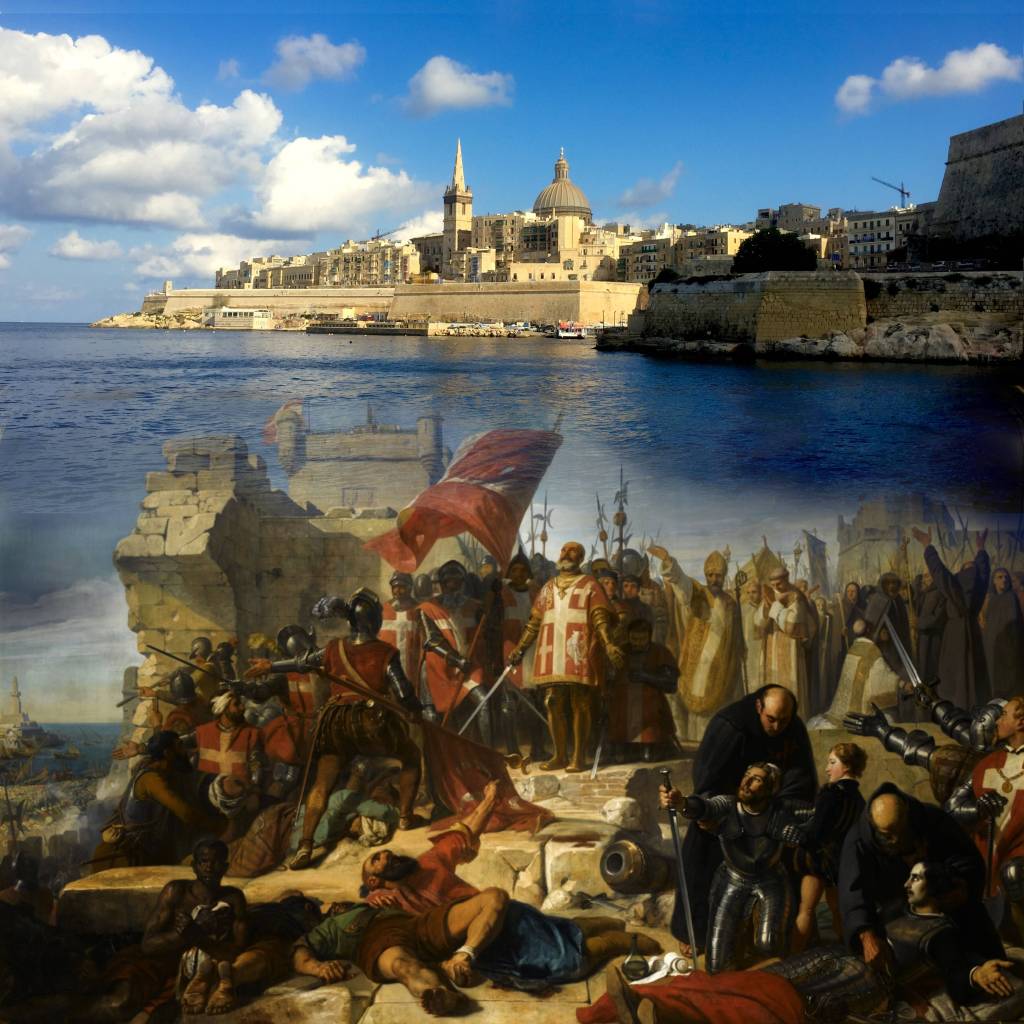
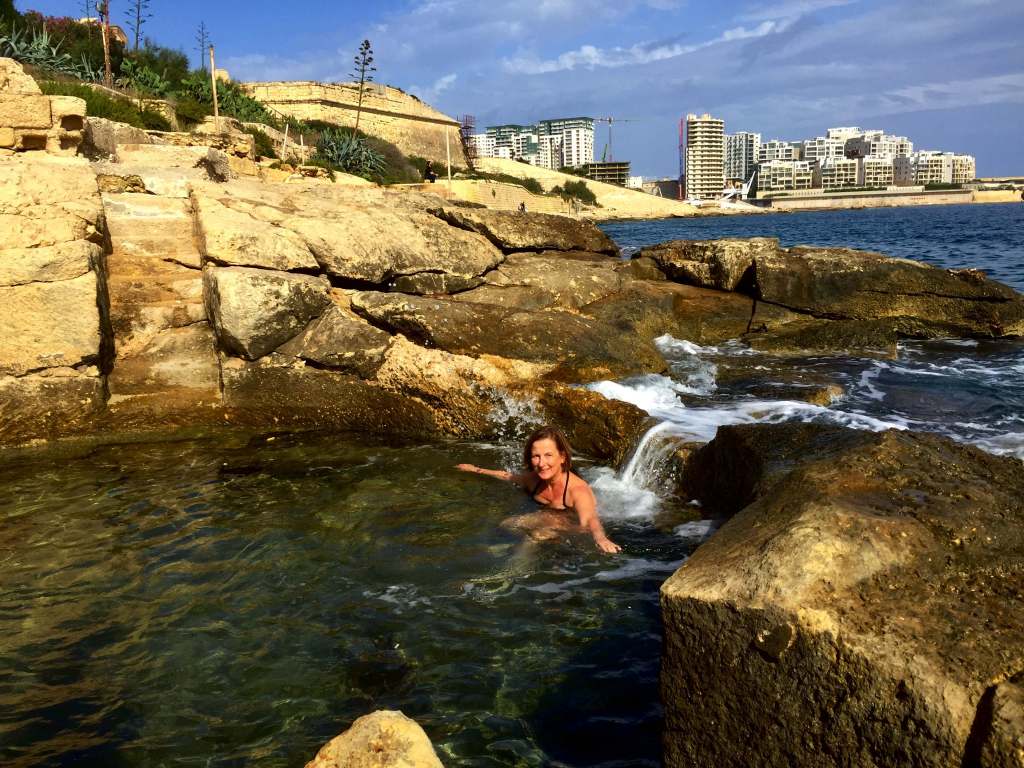
As we strolled along the waterside, my wife couldn’t resist a bath in the dug-out pools in the bedrock. Then a flashback from the beaches of Normandy came into my mind. The same paradox. The perfect idyll in what once had been a battlefield, just like the collage I made at the top of this article. Present-day Valletta vs Valletta in 1565. Peace can never be taken for granted …
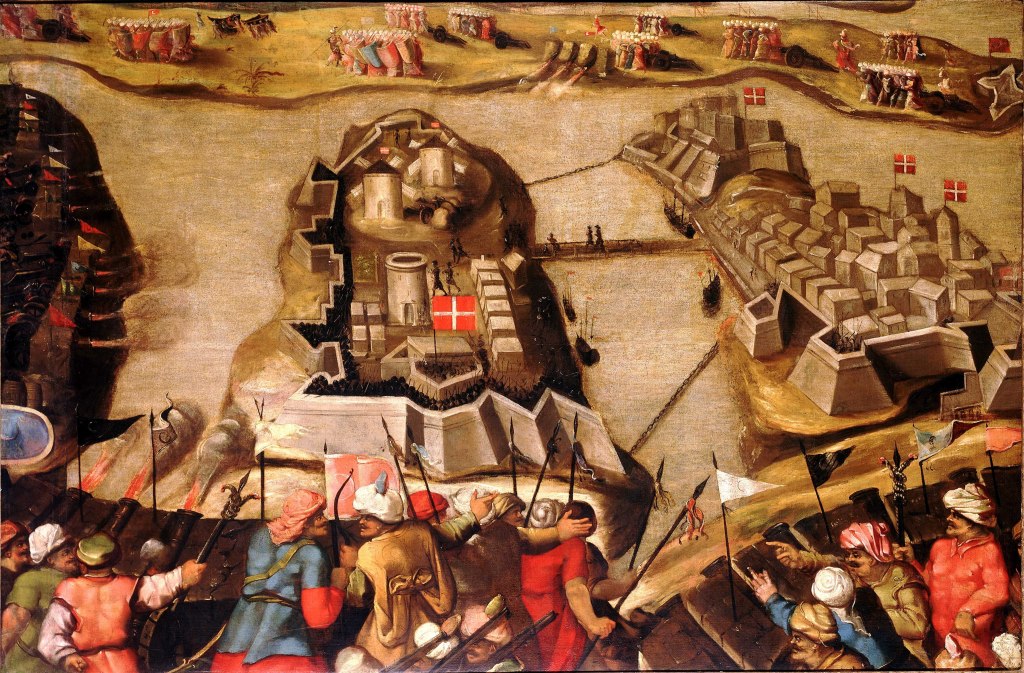
The Great Siege of Malta, 1565
Please take a careful look at the painting above. The peninsula at the top is where the capital Valletta lies today. At that time there was no town there, just Fort Elmo on the right tip. From the left in the middle, the fortresses St Michael and St Angelo, where the harbour is blocked with chains on both sides. The Grand Master Jean Parisot de Valette, the leader of the Knights Hospitaller of Malta, had made a lot of preparations before the Ottoman invasion fleet came. He even harvested all the crops and poisoned the wells on these islands, where there is no rivers or lakes, and where it barely rains.
An Ottoman armada of approximately 200 ships arrived on 18 May. The next day they set their foot on land, and the invasion began. It was an uneven situation. The Ottomans had somewhere around 30,000 – 40,000 soldiers. The Grand Master had only 6,100 soldiers, or 9,000 with civilian help, to fight the Ottomans.
Soon the three fortresses were surrounded, and they came under heavy
cannon fire. In the beginning, the Ottomans focused on the easiest target. Fort
St Elmo, whom they expected to take in a few days. But Fort St Elmo withstood
many attacks before it fell, one month later. It costed the Ottomans 6,000 men.
The defenders 1,500.
This was a nasty and merciless war. Lots of captured Christians were
crucified by the Muslims, and the knights at the fortresses, St Michael and St
Angelo, replied with beheading their captured Muslims and shooting their heads
back at the invaders with their canons.
3 months, 3 weeks and 3 days after the invasion began — and the Ottomans
had launched some 130,000 cannonballs at the 3 fortresses — they were finally
defeated by the knights and the brave Maltese civilians.
The Ottomans lost around 25,000 of their men. The Knights lost a third
of their number, and Malta lost a third of their inhabitants. This victory gave
courage to knights all over Europe for decades. The Ottomans was not
undefeatable. Afterwards, some even believe this battle prevented the whole of
Europe to fall under Islam, I don`t know. But, however, this was a major victory
anyway. A mission impossible, like David against Goliath.
My son and me at Fort St Elmo, the canon is from the late 19th century.
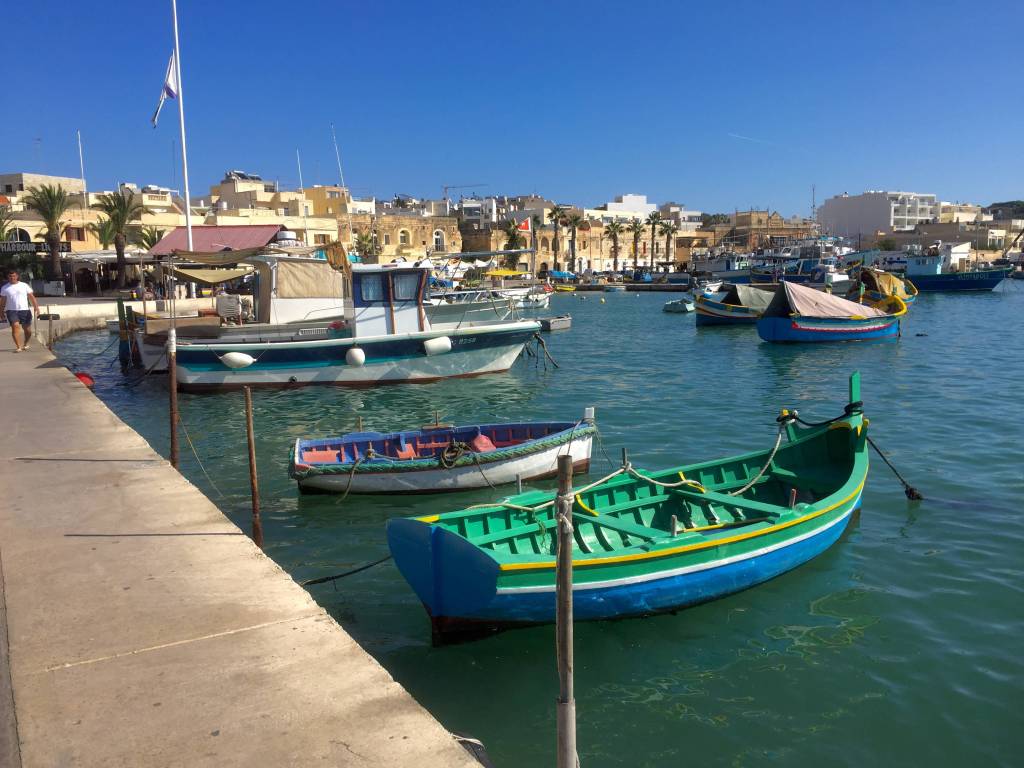
We also travelled around the island with the hop on hop off tourist busses, and this is from the small fishing village Marsaxlok.
Mellieħa, one of Malta’s few beaches. Please, note the old watchtower on the rock. These are spread all around the coast.
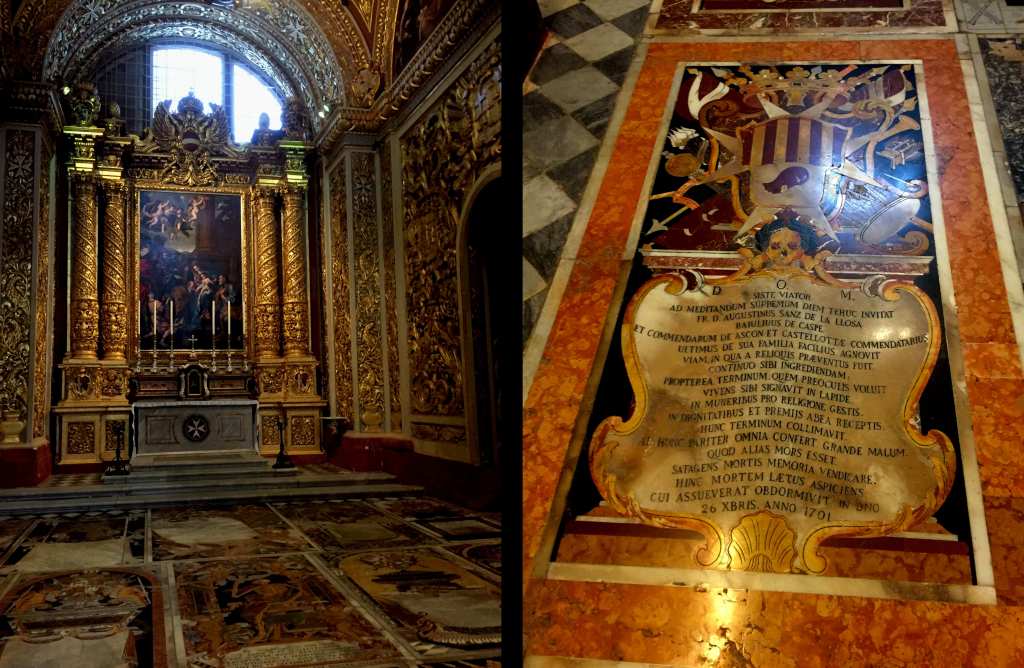
New and old side by side.Grave slabes
The Knights who fell during the Great Siege of 1565 are buried inside the Cathedral of St. John’s, in Valetta. The Order continued to guard Malta and much of the Mediterranean Sea against Ottomans and Berber pirates. They stayed until their stronghold of Malta was captured by Napoleon in 1798 during his expedition to Egypt.
PS. As a little digression. This is another interesting era, the Napoleonic Wars, which I also use in my Historical Fiction books — The Sea Lion, Willy Lauer Series — Okay, back on track.
Napoleon, however, wanted his ships to be allowed to enter the port and to take on water and supplies. The Grand Master replied that only two foreign ships could be allowed to enter the port at a time. Napoleon knew that this would take too much time, and it would leave his forces vulnerable to Admiral Nelson. Therefore, he ordered immediately a cannon fusillade against Malta. The French soldiers disembarked at seven points on the morning of 11 June and attacked. After several hours of fierce fighting, the Maltese in the west were forced to surrender. Napoleon opened negotiations with the fortress capital of Valletta. Faced with vastly superior French forces and the loss of western Malta, the Grand Master decided to surrender. He resigned as Grand Master on 6 July 1799. The knights were dispersed, but the order continued to exist in a weakened form and negotiated with European governments for a return to power, which they never achieved as in their glory days. Today, many organizations claim that they originate from the Knights Hospitaller. There is something fascinating about knights, isn’t it? In my novel, Kayaweta, I write about mediaeval knights in America …















 TOM THOWSEN